

By Jolomi Igiehon
Guest Health Writer

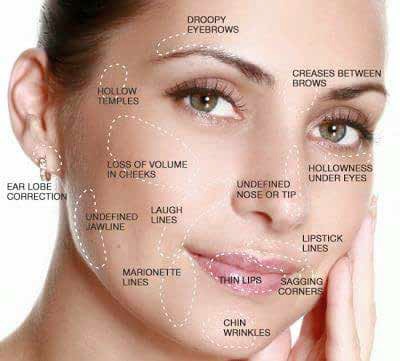
Aging is a natural part of life, and one of the earliest and most visible indicators of this process appears on our skin in the form of fine lines and wrinkles. These small creases, often first noticed around the eyes, mouth, and forehead, are not just cosmetic concerns—they are a reflection of deeper changes occurring beneath the surface of the skin. Understanding what causes fine lines and wrinkles, how they progress, and what can be done to manage them is key to maintaining healthy and vibrant skin as you grow older.
What Are Fine Lines and Wrinkles?
Fine lines are shallow, surface-level creases that often begin to appear in one’s late twenties or early thirties. They are typically most visible in areas of facial expression, such as around the eyes (crow’s feet), mouth (laugh lines), and between the eyebrows (frown lines). As we age, these fine lines can deepen and evolve into more pronounced wrinkles, which are deeper-set lines that often require more intensive treatment to manage or reduce.
While they are a completely normal aspect of the aging process, fine lines and wrinkles can be exacerbated by lifestyle factors and environmental exposure. Sun damage, smoking, poor nutrition, lack of sleep, and repetitive facial expressions all contribute to their formation and development.
The Science Behind Skin Aging
The human skin is made up of three layers: the epidermis (outer layer), dermis (middle layer), and hypodermis (inner layer). As we age, the skin’s ability to regenerate slows down. Collagen, the protein responsible for skin strength and structure, and elastin, which provides elasticity, both decline with age. As a result, the skin becomes thinner, drier, and less resilient.
Additionally, the production of natural oils decreases, leading to dryness that can make fine lines more noticeable. The loss of fat in the deeper layers of the skin, especially in the cheeks and under the eyes, also contributes to a more hollow, sagging appearance, further emphasizing wrinkles.

Common Triggers and Risk Factors
While genetics play a significant role in how your skin ages, several external factors can accelerate the development of fine lines and wrinkles:
-
Sun Exposure (Photoaging): Ultraviolet (UV) rays break down collagen and elastin fibers in the skin, leading to premature aging. This is the single most preventable cause of wrinkles.
-
Smoking: Tobacco smoke contains toxins that reduce blood flow to the skin and deplete oxygen and nutrients, speeding up wrinkle formation.
-
Facial Expressions: Repeated muscle contractions from smiling, frowning, or squinting can lead to permanent fine lines over time.
-
Poor Diet: A lack of antioxidants and hydration in your diet can affect skin repair and elasticity.
-
Sleep Position: Sleeping on your side or stomach can cause compression lines, particularly on the cheeks and chin, that may become permanent over time.
Prevention and Treatment Options
While aging cannot be stopped, there are ways to minimize the appearance of fine lines and wrinkles and slow their progression:
1. Skincare Routine
Using products that include retinoids, hyaluronic acid, peptides, and antioxidants like vitamin C can help stimulate collagen production and improve skin texture. Moisturizers keep the skin hydrated, which temporarily plumps up fine lines and makes them less noticeable.
2. Sun Protection
Applying a broad-spectrum sunscreen with SPF 30 or higher every day—even on cloudy days—protects the skin from UV damage and is one of the most effective ways to prevent premature wrinkles.
3. Professional Treatments
Dermatological procedures such as chemical peels, microdermabrasion, laser therapy, and microneedling can stimulate skin renewal and reduce the appearance of fine lines. For deeper wrinkles, options like Botox and dermal fillers can provide more immediate and dramatic results.
4. Healthy Lifestyle Choices
Avoid smoking, stay well-hydrated, get enough sleep, and eat a balanced diet rich in antioxidants, healthy fats, and vitamins. Regular exercise also promotes good circulation, which benefits skin health.
Embracing the Aging Process
It’s important to remember that fine lines and wrinkles are a natural part of life and not something to be feared. Many people view them as signs of experience, wisdom, and a life well-lived. While cosmetic options exist to manage these changes, cultivating a positive mindset around aging and embracing it gracefully can be equally empowering.
In conclusion, while fine lines and wrinkles may be the first noticeable signs of aging, they do not have to define your appearance or self-worth. With the right knowledge, prevention strategies, and skin care practices, you can maintain radiant, healthy skin well into your later years.

