By Princess Joy Aideyan
:max_bytes(150000):strip_icc()/yoga-poses-for-muscle-tension-catcow-6e5bcd36a1ac4146b3388e904e53c2b8.jpg)
Yoga has long been celebrated for its ability to reduce stress, promote relaxation, and alleviate physical tension. Whether you’re dealing with the everyday pressures of work or the strain of physical knots in your body, yoga offers a variety of styles that can help you find relief. But with so many options available, how do you know which one is right for you? Here’s a guide to help you find the ideal yoga practice tailored to your needs, allowing you to release stress and ease tension.
1. Hatha Yoga: A Gentle Introduction
If you’re new to yoga or looking for a slower pace to unwind after a long day, Hatha yoga might be the perfect choice for you. This traditional style focuses on basic postures, breathing techniques, and relaxation, providing a gentle introduction to yoga. The slower pace allows you to focus on aligning your body and breathing, helping to relieve physical tension and reduce stress levels.
Why it’s great for stress: Hatha yoga offers a calming and restorative practice, perfect for those who need a break from the hustle and bustle of daily life. The emphasis on mindful movement and breath helps soothe the nervous system and encourages relaxation.
2. Vinyasa Yoga: Flowing with the Breath
If you’re looking for a more dynamic practice that combines movement with breath, Vinyasa yoga might be right for you. Vinyasa classes involve flowing sequences of poses, linking each one with your breath in a rhythmic and continuous manner. This style is often set to music, which adds an energetic, uplifting vibe to the practice.
Why it’s great for stress: Vinyasa’s fast-paced movements help you clear your mind and release tension through physical exertion. As you move through the poses, you focus on your breath, which encourages mindfulness and can be a great tool to distract from stressors.
3. Restorative Yoga: Deep Relaxation
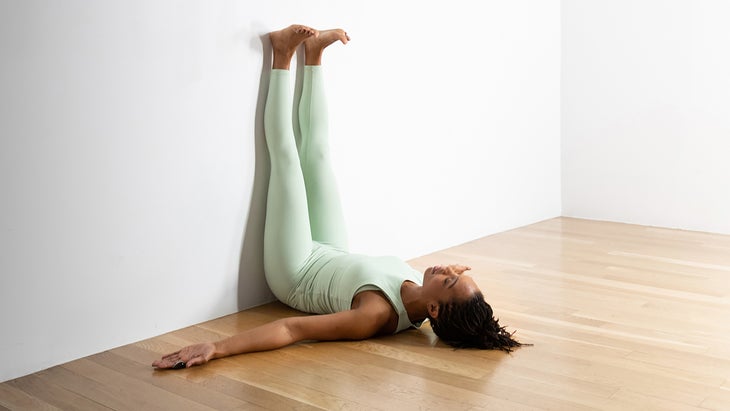
For those who are feeling mentally or physically exhausted, Restorative yoga provides a deeply calming and rejuvenating experience. In this practice, you use props like blankets, bolsters, and blocks to support your body in restful poses that are held for an extended period of time. The goal is to completely relax, release tension, and allow the body to restore itself.
Why it’s great for stress: Restorative yoga activates the parasympathetic nervous system, which helps reduce the physical symptoms of stress such as tightness and muscle tension. It’s ideal for when you need to unwind and give your body and mind time to reset.
4. Yin Yoga: Targeting Deep Tension
Yin yoga is a slower-paced style that targets the deep connective tissues, such as ligaments, tendons, and fascia, rather than focusing on muscles. Poses are held for several minutes, allowing you to deeply stretch and release tension that may be stored in these areas.
Why it’s great for stress: By holding poses for longer periods, Yin yoga allows you to deeply connect with your body, fostering relaxation and mindfulness. This practice can help release chronic tension, especially in areas like the hips, back, and shoulders, which are common stress points.
5. Kundalini Yoga: Awakening Energy
If you’re interested in a yoga style that combines physical postures with spiritual elements, Kundalini yoga might appeal to you. This practice uses repetitive movements, breathwork (pranayama), chanting, and meditation to awaken and elevate the body’s energy. It’s designed to help release deep-seated emotional stress and foster a sense of inner peace.
Why it’s great for stress: Kundalini yoga promotes mental clarity and emotional release, which can help alleviate the psychological effects of stress. The combination of physical postures, breathwork, and meditation helps clear emotional blockages and restore balance in the body.
6. Iyengar Yoga: Precision and Alignment
If you tend to carry physical tension due to poor posture or misalignment, Iyengar yoga might be an excellent choice. This practice emphasizes precise alignment in each posture, with a focus on using props to ensure you are in the correct position. Iyengar yoga’s attention to detail can help relieve muscle and joint tension caused by improper alignment or long periods of sitting.
Why it’s great for stress: Iyengar yoga’s focus on alignment and holding poses for extended periods helps alleviate the physical effects of stress, particularly in the back, shoulders, and neck. The mindful approach to each pose can also promote mental clarity and relaxation.
7. Pranayama: Breath Control for Stress Relief
While not a traditional form of yoga, Pranayama (breathing exercises) is an essential aspect of most yoga practices and can be incredibly beneficial on its own. Deep, controlled breathing can instantly calm your nervous system, reduce anxiety, and release tension.
Why it’s great for stress: By focusing on the breath, Pranayama helps activate the body’s relaxation response, reduce stress hormones, and increase the oxygen flow to the brain, improving mental clarity and reducing anxiety. It’s an excellent tool to use when you’re feeling overwhelmed or need a quick stress reliever.

Choosing the Right Style for You
When it comes to finding the best yoga practice for stress relief, the most important factor is to listen to your body and your needs. Some days you might want a more energetic, flow-based practice like Vinyasa, while other days you might crave the deep relaxation of Restorative or Yin yoga. The beauty of yoga lies in its versatility—no matter your mood or stress level, there’s a style that can help.
As you explore different yoga styles, remember that consistency is key. The more regularly you practice, the better you’ll be able to manage stress and tension in your everyday life.
So, whether you’re looking to flow through your day with Vinyasa, unwind with Restorative yoga, or find balance with Pranayama, there’s a yoga practice waiting for you to help release your stress and tension.