

Science new Correspondent
Bosun Jaiyesimi
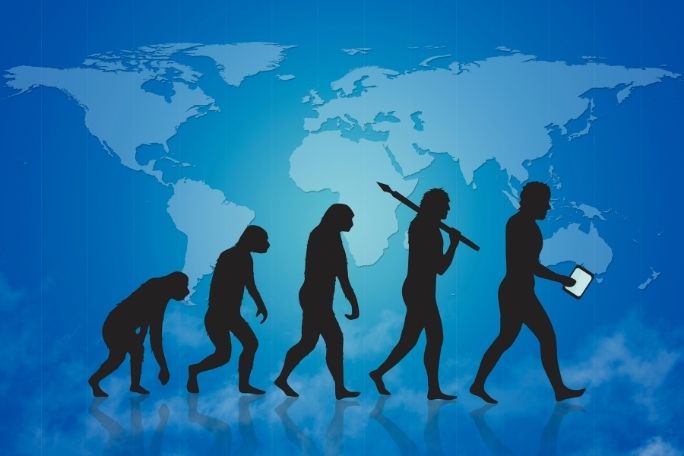
As we stand at the threshold of a new era, humanity is on the cusp of an evolutionary leap unlike any other in our history. We have traditionally viewed evolution as a slow and natural process driven by environmental factors and genetic mutations over thousands of years. However, in the 21st century, technological advancements, genetic engineering, and artificial intelligence are rapidly reshaping the future of human evolution. The question arises: what will humanity look like in the future?
The Role of Technology in Shaping Evolution
The development of cutting-edge technologies, such as gene editing tools like CRISPR, is revolutionizing the possibilities for human evolution. With the ability to alter our DNA, we can eliminate genetic disorders, enhance physical traits, and even improve cognitive functions. This kind of genetic modification, once confined to the realm of science fiction, is now becoming a reality. As scientists push the boundaries of human genetics, we may soon see the rise of “designer babies” with custom traits, ushering in an era where we actively shape our genetic makeup rather than waiting for natural selection to do its work.
Artificial Intelligence and Human Enhancement
Artificial intelligence (AI) is another key player in the evolution of humanity. AI has the potential to augment human capabilities in ways we’ve only begun to imagine. Brain-computer interfaces, for instance, may enable humans to communicate directly with machines, enhancing cognitive abilities and creating new forms of intelligence. In the future, human minds may be able to connect to vast networks of information instantaneously, processing data in ways that were once unimaginable.
Beyond cognition, AI could play a significant role in physical enhancements. Robotics and exoskeletons are already being used to assist individuals with disabilities, and in the future, these technologies could extend to all humans, improving strength, endurance, and agility. Imagine a world where humans can live longer, healthier lives, with the physical prowess of superhumans.
The Rise of Human-Machine Symbiosis
One of the most profound transformations in our evolutionary trajectory could be the merging of human biology with machine technology. Transhumanism, the belief that humanity can transcend its biological limitations through technology, is gaining momentum. This could lead to the creation of cyborgs, humans who have integrated technology directly into their bodies. Prosthetic limbs, artificial organs, and even enhanced sensory devices could become common, blurring the lines between what is human and what is machine.
The potential for such advancements raises important ethical questions. If we can enhance ourselves with technology, what does it mean to be human? And who gets access to these life-altering technologies? As humanity approaches this crossroads, we must grapple with the implications of merging biology with technology on such a fundamental level.
Evolution in a Globalized, Interconnected World
In addition to the technological factors driving human evolution, globalization and interconnectedness are accelerating cultural and societal changes that influence our evolutionary path. With easier access to information, people from diverse backgrounds are more likely to mix, intermarry, and share ideas. Over time, this global convergence may lead to new forms of social cooperation and collaboration, changing not just how we interact but also how we think and evolve culturally.
Moreover, the rise of virtual reality (VR) and augmented reality (AR) could redefine how we experience the world, giving rise to new forms of communication and human connection. These advancements will likely create new ways of experiencing life, allowing us to interact with the world—and each other—in fundamentally different ways.
Ethical Considerations and the Future of Humanity
While the future of human evolution is filled with exciting possibilities, it also presents numerous ethical dilemmas. The ability to modify genes, enhance physical and mental abilities, or even upload human consciousness to digital platforms raises questions about identity, equality, and the very nature of life. Who will decide what constitutes the “ideal” human? What happens to those who cannot afford these enhancements? Will we create a world of inequality between the genetically enhanced and the “naturally” evolved?
These questions will demand careful consideration as we navigate the future. As we venture into uncharted territories, it will be essential for society, policymakers, and ethicists to work together to ensure that our evolution remains guided by principles that respect the dignity and rights of all individuals.
Conclusion: Humanity’s Bold New Chapter
The future of humanity is poised to be one of remarkable transformation. From genetic engineering to AI integration, the evolution of our species is no longer confined to the slow march of natural selection. With the power to shape our genetic future and enhance our physical and mental capabilities, we are entering a new era of human potential.
However, as we embark on this journey, it is crucial to approach these advancements with caution and responsibility. The future of humanity is not just about what we can do, but about what we should do. In the quest to create “Humanity 2.0,” we must remember that our greatest strength lies in our ability to adapt to change—not just through technology, but through our shared values and ethics. The choices we make today will define what humanity looks like tomorrow.

