

By Gite Igiehon
Society whole Editor
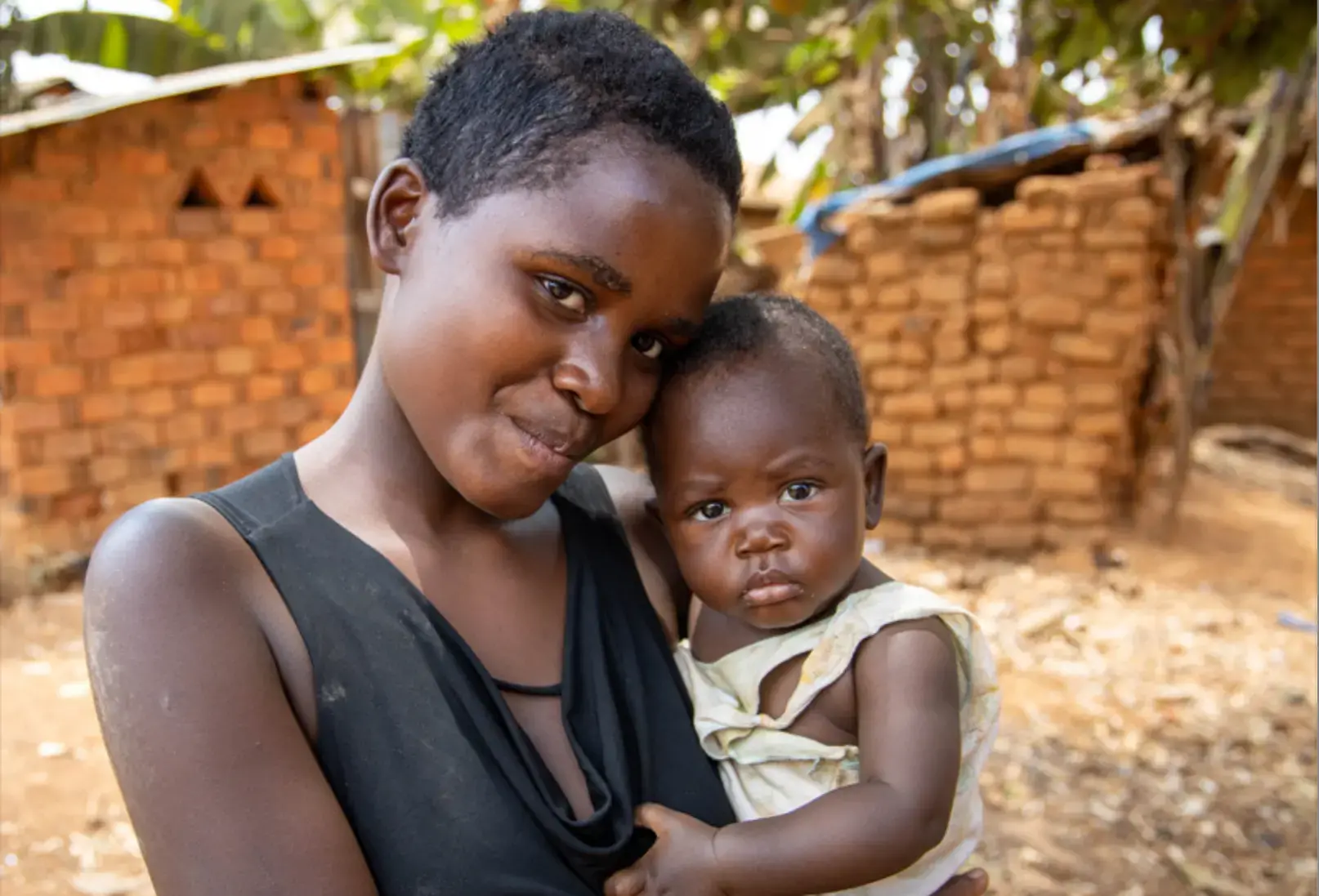
Introduction: A Global Issue Rooted in Tradition
Early teen marriage—defined as a marital union where at least one partner is under the age of 18—remains a persistent issue in many parts of the world. Though often driven by cultural traditions, economic hardship, or social norms, marrying in early adolescence can have far-reaching and harmful consequences. What may be perceived as a rite of passage or a means of securing a child’s future can instead result in lifelong repercussions, particularly for girls. From stunted education to mental health issues and physical complications, the dangers associated with early teen marriage are significant and alarming.
Psychological Toll: Emotional and Mental Health Consequences
One of the most overlooked yet devastating effects of early marriage is the psychological toll it takes on young individuals. Adolescents are in a critical stage of cognitive and emotional development. Being thrust into the responsibilities of marriage—often involving adult expectations such as childbearing, domestic duties, and submission—can be emotionally overwhelming.
Depression and anxiety are common among child brides, especially when they are isolated from peers or subjected to domestic abuse, which is statistically more prevalent in early marriages. Many young brides report feelings of powerlessness, helplessness, and entrapment. Their underdeveloped sense of identity and autonomy makes them particularly vulnerable to manipulation and coercion by older spouses or in-laws.
Moreover, the pressure to conform to adult roles prematurely often results in the suppression of personal dreams, ambitions, and individuality, leading to a sense of loss and confusion during a crucial phase of self-discovery.
The Social Consequences: Isolation and Loss of Freedom
Teen marriage often isolates young individuals from their social circles and support networks. Adolescents who marry early are typically removed from school, preventing them from maintaining friendships and developing social skills that are essential for personal and professional life. This isolation is further compounded when they relocate to live with their spouse’s family, a common practice in many cultures.
Girls in particular face strict control over their mobility and decisions, limiting their ability to engage in public life or seek help when needed. As a result, many young brides become dependent on their spouses or in-laws for basic needs and emotional support. This dependency can perpetuate a cycle of abuse and restrict opportunities for growth and empowerment.
Impact on Education: The Loss of Academic and Career Prospects
Education is often one of the first casualties of early teen marriage. Most young brides drop out of school shortly before or after their wedding, due to social pressures, household responsibilities, or pregnancy. Without a high school education, their opportunities for higher learning, employment, and financial independence are drastically reduced.
This disruption in education not only limits individual potential but also has wider societal impacts. Communities with high rates of early marriage often struggle with economic stagnation, as the potential workforce is hindered by lack of education and skills training. This contributes to a cycle of poverty that can persist across generations.
Physical Risks: The Health Dangers of Teenage Pregnancy
One of the most immediate and serious dangers of early marriage is the risk to physical health, especially when it involves early childbearing. Teenage girls are not physically developed enough to carry a pregnancy safely, which can lead to complications such as obstructed labor, preeclampsia, and postpartum hemorrhage.
The World Health Organization reports that pregnancy and childbirth-related complications are the leading cause of death among girls aged 15 to 19 in developing countries. Furthermore, babies born to young mothers are at higher risk of premature birth, low birth weight, and infant mortality.
Lack of access to reproductive health services and information further exacerbates these risks. In many cultures, discussions around sex, contraception, and reproductive rights are taboo, leaving young brides unprepared for the realities of sexual health and family planning.
The Financial Burden: A Lifetime of Economic Disadvantage
Contrary to the belief that marriage can provide financial stability for teens, early marriage often leads to long-term economic hardship. Young couples are frequently unprepared to manage household finances and lack the qualifications for stable employment. In many cases, the economic burden of supporting a young wife—and soon, children—falls on one partner, creating stress and conflict.
Girls who marry early often become financially dependent on their spouses, which limits their bargaining power within the household and increases their vulnerability to financial abuse. Without access to education or job training, these women face difficulty escaping poverty, perpetuating economic inequality and reliance on social welfare systems.
The Strain on Relationships: Immature Bonds and Higher Divorce Rates
Marriage, even under the best circumstances, requires maturity, communication, and emotional stability. Adolescents, whose brains are still developing in areas related to impulse control and long-term planning, are generally not equipped for the demands of a lifelong partnership.
Early marriages often begin under duress or pressure, leaving little room for mutual understanding or emotional readiness. As a result, these relationships tend to be imbalanced, with older spouses exerting control and younger partners lacking agency. Studies show that marriages involving teenage brides have significantly higher rates of conflict, dissatisfaction, and divorce compared to unions formed in adulthood.
In many cases, divorce or separation comes only after years of suffering, especially in cultures where ending a marriage is stigmatized or legally challenging.
Cultural and Societal Pressures: Perpetuating Harmful Norms
In many societies, early marriage is seen as a means of protecting a girl’s virtue, securing economic alliances, or reducing the financial burden on families. However, these justifications often reflect deeper gender inequalities and a lack of regard for children’s rights.
Such practices reinforce the notion that girls are commodities or burdens, rather than individuals with potential and autonomy. Efforts to challenge these norms are often met with resistance, especially when tradition and religion are invoked as justification.
Yet, change is possible. Advocacy, education, and legal reform are crucial in shifting societal attitudes and protecting young individuals from the harmful consequences of early marriage.
The Urgent Need for Awareness and Action
The side effects of early teen marriage are profound and far-reaching. From mental health struggles and physical risks to lost educational opportunities and lifelong poverty, the consequences affect not just the individual but the entire community.
To combat this issue, a multi-pronged approach is necessary—one that includes policy changes, community education, empowerment programs for girls, and stronger enforcement of minimum age laws. Most importantly, efforts must be grounded in the belief that every child has the right to a safe, healthy, and empowered future. Ending early teen marriage is not just a moral obligation; it is an essential step toward global progress and equality.

