

Health Correspondent
By Jolomi Igiehon
Guest Health Writer
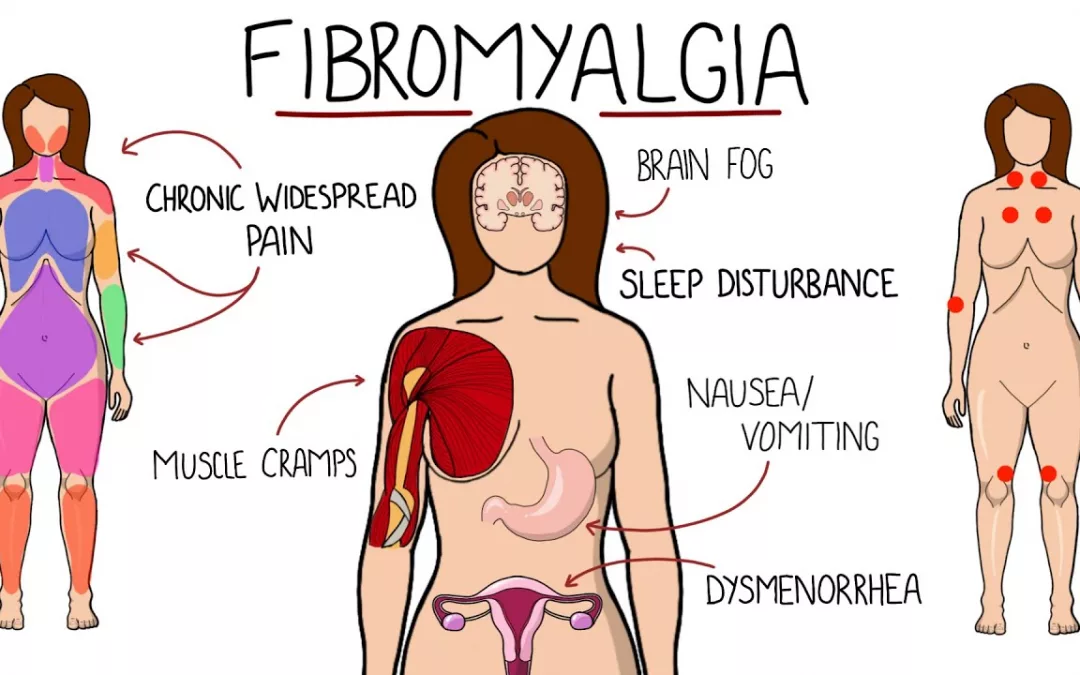
Fibromyalgia is a chronic and often misunderstood condition characterized by widespread musculoskeletal pain, fatigue, and a host of other physical and cognitive symptoms. Affecting millions of people worldwide—predominantly women—fibromyalgia can significantly disrupt daily life, making early recognition crucial for effective management. Though it is not life-threatening, fibromyalgia can severely impact quality of life, relationships, and the ability to work or engage in routine activities.
Understanding what fibromyalgia is, how it manifests, and what to watch for is essential, not just for those experiencing symptoms, but also for caregivers, healthcare professionals, and the general public. Early diagnosis and appropriate treatment can help reduce the severity of symptoms and improve overall outcomes.
Understanding Fibromyalgia
Fibromyalgia is a disorder of pain regulation, believed to be linked to how the brain processes pain signals. It is not caused by inflammation or structural damage, but by a heightened sensitivity to pain and other stimuli. The exact cause remains unknown, but several risk factors have been identified. These include genetics, infections, physical or emotional trauma, and underlying autoimmune conditions such as lupus or rheumatoid arthritis.
The condition is classified as a syndrome—a collection of symptoms that occur together—but with no clear laboratory or imaging test to confirm diagnosis. This contributes to delays in detection and a tendency for symptoms to be dismissed as psychosomatic or exaggerated. It is therefore critical to understand the signs early and seek medical advice when symptoms persist.
Common Symptoms of Fibromyalgia
-
Widespread Pain:
The hallmark of fibromyalgia is persistent, widespread pain that lasts for at least three months. Patients often describe the pain as a constant dull ache that occurs on both sides of the body and above and below the waist. The pain may shift in intensity and location, often becoming more severe in the morning or after physical exertion. -
Fatigue:
Unlike normal tiredness, fibromyalgia-related fatigue is overwhelming and not relieved by rest or sleep. People often wake up feeling unrefreshed despite spending adequate time in bed. This fatigue can interfere with concentration, work, and social activities. -
Cognitive Difficulties (“Fibro Fog”):
Many people with fibromyalgia report problems with memory, focus, and mental clarity—a phenomenon known as “fibro fog.” This can be particularly frustrating and affect both professional and personal life. -
Sleep Disturbances:
Sleep issues are common, with individuals often experiencing non-restorative sleep, insomnia, or disruptions caused by pain. Studies show that fibromyalgia patients have abnormalities in their sleep stages, particularly in deep sleep (slow-wave sleep). -
Other Symptoms:
Fibromyalgia is also associated with a wide array of other symptoms, including:-
Headaches or migraines
-
Irritable bowel syndrome (IBS)
-
Tingling or numbness in hands and feet
-
Anxiety and depression
-
Sensitivity to temperature, lights, and noise
-
Stiffness, especially in the morning
-
Recognizing the Symptoms Early
Because fibromyalgia symptoms often mimic other conditions, early recognition can be challenging. However, awareness of consistent patterns—such as unrelenting pain with no apparent cause, ongoing fatigue, and cognitive complaints—can prompt earlier consultation with healthcare providers.
People experiencing a combination of the above symptoms for more than three months should consider seeing a rheumatologist or primary care physician with experience in fibromyalgia. Keeping a symptom journal can help track patterns and triggers, making it easier to communicate concerns to a doctor.
It is important to rule out other potential causes of the symptoms through tests and evaluations, as fibromyalgia is typically diagnosed by exclusion. There are criteria set by the American College of Rheumatology (ACR) which aid in the diagnosis, focusing on the distribution of pain and the presence of other related symptoms.
Living with Fibromyalgia
While there is no known cure for fibromyalgia, a combination of treatments and lifestyle adjustments can help manage symptoms effectively. A multidisciplinary approach is usually most successful and may include:
-
Medication: Pain relievers, antidepressants, and anti-seizure drugs are commonly prescribed to help manage pain, improve sleep, and reduce fatigue.
-
Exercise: Gentle activities like walking, swimming, and stretching can reduce pain and boost energy levels.
-
Cognitive Behavioral Therapy (CBT): CBT helps address the psychological aspects of fibromyalgia, such as depression and stress, which can worsen symptoms.
-
Sleep Hygiene: Developing consistent bedtime routines and improving sleep environments can support better rest.
-
Diet and Nutrition: Eating a balanced diet, avoiding caffeine, and staying hydrated can help reduce symptom flare-ups.
-
Support Networks: Joining support groups, either online or in person, can provide emotional encouragement and practical tips from others living with the condition.
Conclusion
Recognizing fibromyalgia early can significantly change the course of a person’s journey with the condition. Timely diagnosis allows individuals to begin treatment and self-care strategies before symptoms become overwhelming. Although fibromyalgia can be debilitating, with the right support and management, individuals can still lead fulfilling lives.
By increasing awareness, promoting early recognition, and breaking the stigma surrounding invisible illnesses, we can foster a more empathetic and informed approach to fibromyalgia and those who live with it.

