
By Jite Philomena
For Tech Info News
Introduction
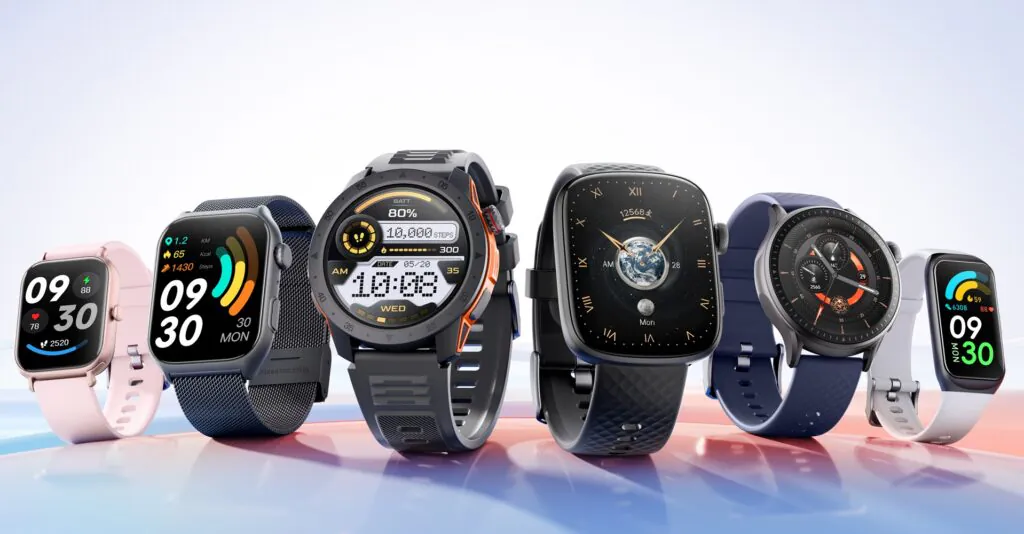
In the world of wearable technology, smartwatches have carved out a space of their own—offering a seamless blend of style, functionality, and innovation. What began as simple digital wristwatches with fitness tracking has evolved into miniature computers on our wrists. Today, smartwatches are no longer just timekeepers; they are health monitors, communication hubs, fitness companions, and even fashion statements. As their features and capabilities have advanced, so too have their price tags. A glance at the market reveals that the more sophisticated the smartwatch, the higher the price—often for good reason.
The Evolution of Smartwatches
Smartwatches have come a long way from their humble beginnings. Early models offered basic features like time display, alarms, and pedometers. Modern smartwatches now include heart rate monitoring, ECG scanning, GPS tracking, cellular connectivity, voice assistance, and app integration. Brands like Apple, Samsung, Garmin, Huawei, and Fitbit have pushed the envelope by blending advanced technology with sleek design and premium materials.
Each generation of smartwatches builds upon its predecessor with improved software, more sensors, longer battery life, and smarter algorithms. The result is a piece of wearable tech that rivals smartphones in terms of complexity and functionality.
What Drives the Price of a Smartwatch?
1. Build Quality and Materials
One of the most obvious differences between low-end and high-end smartwatches is the material used in construction. Entry-level watches may use plastic or rubber, while premium models feature stainless steel, titanium, ceramic, or even sapphire crystal glass. These high-grade materials not only improve durability but also add to the overall aesthetic and comfort of the watch.
2. Health and Fitness Features
The more sophisticated a smartwatch is in health tracking, the more expensive it tends to be. Budget models might offer basic step counting and calorie tracking, but advanced watches come with ECG sensors, blood oxygen monitors (SpO2), VO2 max measurement, sleep tracking, body temperature sensors, and stress level detection. These features are especially attractive to health-conscious consumers, athletes, and fitness professionals.
3. Display Technology
High-end smartwatches feature AMOLED or Retina displays with higher resolution, better brightness, and richer color contrast. Cheaper models often use simpler LCDs with limited clarity and responsiveness. The quality of the touchscreen, responsiveness to gestures, and always-on display capability also influence the cost.
4. Battery Life and Performance
Battery performance varies widely depending on the watch’s sophistication. Basic watches may last a few days, while high-end models balance more powerful processors with battery optimization to last longer—even with advanced sensors and constant connectivity. Watches with wireless charging or solar-powered options also come at a premium.
5. Software and Ecosystem
Top-tier smartwatches integrate seamlessly with smartphone ecosystems, enabling calls, texts, app syncing, and voice assistant capabilities. Apple Watch, for instance, works flawlessly with iPhones, offering users a tight, well-integrated experience. Garmin and Samsung also provide specialized apps and platforms that enhance the user experience. These software features, along with regular updates, security patches, and ecosystem compatibility, significantly affect pricing.
Price Points and What They Offer
Budget Smartwatches (₦30,000 – ₦70,000 / $40 – $100)
These include brands like Xiaomi, Realme, and lower-end Fitbits. They offer basic fitness tracking, step counting, sleep monitoring, and sometimes heart rate tracking. However, they often lack GPS, water resistance, and app versatility.
Mid-Range Smartwatches (₦70,000 – ₦200,000 / $100 – $250)
Here, you find watches with more advanced features like built-in GPS, AMOLED displays, better fitness tracking, and integration with smartphones. Examples include Fitbit Versa, Samsung Galaxy Watch 4, and Huawei GT models.
High-End Smartwatches (₦200,000 – ₦700,000 / $250 – $800)
These watches are loaded with features such as ECG, SpO2, LTE support, voice assistants, high-resolution displays, and premium materials. Popular models include the Apple Watch Series 9, Garmin Fenix series, and Samsung Galaxy Watch 6.
Luxury Smartwatches (₦700,000 and above / $800+)
Luxury models like the Apple Watch Ultra, Montblanc Summit, or TAG Heuer Connected are not only tech devices but fashion accessories. They are designed for high-net-worth individuals who want cutting-edge features without compromising on elegance and brand prestige.
Are Expensive Smartwatches Worth It?
The value of a smartwatch depends on the user’s needs. For someone who simply wants a fitness tracker and timepiece, a budget model may be perfectly adequate. However, individuals who rely on advanced health metrics, need business-level connectivity, or prefer a luxurious design may find high-end models worth the investment.
That said, it’s important to remember that some expensive watches command high prices due to brand name and design, not just functionality. Buyers should compare features to ensure they are getting value for money.
Smartwatches have grown in sophistication, evolving from simple gadgets to powerful lifestyle tools. As their functionality expands, so do their price tags—often reflecting the technology, build quality, and features packed into these compact devices. Whether you’re buying a smartwatch for health, work, convenience, or style, the cost is generally a good indicator of how advanced and capable the device is.
In 2025, the smartwatch is no longer a luxury reserved for the tech-savvy elite—it’s a companion for modern living, with options across every price range. Still, as always, the best smartwatch is the one that fits your needs, lifestyle, and budget.