By Jolomi Igiehon
Guest Health Writer
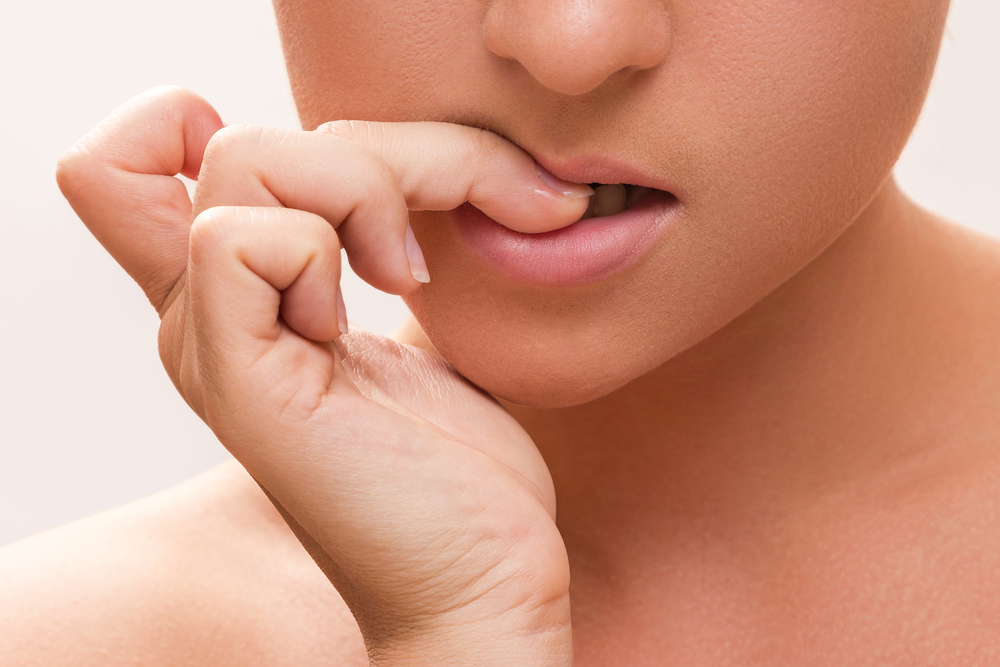
Nail chewing, also known as onychophagia, is a common but often overlooked behavior that affects people of all ages. While it may seem like a harmless or merely irritating habit, it often has deep psychological underpinnings. Many individuals who bite their nails do so unconsciously, especially during times of stress, boredom, or emotional discomfort. Understanding the psychological roots of this behavior is essential for developing healthier coping mechanisms and improving mental well-being.
Nail Chewing as a Coping Mechanism
At its core, nail biting often serves as a coping mechanism in response to psychological stress. Many individuals report that they bite their nails more frequently when they are anxious, frustrated, or nervous. This behavior can provide a temporary sense of relief or distraction from negative emotions. Psychologists believe that repetitive actions like nail chewing help some people self-soothe by redirecting their attention or offering a sense of control in otherwise uncontrollable situations.
This coping mechanism can begin in childhood, often during periods of emotional distress, such as parental conflict, school pressure, or feelings of insecurity. Over time, the behavior becomes habitual and continues into adolescence or adulthood. The brain starts to associate nail biting with relief from tension, reinforcing the habit even when the initial source of stress has disappeared.
The Role of Anxiety and Obsessive-Compulsive Traits
One of the most significant psychological contributors to nail chewing is anxiety. Studies have shown a strong link between generalized anxiety disorder and nail biting. Individuals with high anxiety levels often experience restlessness or a need to release pent-up nervous energy. Nail chewing, for these individuals, is a physical manifestation of inner turmoil.
In more severe cases, nail biting may be classified under body-focused repetitive behaviors (BFRBs), which are considered part of the obsessive-compulsive spectrum. People with BFRBs may engage in nail chewing compulsively and feel unable to stop, even when the behavior leads to pain, bleeding, or social embarrassment. The habit in these cases is not merely a response to boredom or stress but is tied to deeper psychological imbalances.
Nail Chewing and Emotional Regulation
Beyond anxiety, nail chewing can also be a sign of difficulty with emotional regulation. Emotional regulation is the ability to manage and respond to emotional experiences in an appropriate manner. For individuals who have trouble identifying or expressing their feelings, nail biting can become an unconscious substitute for verbal or emotional release.
This is especially true in environments where emotional expression is discouraged or invalidated. For instance, a child who is reprimanded for showing anger or sadness might learn to internalize these emotions, which then manifest through physical behaviors like nail chewing. Over time, the habit becomes ingrained, serving as a silent signal of internal discomfort.
Perfectionism and Frustration
Interestingly, another psychological factor associated with nail biting is perfectionism. Some research suggests that people who exhibit perfectionistic tendencies may chew their nails out of frustration when things do not go as planned. The repetitive behavior serves as an outlet for self-directed anger or impatience, particularly when individuals feel they are not meeting their own high standards.
In these cases, nail biting is less about anxiety and more about dealing with perceived failure or dissatisfaction. It becomes a form of self-punishment or a physical expression of mental unrest.
Boredom and Stimulation Seeking
While many associate nail chewing with stress, boredom is also a common trigger. For individuals who have low tolerance for inactivity or a need for constant stimulation, nail biting provides a way to fill idle moments. It serves as a form of sensory stimulation—the tactile feeling of biting and tearing can be oddly satisfying, especially for those who are naturally fidgety or restless.
In this context, nail biting functions similarly to other repetitive habits like pen clicking, leg shaking, or hair twirling. The act keeps the hands and mouth occupied, offering a mild but consistent form of engagement when external stimulation is lacking.
Breaking the Habit: Psychological Interventions
Understanding the psychological reasons behind nail chewing is the first step in overcoming it. Cognitive-behavioral therapy (CBT) is one of the most effective interventions for individuals who bite their nails due to anxiety, OCD traits, or emotional dysregulation. CBT helps individuals recognize the triggers for their behavior and develop healthier coping mechanisms, such as mindfulness, stress management techniques, or substitute behaviors like using a stress ball.
Habit reversal training (HRT), a subset of CBT, is also widely used. It involves increasing awareness of the behavior, identifying the situations that trigger it, and replacing the action with a competing response that is less harmful, such as clenching fists or deep breathing.
In some cases, addressing the underlying emotional issues—such as past trauma, low self-esteem, or unresolved anger—can significantly reduce the frequency of nail biting. When the emotional core of the behavior is addressed, the need for the habit often diminishes.
Nail chewing is more than just a bad habit; it is often a psychological signal of deeper emotional or mental challenges. Whether driven by anxiety, perfectionism, boredom, or emotional suppression, nail biting can be a reflection of how individuals manage their internal states. Recognizing the psychological roots of this behavior not only helps in reducing the habit but also fosters better emotional awareness and mental health. Rather than punishing or shaming oneself for nail chewing, a more compassionate and curious approach can lead to lasting change and personal growth.