

By Geradine Ohonba
Health Editor/Columnist
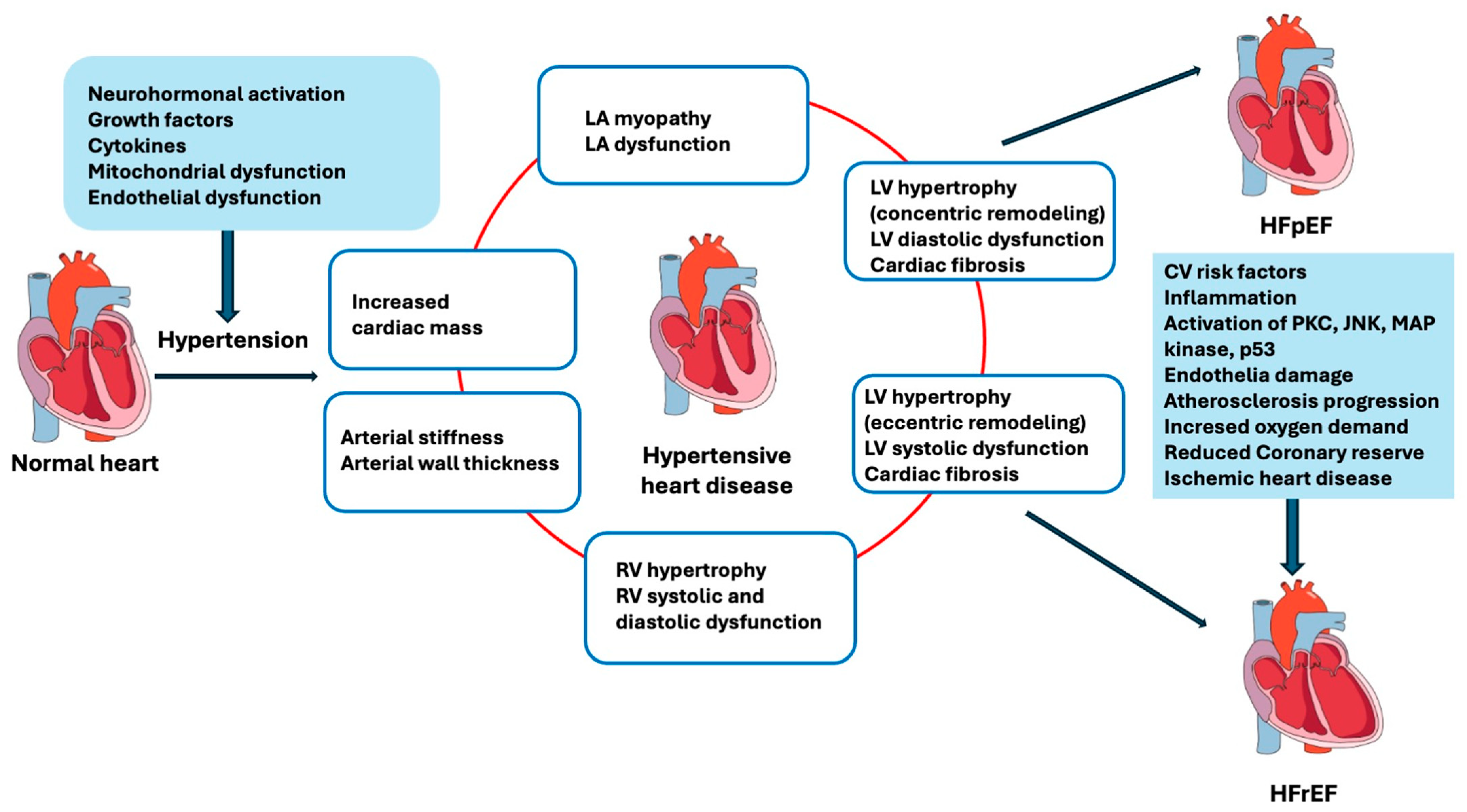
A recent study has shed new light on the potential health benefits of drinking adequate amounts of water, suggesting that increased water intake may help reduce the risk of developing high blood pressure and heart failure. These findings highlight hydration as a simple yet effective factor in maintaining cardiovascular health.
The Link Between Hydration and Heart Health
Researchers examined data from thousands of adults to explore how water consumption affects heart health. They found that individuals who drank more water daily had a significantly lower risk of hypertension (high blood pressure) and heart failure compared to those who consumed less water. The study suggests that staying well-hydrated helps the cardiovascular system function more efficiently by maintaining optimal blood volume and preventing the thickening of blood, which can strain the heart.
Why Water Matters
Proper hydration is essential for overall bodily functions, including regulating blood pressure and supporting kidney function. When the body is dehydrated, blood volume decreases, which can cause the heart to work harder to pump blood through the vessels. Over time, this added strain may contribute to the development of high blood pressure and increase the risk of heart failure.
Implications for Daily Health Habits
While the study does not prescribe a specific daily water intake for everyone, it emphasizes the importance of drinking sufficient fluids as part of a heart-healthy lifestyle. Alongside balanced nutrition and regular exercise, staying hydrated can be a simple yet impactful way to promote cardiovascular well-being.
Expert Recommendations
Health experts generally recommend drinking around eight 8-ounce glasses of water a day (about 2 liters), though individual needs may vary depending on factors like age, activity level, and climate. This study reinforces that aiming for adequate hydration is not just beneficial for general health but may also play a crucial role in preventing serious heart conditions.
Conclusion
This new research adds to growing evidence that something as straightforward as drinking more water could be an accessible and effective strategy to reduce the risk of high blood pressure and heart failure. As always, individuals should consult healthcare professionals for personalized advice, but increasing water intake could be a heart-smart habit worth adopting.

