

By Geradine Ohonba
Health Editor/Columnist
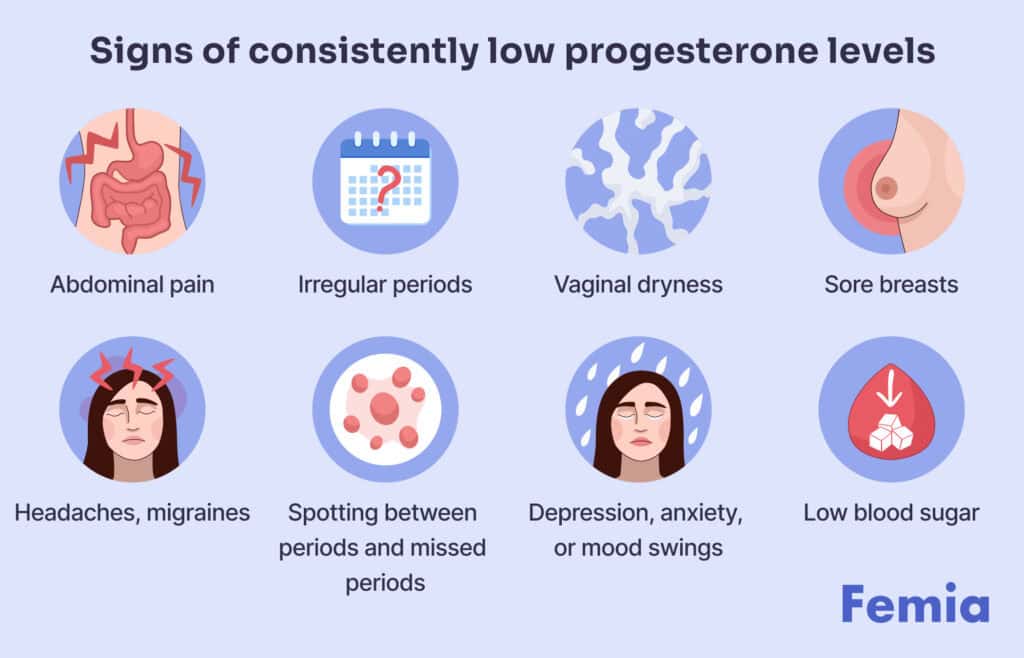
Progesterone is a vital hormone that plays a crucial role in regulating the menstrual cycle, supporting pregnancy, and maintaining overall hormonal balance in the body. Low progesterone levels can lead to symptoms such as irregular periods, mood swings, and fertility challenges. While hormone therapy is an option, many people seek natural, holistic methods to boost progesterone levels safely and effectively.
1. Maintain a Balanced Diet
Eating nutrient-rich foods can support your body’s natural hormone production. Focus on:
-
Healthy fats: Foods rich in omega-3 fatty acids like salmon, flaxseeds, and walnuts help hormone synthesis.
-
Vitamin B6: Found in bananas, chickpeas, and spinach, it supports progesterone production.
-
Magnesium: Present in leafy greens, nuts, and whole grains, magnesium aids in hormone regulation.
-
Zinc: Found in pumpkin seeds, meat, and shellfish, zinc helps balance progesterone and estrogen levels.
2. Manage Stress Effectively
Chronic stress increases cortisol, a hormone that can interfere with progesterone production. Incorporate stress-reduction techniques such as:
-
Meditation and mindfulness practices
-
Yoga or gentle exercise
-
Deep breathing exercises
-
Adequate sleep and relaxation time
3. Maintain a Healthy Weight
Both excess body fat and being underweight can disrupt hormone balance. Achieving and maintaining a healthy weight through balanced nutrition and regular physical activity supports optimal progesterone levels.
4. Herbal Supplements
Certain herbs are known to promote progesterone production naturally, including:
-
Chasteberry (Vitex agnus-castus): Traditionally used to regulate menstrual cycles and enhance progesterone.
-
Maca root: Supports overall hormonal balance.
-
Evening primrose oil: Contains gamma-linolenic acid, which may help with hormone regulation.
Always consult a healthcare professional before starting any supplements.
5. Avoid Endocrine Disruptors
Chemicals found in plastics, pesticides, and some personal care products can interfere with hormone production. Opt for natural or organic products, avoid heating food in plastic containers, and reduce exposure to environmental toxins.
6. Regular Exercise
Moderate exercise helps regulate hormone levels, reduce stress, and improve circulation, all of which contribute to healthy progesterone levels. Avoid excessive or intense workouts, which may have the opposite effect.
Boosting progesterone naturally requires a holistic approach that includes dietary changes, lifestyle adjustments, and mindful self-care. While natural methods can be effective, it’s important to work with a healthcare provider to monitor hormone levels and ensure overall health. Embracing these holistic strategies can support hormonal balance and enhance well-being naturally.


