

By Geradine Ohonba
Health Editor/Columnist
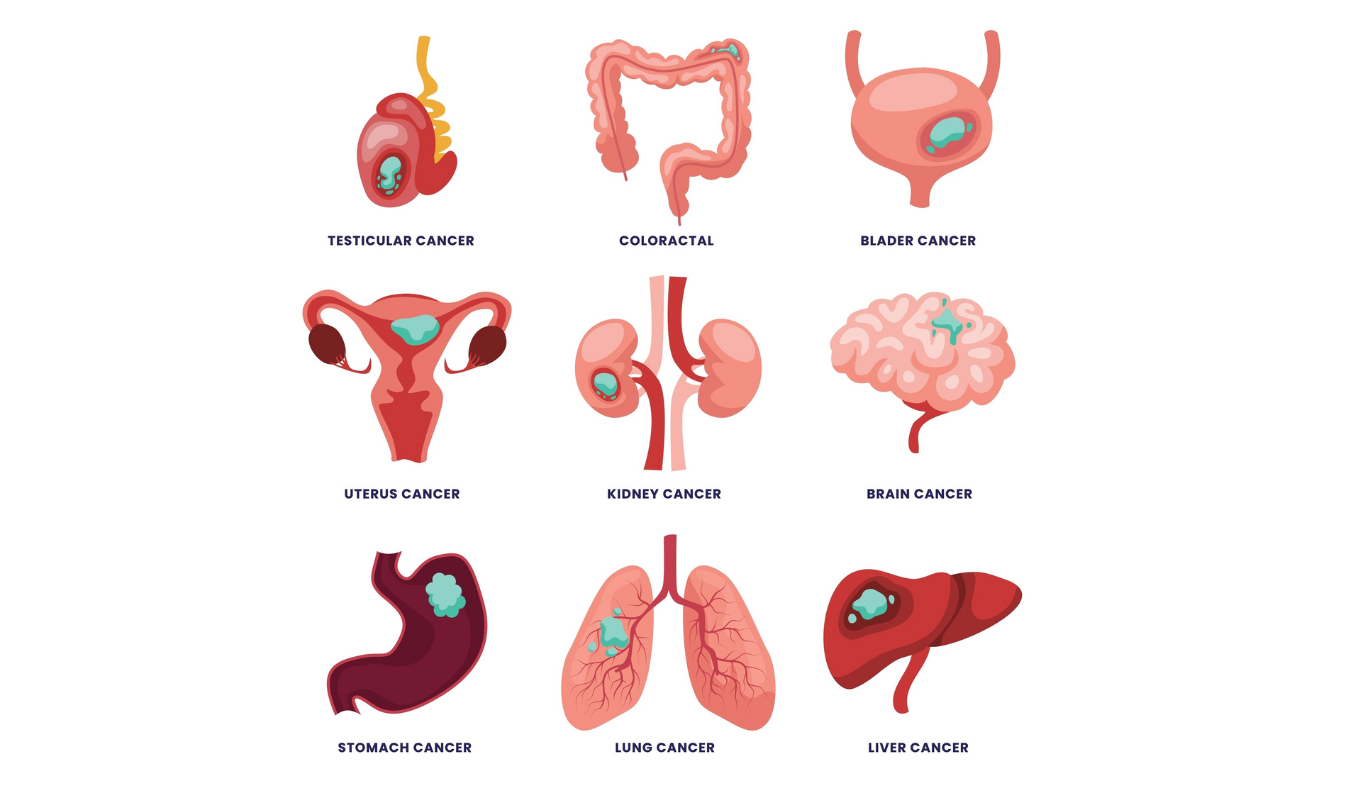
Cancer is a complex group of diseases characterized by the uncontrolled growth and spread of abnormal cells in the body. It can develop in almost any tissue or organ and affects millions of people worldwide each year. While some cancers are more common, others are rare and may be difficult to detect early. This write-up explores the different types of cancer that affect humans, grouped according to the area or system of the body they impact.
1. Blood and Lymphatic System Cancers
Leukemia
Leukemia is a type of cancer that originates in the bone marrow and affects the blood-forming tissues. It leads to the overproduction of abnormal white blood cells and impairs the body’s ability to fight infections. Common types include acute lymphoblastic leukemia (ALL), acute myeloid leukemia (AML), and chronic lymphocytic leukemia (CLL).
Lymphoma
Lymphoma is cancer of the lymphatic system, which is part of the immune system. There are two main types: Hodgkin lymphoma (characterized by the presence of Reed-Sternberg cells) and non-Hodgkin lymphoma (a diverse group of blood cancers affecting lymphocytes).
Multiple Myeloma
This cancer affects plasma cells, a type of white blood cell found in the bone marrow. It can lead to bone damage, anemia, and weakened immunity.
2. Carcinomas: Organs and Glands
Carcinomas are the most common type of cancer and originate in epithelial cells that line the internal organs and skin.
Breast Cancer
Primarily affecting women but also occurring in men, breast cancer originates in the milk ducts or lobules of the breast tissue.
Prostate Cancer
Common among older men, this cancer develops in the prostate gland and often progresses slowly.
Lung Cancer
Lung cancer, strongly associated with smoking and environmental exposure, includes two main types: small-cell lung cancer and non-small-cell lung cancer.
Colorectal Cancer
This cancer affects the colon or rectum and typically begins as benign polyps that become cancerous over time.
Liver Cancer
Hepatocellular carcinoma is the most common type of liver cancer, often linked to hepatitis B or C infection and cirrhosis.
Pancreatic Cancer
Pancreatic cancer is particularly aggressive and often diagnosed at an advanced stage, making treatment difficult.
Kidney Cancer
The most common type is renal cell carcinoma, which forms in the lining of small tubes in the kidney.
Bladder Cancer
Usually beginning in the urothelial cells that line the bladder, it’s more common in older adults and linked to smoking.
Cervical Cancer
Caused primarily by human papillomavirus (HPV) infection, cervical cancer affects the lower part of the uterus in women.
Ovarian Cancer
Often detected late, ovarian cancer starts in the ovaries and can quickly spread to surrounding organs.
Endometrial (Uterine) Cancer
Affecting the lining of the uterus, this cancer is typically diagnosed early due to abnormal vaginal bleeding.
Thyroid Cancer
This cancer begins in the thyroid gland and includes several types, such as papillary, follicular, medullary, and anaplastic thyroid cancers.
3. Skin Cancers
Melanoma
A dangerous form of skin cancer that develops from melanocytes, the pigment-producing cells in the skin. Early detection is crucial.
Basal Cell Carcinoma
A slow-growing cancer that rarely spreads but can cause local tissue damage.
Squamous Cell Carcinoma
Affects the squamous cells in the outer layer of the skin, often due to prolonged sun exposure.
4. Brain and Central Nervous System Cancers
Glioblastoma
An aggressive brain tumor with poor prognosis, often requiring surgery, radiation, and chemotherapy.
Astrocytoma
Originates from astrocytes in the brain or spinal cord and varies in severity.
Meningioma
Usually benign but can become large and press on the brain or spinal cord.
Medulloblastoma
A common pediatric brain tumor that starts in the cerebellum and affects balance and coordination.
5. Sarcomas: Bone and Soft Tissue Cancers
Osteosarcoma
A bone cancer primarily affecting children and young adults, often in the long bones of the arms and legs.
Chondrosarcoma
Cancer of the cartilage, usually occurring in adults.
Liposarcoma
Develops in fat cells in deep soft tissue and can occur anywhere in the body.
Rhabdomyosarcoma
A rare cancer of skeletal muscle tissue, more common in children.
6. Reproductive System Cancers
Testicular Cancer
Most common in younger men, this cancer has high cure rates when detected early.
Penile Cancer
Rare but serious, this affects the skin and tissues of the penis.
Vaginal and Vulvar Cancers
These rare gynecologic cancers primarily affect older women and are often linked to HPV.
7. Rare and Uncommon Cancers
Mesothelioma
A rare cancer caused by asbestos exposure, it affects the lining of the lungs, abdomen, or heart.
Adrenal Cancer
Forms in the adrenal glands, which produce hormones; often aggressive and rare.
Thymus Cancer
A rare cancer that originates in the thymus gland, located in the chest.
Eye (Ocular) Cancer
Includes melanoma of the eye and retinoblastoma in children.
Appendiceal Cancer
Rare cancer of the appendix, often discovered incidentally during surgery for appendicitis.
8. Childhood Cancers
Children can develop unique cancers, such as:
-
Neuroblastoma – Tumor of nerve tissue, often in the adrenal glands.
-
Wilms Tumor – Kidney cancer common in young children.
-
Retinoblastoma – Cancer of the eye that usually affects children under five.
Cancer is a vast and varied disease with over 100 types affecting virtually every part of the human body. Early detection, lifestyle choices, and advancements in medical science have greatly improved the outlook for many cancer patients. Understanding the different types of cancer helps promote awareness, encourages timely screenings, and supports ongoing research for better treatments and eventual cures.

