

By Geradine Ohonba
Health Editor/Columnist
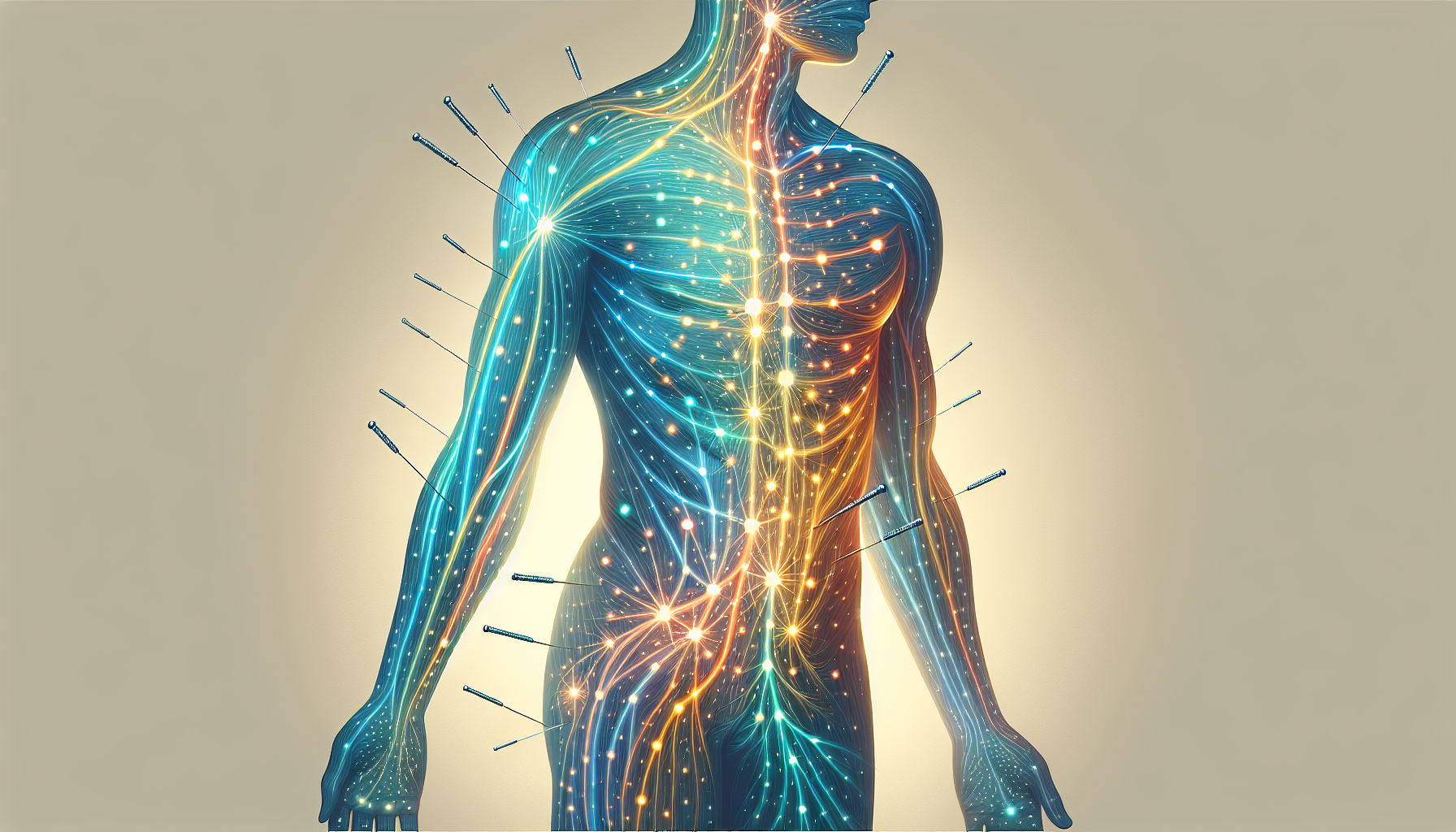
Once regarded as an obscure practice rooted in ancient Chinese tradition, acupuncture is now earning its place in modern medical clinics, hospitals, and wellness centers across the world. As science catches up with thousands of years of anecdotal evidence, acupuncture is becoming a respected, research-backed therapy for a wide range of conditions—particularly chronic pain, anxiety, and inflammation-related disorders.
Ancient Roots, Modern Revival
Acupuncture, which involves inserting thin needles into specific points on the body, dates back more than 2,500 years. According to traditional Chinese medicine (TCM), it works by stimulating the body’s energy flow, or “qi,” and restoring balance within the body’s systems. While these concepts are foreign to conventional Western frameworks, recent scientific inquiry has provided new ways of understanding its effects.
Studies using modern tools such as MRI imaging, blood tests, and neural mapping have shown that acupuncture can stimulate nerve endings, increase blood flow, release endorphins, and regulate the body’s stress response. These findings are leading many healthcare professionals to reconsider acupuncture as a legitimate, complementary form of treatment—not just an alternative remedy.
Evidence-Based Applications
One of the key drivers of acupuncture’s integration into modern medicine is its effectiveness in managing chronic pain—a condition that affects millions globally and contributes significantly to healthcare costs and opioid dependence.
In 2017, the American College of Physicians updated its clinical guidelines to recommend acupuncture as a first-line treatment for low back pain. Other respected organizations, including the World Health Organization and the National Institutes of Health, have endorsed acupuncture for conditions such as migraines, osteoarthritis, postoperative pain, and even chemotherapy-induced nausea.
Dr. Rachel Nguyen, a pain specialist at a Boston-based integrative health clinic, said,
“What we’re seeing now is a merging of disciplines. Acupuncture offers a drug-free, low-risk way to manage pain and improve quality of life. It’s especially useful for patients who don’t respond well to traditional medications.”
Beyond Pain: A Holistic Approach
While pain relief remains its most common application, acupuncture is also showing promise in the treatment of anxiety, insomnia, infertility, allergies, digestive issues, and even substance withdrawal symptoms. Its holistic nature—treating the body and mind as interconnected—makes it appealing in an era where more patients are seeking whole-person care.
Some hospitals now offer acupuncture in oncology wards to ease the side effects of cancer treatment. Veterans Affairs (VA) clinics across the U.S. have also begun using acupuncture to support veterans suffering from PTSD and chronic pain, reflecting the growing institutional acceptance of this ancient therapy.
Integrating with Conventional Medicine
The growing popularity of acupuncture has prompted many Western-trained medical practitioners to incorporate it into their own practices. Medical schools and residency programs are increasingly offering courses in integrative medicine, and licensure requirements for acupuncturists have become more standardized and rigorous.
Despite the progress, challenges remain. Insurance coverage for acupuncture is still limited in many regions, and skepticism persists among some clinicians who want to see more large-scale, peer-reviewed studies. Nevertheless, the patient-driven demand for alternative therapies and the opioid crisis have accelerated the urgency for non-pharmaceutical options.
A New Frontier
Acupuncture’s journey from ancient practice to clinical protocol is a striking example of how modern medicine can evolve by embracing time-tested wisdom. As research continues to uncover its mechanisms and benefits, acupuncture is likely to become an increasingly mainstream component of patient care.
In a world grappling with chronic pain, mental health issues, and medication overuse, acupuncture offers a simple, elegant, and surprisingly effective solution—one tiny needle at a time.

