

By Geradine Ohonba
Health Editor/Columnist
In recent years, vaping has emerged as a popular alternative to traditional smoking. Marketed as a safer and cleaner option, vaping has captured millions of users worldwide, especially among young people. However, beneath the clouds of flavored vapor lies a growing health crisis. Despite its reputation as a less harmful habit, vaping is quietly causing significant damage to the lungs, heart, and overall health—often without users realizing the slow, dangerous toll it takes.
This article explores what vaping really is, the harmful chemicals involved, and how this seemingly innocuous habit is killing people slowly.
What Is Vaping?
Vaping is the act of inhaling and exhaling vapor produced by an electronic cigarette (e-cigarette) or similar device. Unlike traditional cigarettes that burn tobacco to produce smoke, vape devices heat a liquid solution—called e-liquid or vape juice—to create a vapor that users inhale.
E-liquids typically contain nicotine, flavorings, and other chemicals dissolved in solvents such as propylene glycol and vegetable glycerin. Vaping devices come in various shapes and sizes, from pen-like models to larger “mods,” and have become especially popular with the introduction of sleek pod systems like JUUL.
The Rise of Vaping: A Modern Smoking Alternative
Vaping was initially introduced as a smoking cessation aid—an alternative to help smokers quit combustible tobacco. Its popularity surged, particularly among teens and young adults, due to flavored options like fruit, candy, and mint, plus aggressive marketing campaigns that downplayed risks.
Many users believe vaping is harmless or significantly safer than smoking. This misconception has fueled a vaping epidemic, with millions of new users who never smoked traditional cigarettes, raising public health concerns worldwide.

What’s Inside a Vape?
While vaping avoids many harmful products of tobacco combustion, vape liquids contain numerous substances that pose health risks:
-
Nicotine: The addictive stimulant found in tobacco, nicotine in vape juice can be highly concentrated, sometimes delivering more nicotine per puff than cigarettes. Nicotine increases heart rate and blood pressure and contributes to cardiovascular problems.
-
Flavoring Chemicals: Compounds like diacetyl, often used for buttery or sweet flavors, have been linked to serious lung diseases such as bronchiolitis obliterans (“popcorn lung”).
-
Solvents: Propylene glycol and vegetable glycerin help produce vapor but can break down into formaldehyde and acetaldehyde when heated—both known carcinogens.
-
Heavy Metals: Trace metals like nickel, lead, and chromium have been detected in vape aerosols due to coil heating elements, posing additional toxic risks.
How Vaping Affects Your Body
Immediate Effects
Inhalation of vape vapor can irritate the throat and lungs, cause coughing, and lead to shortness of breath. Nicotine stimulates the nervous system, causing increased heart rate and blood pressure.
Slow, Silent Damage
Although symptoms may seem mild or absent, vaping causes ongoing harm:
-
Lung Damage: Repeated exposure to heated chemicals inflames and damages lung tissue, reducing lung function. Emerging evidence links vaping to chronic bronchitis, asthma exacerbations, and even rare cases of severe lung injury known as EVALI (e-cigarette or vaping product use-associated lung injury).
-
Cardiovascular Harm: Nicotine and other chemicals in vape aerosol increase oxidative stress and inflammation, damaging blood vessels and promoting atherosclerosis (hardening of arteries), increasing risks for heart attack and stroke.
-
Immune System Impact: Vaping impairs the immune response in the respiratory tract, making users more susceptible to infections and prolonged inflammation.
The Hidden Dangers of Vaping
Vaping’s harms often accumulate unnoticed. Unlike traditional cigarettes, which have been studied for decades, vaping is relatively new, so many long-term effects remain unknown. However, studies increasingly suggest:
-
Increased Risk of Lung Disease: Vaping can trigger chronic respiratory diseases similar to those caused by smoking.
-
Potential Cancer Risk: Chemicals produced by heating e-liquids are carcinogenic, raising concerns about long-term cancer risk.
-
Nicotine Addiction and Brain Effects: Nicotine exposure, especially in youth, harms brain development, affecting attention, memory, and impulse control.

Why Vaping Is Killing People Slowly
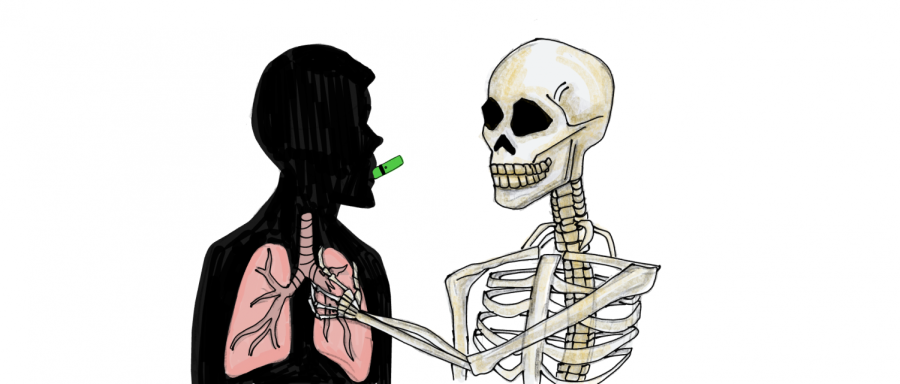
Unlike sudden, acute health crises, vaping-related damage often develops gradually over years. The slow destruction of lung tissue, blood vessels, and immune defenses leads to a steady decline in health and energy.
Many users underestimate this risk because vaping’s immediate effects seem mild or nonexistent. But each puff delivers toxic chemicals and addictive nicotine, progressively wearing down the body’s resilience.
Who Is Most at Risk?
-
Youth and Young Adults: Flavored vape products appeal strongly to teenagers, who are particularly vulnerable to nicotine addiction and brain effects.
-
Smokers Switching to Vaping: Many switch believing vaping is safe, yet they may continue to expose themselves to harmful substances.
-
People with Preexisting Health Conditions: Those with asthma, heart disease, or compromised immunity face heightened risks.
Misconceptions About Vaping Safety
Despite mounting evidence, many still believe vaping is harmless or “just water vapor.” Marketing by vape companies has contributed to these myths by promoting vaping as a “clean” or “safe” alternative. This false sense of security discourages quitting and invites experimentation by new users.
Preventing Vaping-Related Health Issues
-
Education and Awareness: Clear information on vaping risks can empower people to make healthier choices.
-
Regulations: Limiting youth access, banning certain flavors, and enforcing quality standards for vape products can reduce harm.
-
Support for Quitting: Programs and medications to help users quit vaping are essential.
Vaping may appear modern and less harmful, but the truth is far more serious. It is a slow, stealthy killer, damaging lungs, heart, and brain over time while masking its dangers behind appealing flavors and slick marketing. Understanding the risks, recognizing the signs of harm, and taking steps to quit can protect your health before it’s too late.
If you or someone you know vapes, consider the long-term consequences. Your future health may depend on the choices you make today.


