

By Princess Joy Aideyan
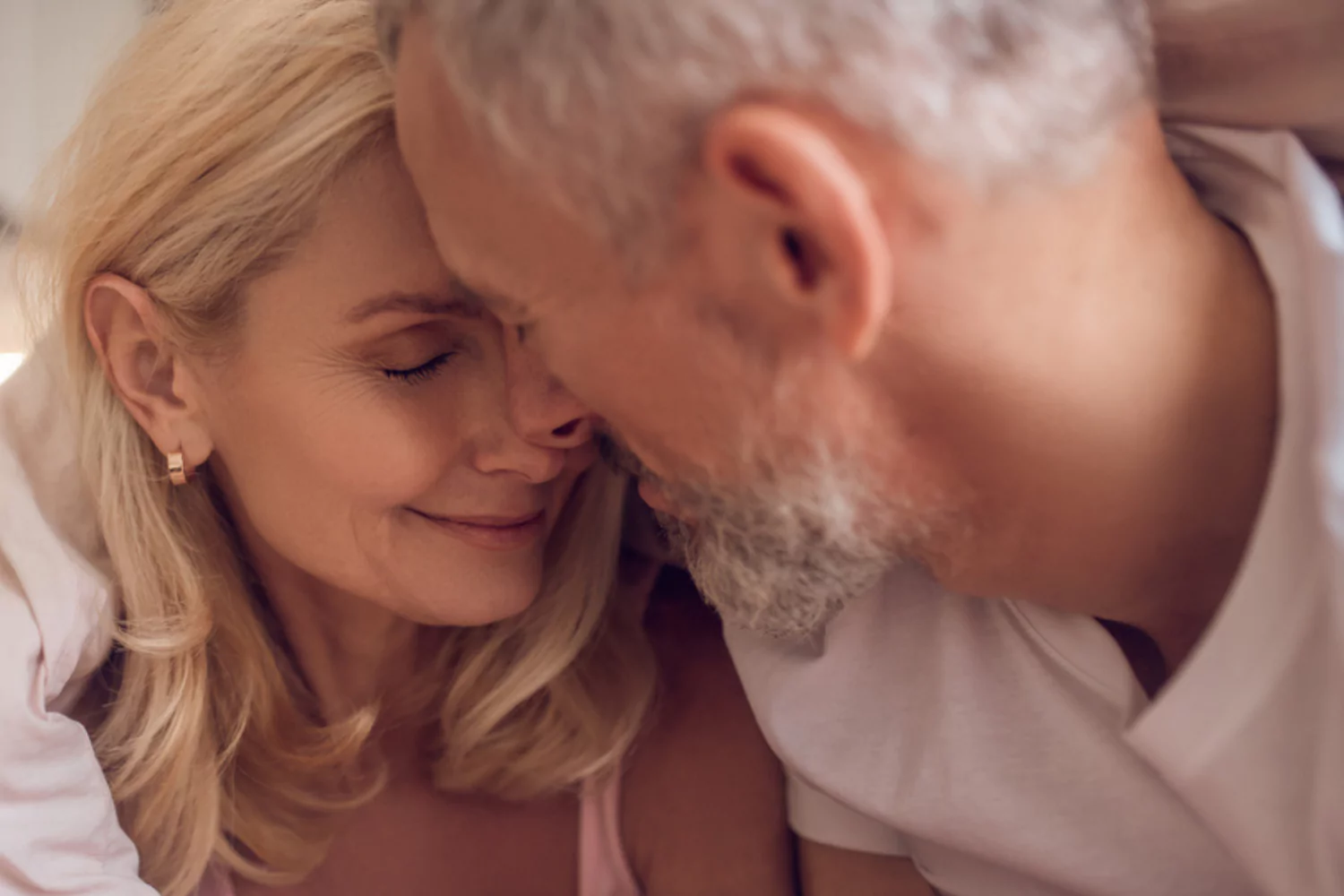
Why Does Your Sexual Libido Rapidly Diminish After 50?
Aging brings many physical, emotional, and hormonal changes — and for many, one of the most noticeable shifts is a decline in sexual libido. While it’s natural for sex drive to fluctuate over time, a more rapid or pronounced drop often becomes evident after crossing the age of 50. But why does this happen? And is it inevitable? Understanding the underlying causes can help individuals navigate this change with more confidence and compassion.
1. Hormonal Shifts: The Primary Culprit
One of the biggest contributors to decreased libido in both men and women after 50 is hormonal decline. For men, testosterone — the hormone primarily responsible for sexual desire — gradually drops by about 1% each year after the age of 30. By the time a man reaches his 50s or 60s, testosterone levels may have declined significantly, affecting sexual interest, arousal, and performance.
Women, on the other hand, experience menopause, typically between the ages of 45 and 55. During this time, estrogen and progesterone levels sharply decline. This hormonal drop can lead to vaginal dryness, discomfort during intercourse, and a decrease in overall sexual desire. Additionally, testosterone — though present in smaller amounts in women — also diminishes, further contributing to reduced libido.
“Our hormones are the body’s chemical messengers,” explains Dr. Anita Rajan, a hormone specialist. “When they shift, they impact not only our physical functions but also mood, energy, and sexual interest.”
2. Physical Health and Chronic Conditions
Aging often brings with it certain health challenges that can interfere with libido. Common conditions such as high blood pressure, diabetes, obesity, and heart disease can reduce blood flow and nerve sensitivity, which are vital for arousal and orgasm. Certain medications — particularly those for depression, hypertension, or cholesterol — can also suppress sexual desire as a side effect.
Furthermore, decreased physical stamina, joint pain, or fatigue can make sexual activity feel more strenuous or less enjoyable, leading to a decline in motivation and interest.
Tip: Regular check-ups and speaking to a doctor about medication side effects can make a big difference.
3. Emotional and Psychological Factors
It’s important not to overlook the emotional side of libido. As people age, they may experience significant life changes such as retirement, loss of a partner, children leaving home, or declining self-image. These factors can lead to stress, anxiety, or depression — all of which are known libido killers.
Moreover, body image issues often intensify with age. Wrinkles, weight gain, and other signs of aging can affect confidence and make individuals feel less sexually attractive. This emotional disconnect from one’s own body can further dampen the desire for intimacy.
4. Relationship Dynamics
For many, libido is deeply tied to emotional intimacy and relationship satisfaction. After decades together, couples may experience emotional distance, unresolved conflict, or simply a lack of novelty. These factors can create emotional or psychological blocks to sexual closeness, especially when combined with physical or hormonal changes.
On the other hand, for those who have lost a partner or are no longer in a relationship, dating and intimacy can feel daunting in later life, further reducing opportunities or motivation for sexual engagement.
5. The Role of Lifestyle
Lifestyle choices also play a big role in how libido changes with age. Smoking, excessive alcohol consumption, poor diet, lack of exercise, and insufficient sleep all contribute to lowered sexual desire. A sedentary lifestyle, in particular, is associated with hormonal imbalances, mood disorders, and poor circulation — all of which can impact libido.
The good news? Healthy habits can counteract some of these effects. Exercise, a balanced diet, and stress-reduction techniques have been shown to help boost libido and overall vitality well into the senior years.
Aging Isn’t the End of Desire
While a drop in libido after 50 is common, it’s not inevitable — nor does it have to mean the end of a satisfying sex life. Understanding the biological, emotional, and relational factors at play can empower individuals to seek solutions, whether through lifestyle changes, therapy, or medical intervention.
Open communication with partners and healthcare providers, along with a compassionate approach to the body’s changes, can help preserve intimacy and pleasure long into the golden years. After all, sexuality isn’t just about youth — it’s about connection, health, and self-acceptance at every stage of life.


