

By Geradine Ohonba
Health Editor/Columnist
Feeling cold isn’t just an uncomfortable sensation—it triggers a series of fascinating responses in your brain and body that help you survive and adapt. When exposed to cold temperatures, your brain plays a crucial role in managing how your body reacts, conserving heat, and maintaining vital functions. Understanding what happens to your brain when you’re cold sheds light on the complex interplay between the nervous system, hormones, and temperature regulation.
The Brain’s Thermostat: The Hypothalamus
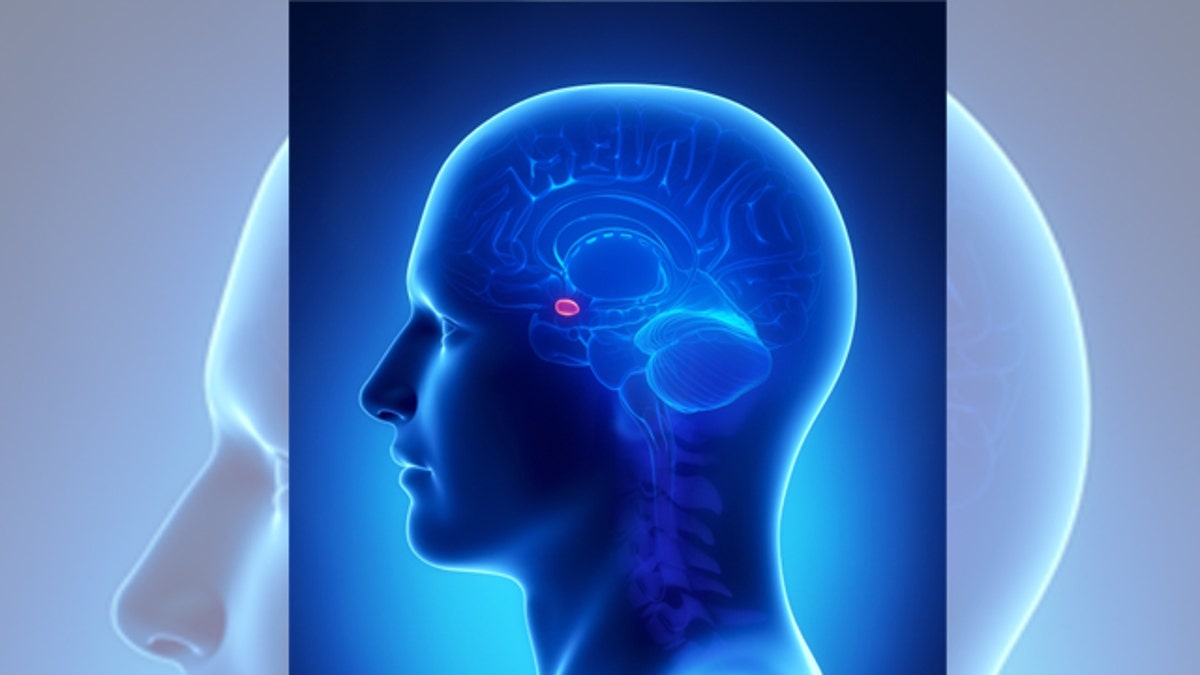
The key player in temperature regulation is the hypothalamus, a small but powerful region located at the base of your brain. Often described as the body’s thermostat, the hypothalamus continuously monitors your internal temperature through signals from temperature-sensitive receptors in your skin and other tissues.
When your body gets cold, the hypothalamus detects the drop in temperature and initiates several physiological responses to generate and conserve heat. This includes triggering shivering, restricting blood flow to the skin, and releasing hormones that increase metabolism. These mechanisms work together to protect your core body temperature, especially the brain, which is highly sensitive to temperature changes.
Blood Flow and Brain Function
When exposed to cold, your brain signals blood vessels in the extremities—like fingers, toes, and skin—to constrict, a process called vasoconstriction. This reduces blood flow to the surface of your body to minimize heat loss and prioritize blood flow to your vital organs, including the brain.
However, this reduced blood flow can cause sensations of numbness or tingling in your extremities. Importantly, maintaining adequate blood flow to the brain is critical for normal cognitive function. If the body becomes too cold, especially in cases of hypothermia, the brain itself can suffer from reduced blood supply, leading to confusion, slowed thinking, and impaired motor skills.
Shivering and Energy Use
One of the brain’s immediate responses to cold is to induce shivering. Shivering involves rapid, involuntary muscle contractions that generate heat. This process significantly increases metabolic rate and energy consumption to produce warmth.
While shivering helps to raise your core temperature, it is also a sign that your body is working hard to stay warm. Prolonged exposure to cold can exhaust your energy reserves, which is why staying warm and nourished is crucial in cold environments.
Cold Exposure and Mental State
Cold temperatures can affect mood and cognitive performance. The brain’s neurotransmitters—chemical messengers like serotonin and dopamine—may fluctuate in response to cold stress, potentially influencing feelings of alertness, anxiety, or discomfort.
In extreme cold, the brain may prioritize basic survival functions over higher-order thinking. This means complex problem-solving, memory, and decision-making abilities can decline as the body struggles to maintain temperature balance.
Long-Term Adaptations to Cold
Humans living in consistently cold environments often develop physiological and neurological adaptations. For example, some indigenous populations have enhanced brown adipose tissue activity (brown fat), which generates heat more effectively.
Moreover, repeated cold exposure can train the brain and body to respond more efficiently, reducing the shock of cold and improving tolerance. Techniques like controlled cold exposure and cold water immersion are sometimes used in wellness practices to stimulate these adaptive responses.
Your brain is at the center of managing your body’s response to cold, orchestrating complex processes that protect your vital functions. From regulating blood flow and triggering shivering to modulating mood and cognition, the brain ensures that your body can survive and adapt to chilly conditions. Understanding these responses highlights just how remarkable and resilient the human body is when faced with environmental challenges.

