By Gloria Nosa
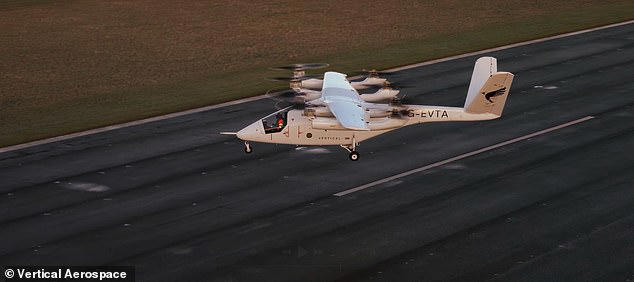

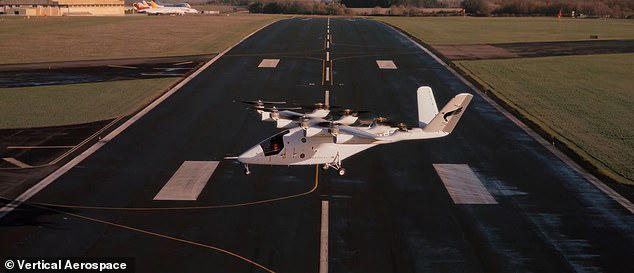
In a groundbreaking moment for British aviation and sustainable transport, the country’s first electric air taxi took to the skies during a successful test flight over the picturesque Cotswolds. The innovative aircraft, capable of reaching speeds of up to 150 miles per hour, represents a bold leap forward in the quest for cleaner, quieter, and more efficient urban mobility.
A New Chapter in Air Travel
The debut flight marks a significant milestone in the development of electric vertical take-off and landing (eVTOL) technology, which promises to revolutionize short-distance travel by offering an alternative to traditional cars and helicopters. Designed to reduce carbon emissions drastically, electric air taxis could soon become a common sight above cities and countryside alike, helping to ease road congestion and shrink travel times.
The test flight was conducted by a leading British aerospace company, which has been pioneering electric aviation solutions aimed at integrating seamlessly with existing transport networks. The aircraft’s sleek design, combined with cutting-edge battery technology, allows it to operate efficiently while maintaining a minimal environmental footprint.
Benefits Beyond Speed
While the aircraft’s impressive speed of 150mph highlights its potential to transform how people move, the environmental benefits are equally noteworthy. Electric propulsion eliminates the exhaust emissions associated with fossil fuel-powered vehicles, contributing to improved air quality and reduced greenhouse gas emissions. Additionally, the near-silent operation of electric motors promises to significantly reduce noise pollution, a common concern with conventional aircraft.
Urban planners and environmental advocates have welcomed the development, seeing it as a crucial step toward achieving sustainable transport goals and combating climate change.
Challenges and the Road Ahead
Despite the promising test flight, industry experts caution that widespread adoption of electric air taxis will require overcoming several hurdles. These include developing robust infrastructure for charging and maintenance, establishing comprehensive safety regulations, and ensuring affordability for everyday users.
Moreover, integrating air taxis into busy airspace will demand advanced traffic management systems to prevent accidents and ensure smooth operations. Nevertheless, the success of the Cotswolds test flight underscores the rapid progress being made in these areas.
Looking Forward
The British government has expressed strong support for the project, highlighting its potential to create new jobs, stimulate innovation, and position the UK as a leader in sustainable aviation. Plans are underway to expand testing and begin trials in urban centers within the coming year.
As the world seeks greener ways to connect, Britain’s first electric air taxi heralds a future where quick, clean, and convenient travel is not just an aspiration but an achievable reality