By Gloria Nosa

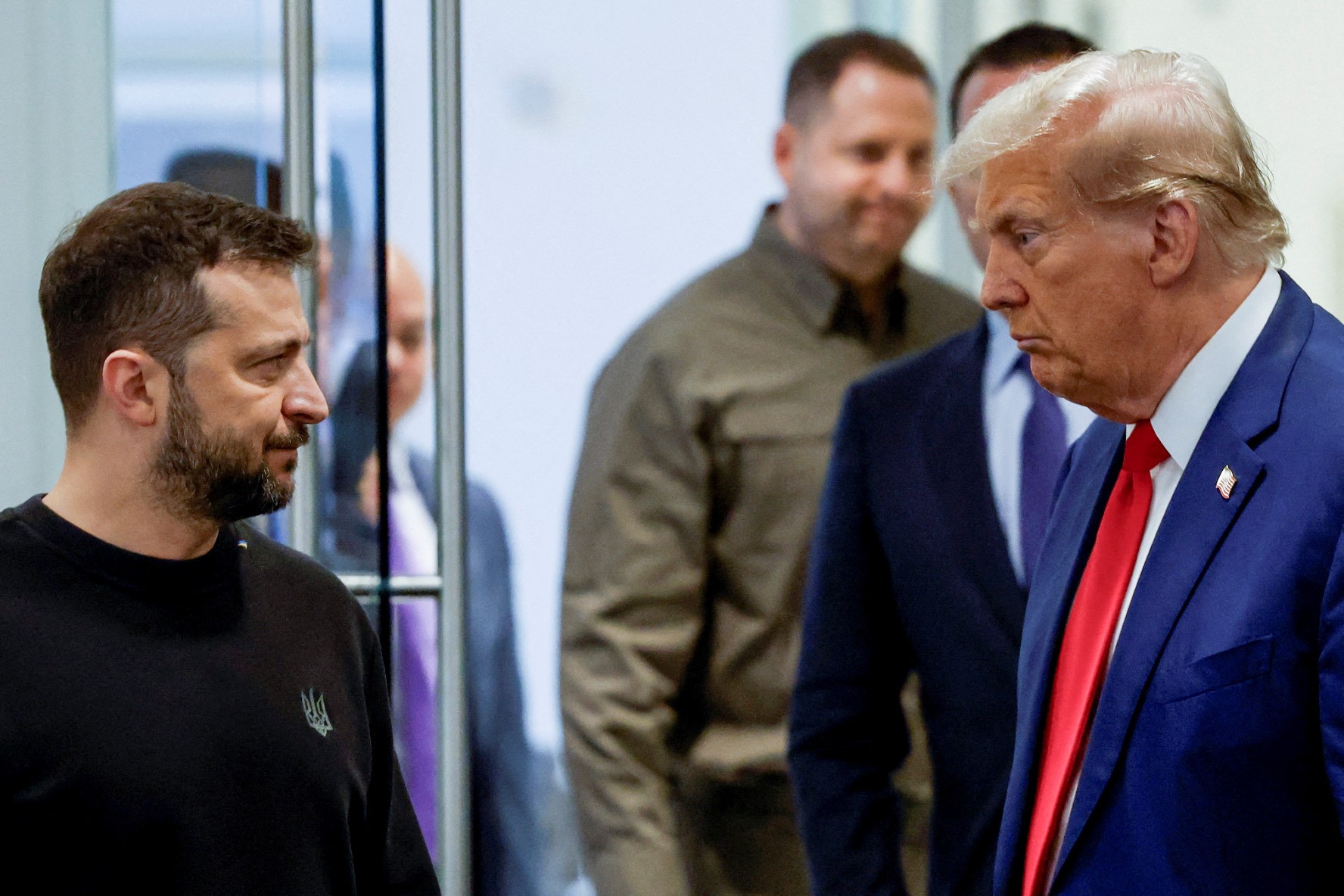
As the war in Ukraine drags into another year, NATO is undergoing a significant strategic recalibration in response to a noticeable shift in U.S. engagement under President Donald Trump. With Washington stepping back from its traditional leadership role in the alliance’s support for Kyiv, European allies are increasingly taking the reins in shaping NATO’s approach to the conflict.
Since returning to office, Trump has adopted a more restrained stance on Ukraine, emphasizing “America First” principles and questioning the continued scale of U.S. military and financial assistance. This shift has unsettled NATO’s traditional dynamics and compelled European powers—particularly Germany, France, and the United Kingdom—to step up both diplomatically and militarily.
NATO Secretary-General Jens Stoltenberg, speaking after a recent ministerial summit in Brussels, acknowledged the alliance’s evolving posture. “NATO remains united in its support for Ukraine, but the nature of our cooperation is adjusting,” he said. “European allies are now playing a more prominent role in coordinating aid, supplying weapons, and training Ukrainian forces.”
This reorientation has been evident in recent policy moves. Germany has announced a multi-billion-euro weapons package for Ukraine, while the United Kingdom is expanding its military training programs for Ukrainian troops. France has also deepened intelligence-sharing and pledged long-term security guarantees.
Analysts say the change in U.S. leadership is forcing NATO to confront long-standing imbalances within the alliance. “Trump’s reluctance to lead on Ukraine is pushing Europe to grow up strategically,” said Dr. Claudia Meier, a senior fellow at the European Council on Foreign Relations. “This could have long-term implications for European defense independence, but it’s also testing NATO’s cohesion.”
While Trump has not entirely withdrawn U.S. support, he has signaled a preference for Europe to take more responsibility, even warning that future assistance may be contingent on increased burden-sharing. This has led to internal debates within NATO about sustaining Ukraine’s defense without the same level of American involvement that characterized the early stages of the war.
Ukrainian officials, for their part, have expressed cautious optimism. President Volodymyr Zelenskyy recently acknowledged the “stronger voice of Europe” in maintaining military and humanitarian aid. However, concerns persist over the long-term reliability of Western support, especially if U.S. policy becomes increasingly inward-looking.
As NATO adapts to this new reality, questions remain about how sustainable this European-led model will be, especially if the war drags on and domestic pressures mount. Still, the alliance’s shift marks a turning point in transatlantic relations—one that could redefine NATO’s strategic landscape well beyond the Ukraine conflict.