

By John Umeh
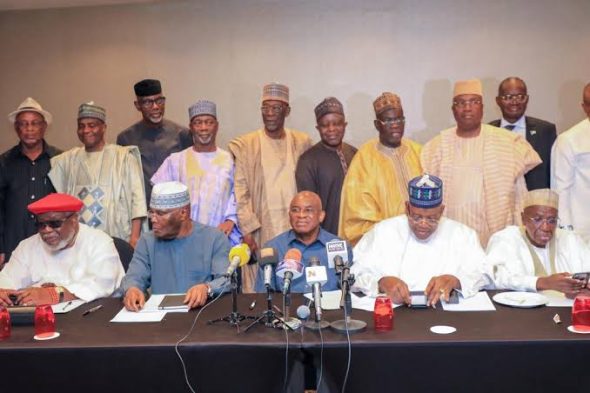
A New Era of Opposition Politics
In a major political development that could reshape Nigeria’s 2027 general elections, a coalition of opposition parties has officially adopted the African Democratic Congress (ADC) as its unifying platform. This unprecedented move comes amid intensifying efforts to challenge the dominance of the ruling All Progressives Congress (APC) and build a credible alternative that can galvanize public support nationwide. In a show of unity and strategic foresight, the coalition named former Senate President David Mark as the new National Chairman of the ADC—a decision widely seen as a masterstroke to restore gravitas, experience, and broad national appeal to the fragmented opposition front.
The adoption of ADC as a common political vehicle signals the beginning of a consolidated effort by major opposition blocs, including factions of the Peoples Democratic Party (PDP), Labour Party (LP), Social Democratic Party (SDP), and other smaller regional parties. Talks that had been ongoing for months behind closed doors reportedly reached consensus after extensive negotiations centered on ideology, national unity, and electoral strategy.
David Mark’s emergence as National Chairman is being hailed as a bridge-building appointment. With a long-standing political career, including a record two-term presidency of the Senate and a reputation for measured leadership, Mark is widely respected across party lines. His involvement gives the new coalition the legitimacy and organizational muscle it desperately needs ahead of the high-stakes 2027 polls.
Page 2: Why ADC? Why Now?
The choice of ADC, while surprising to some, is rooted in strategic logic. The party has maintained a relatively clean slate in Nigeria’s political scene, avoiding the scandals and corruption allegations that have plagued the bigger parties. Its grassroots structures remain intact in key regions, particularly in the North Central, South East, and parts of the South West. By choosing ADC, the coalition avoids the burden of toxic legacies while offering a platform that can be rebranded and repurposed to fit the demands of 2027.
Sources within the coalition suggest that other factors that influenced the choice include the party’s flexibility, openness to reform, and minimal internal factionalism. In contrast, both PDP and LP have struggled with leadership crises and court battles that have weakened public confidence. The coalition’s key architects reportedly wanted a neutral base—one that could offer all participating blocs equal footing and fresh political air.
David Mark’s first address as Chairman underscored this vision. “We must go beyond the politics of survival and embrace the politics of service, reform, and responsibility,” he said. “Our mission is to rescue Nigeria, not for one party or one man, but for every citizen who has lost hope in leadership. The ADC will be a house of rebirth for Nigeria’s democracy.”
Page 3: Reactions, Road Ahead, and 2027 Implications
The announcement has sparked a wave of reactions across Nigeria’s political landscape. Supporters of the move praise the coalition’s willingness to compromise and unify, calling it the most serious threat yet to the APC’s 12-year reign. Political analysts have also noted that this may be the first time since 2015 that the opposition has shown genuine momentum and national coordination.
However, not everyone is convinced. Some critics argue that without a consensus presidential candidate, the new coalition may face the same fate as previous alliances—strong on paper but weak on execution. Others question whether voters, especially in the North, will rally behind a platform that still lacks a clear ideological anchor or a compelling economic recovery plan.
Despite these challenges, the coalition appears confident. Talks are reportedly ongoing between top figures such as Atiku Abubakar, Peter Obi, Rabiu Kwankwaso, and other regional heavyweights to form a formidable presidential ticket. Many believe that if the coalition can maintain discipline, finalize its candidate selection early, and present a clear national agenda, it could seriously unsettle the APC’s grip on power.
In the months ahead, all eyes will be on the ADC and its new leadership. With David Mark at the helm and a wave of opposition support flowing in, the 2027 elections may no longer be a foregone conclusion. Instead, Nigeria may witness a fiercely contested battle for the soul of its democracy—and the rebirth of a true multi-party system.

