
By Gloria Nosa
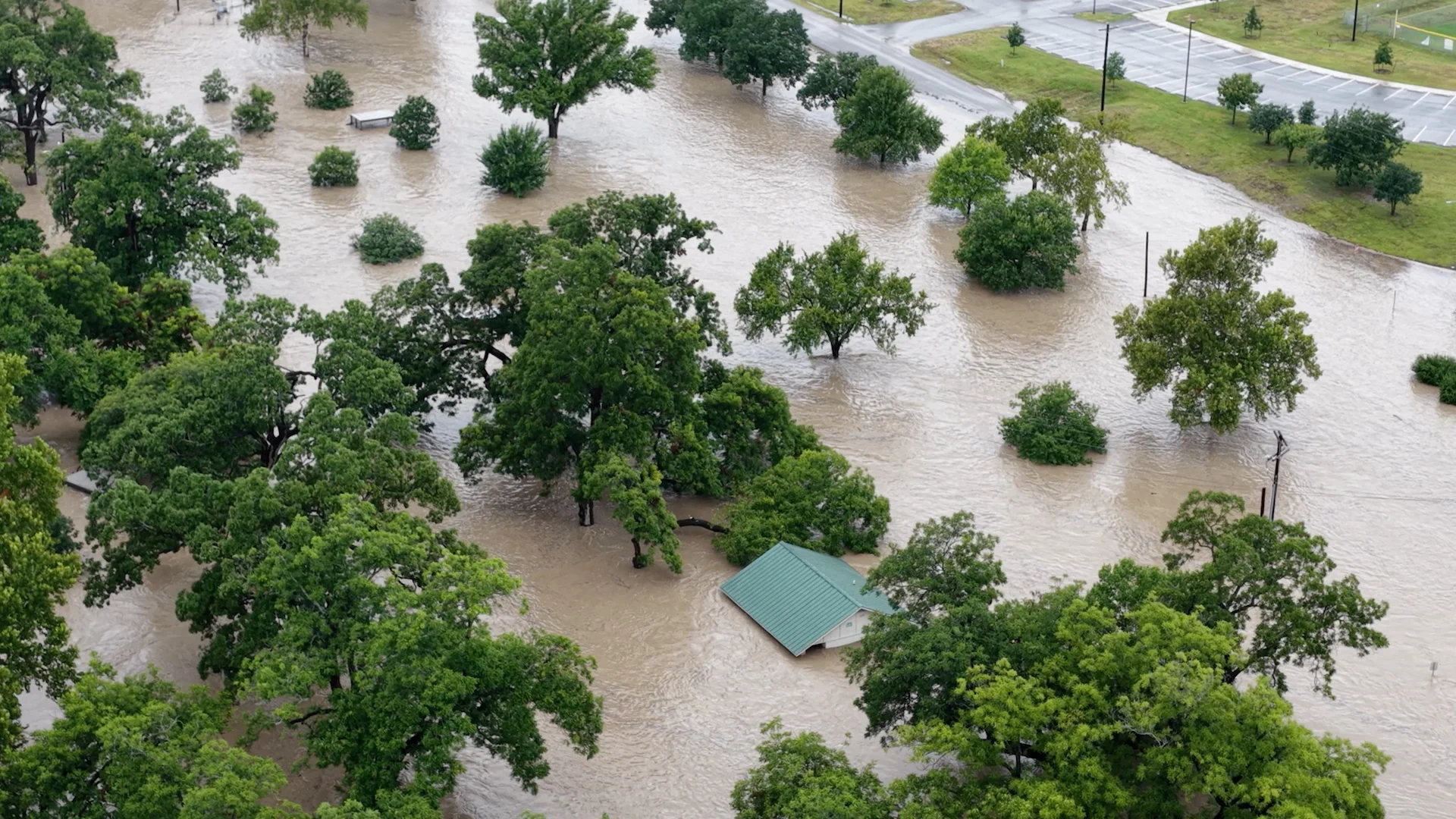
A wave of grief and shock has swept across the United States as historic and catastrophic flooding in Texas has claimed the lives of at least 67 people, including 21 children, according to state emergency officials. The disaster, triggered by record-breaking rainfall and overwhelmed infrastructure, has left communities underwater, families displaced, and authorities racing against time to rescue survivors and recover the dead.
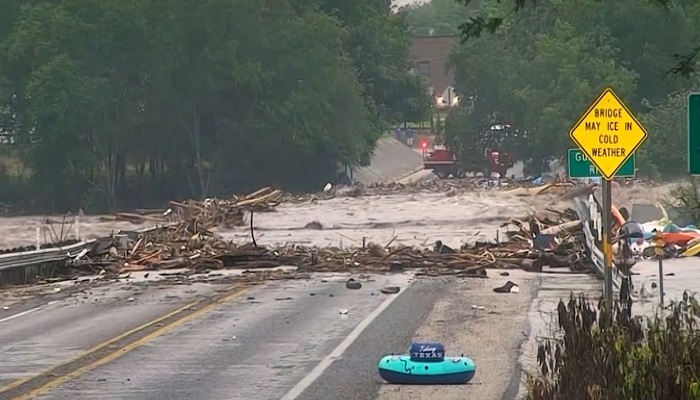
The flooding, which began last week after days of torrential rain, has inundated major cities and small towns alike, submerging homes, washing away vehicles, and collapsing critical bridges and roads. Local officials have described the scale of the damage as “unprecedented” and warned that the toll could rise further as rescue operations continue in submerged and hard-to-reach areas.
Governor Alicia Mendoza declared a state of emergency across 58 counties and called for federal assistance to bolster local and state emergency response capabilities. “This is not just a natural disaster—it is a human tragedy,” Mendoza said during a press briefing on Monday. “Entire neighborhoods have been wiped out, and far too many families are grieving unimaginable losses.”
Among the most heartbreaking reports are those involving children. Authorities confirmed that 21 of the 67 victims were minors, many of whom were trapped in homes or vehicles as floodwaters surged. In Houston’s suburban area of Pasadena, a mother of three recounted her near-death experience after being separated from her 6-year-old daughter in the chaos. “One minute we were running for higher ground, the next, the water was above our heads,” she said tearfully. “I never found her.”
The National Weather Service reported that some parts of southeastern Texas received more than 20 inches of rain in 72 hours—levels unseen since Hurricane Harvey struck in 2017. Unlike Harvey, however, the current flooding was not caused by a named storm but by a stalled weather system that unleashed relentless downpours, catching many off guard.
Emergency shelters have been set up in stadiums, schools, and churches to accommodate the thousands who have lost their homes. Aid organizations like the American Red Cross and FEMA are on the ground, distributing food, water, and medical supplies, while also coordinating mental health services for trauma victims.
President Joe Biden, in a statement from the White House, expressed condolences to the families of the victims and promised full federal support. “This is a dark time for Texas, and the nation stands with every community affected by this unimaginable loss,” Biden said. “We are deploying every resource available to assist with recovery, rescue, and rebuilding efforts.”
Climate scientists and environmental experts have weighed in, warning that the intensity and frequency of such extreme weather events are consistent with climate change patterns. “This is no longer the exception—it is becoming the norm,” said Dr. Elena Rodriguez, a climate researcher at the University of Texas. “Urban sprawl, poor drainage infrastructure, and rising global temperatures have created a perfect storm for this kind of disaster.”
As floodwaters slowly begin to recede in some regions, the full scope of the devastation is becoming clearer: destroyed homes, contaminated water systems, overwhelmed hospitals, and communities grappling with long-term recovery. For many, the road ahead will be long and uncertain.
But amid the tragedy, stories of resilience and heroism have emerged. Volunteers using kayaks and makeshift rafts have braved dangerous waters to save neighbors and strangers alike. “We lost a lot, but we didn’t lose our spirit,” said one rescue worker. “Texas is hurting, but we will rise again—together.”
Residents in affected areas are urged to follow official advisories, avoid flooded zones, and check on elderly neighbors and vulnerable individuals. Donations to verified relief organizations are being encouraged to support victims of the flooding.