

Economy News Correspondent
Ruth Ogbechie
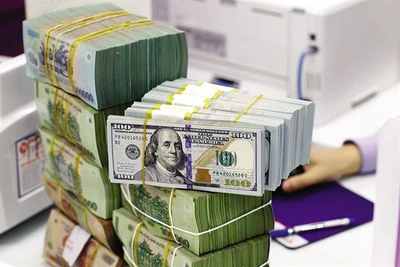
The U.S. dollar has experienced a notable decline against the Vietnamese dong (VND) in recent days, signaling a shift in currency dynamics influenced by evolving economic conditions across global and Southeast Asian markets. Currency traders and financial analysts are closely monitoring the development, as the dong continues to show resilience despite mounting pressures facing several emerging market currencies. According to official rates from the State Bank of Vietnam (SBV), the dollar weakened steadily over the past trading sessions, dipping below key resistance levels against the dong. This movement reflects a mix of international and domestic factors including softening U.S. inflation data, changes in monetary policy expectations, and Vietnam’s improving trade performance. The recent slide in the dollar is primarily attributed to renewed expectations that the U.S. Federal Reserve may hold off on additional interest rate hikes, following a series of relatively tame inflation reports and signs of a slowing job market. The dovish sentiment surrounding the Fed’s monetary stance has dampened demand for the greenback, which had previously surged on the back of aggressive rate increases. Investors are also seeking more diversified exposure amid geopolitical uncertainties and volatile U.S. fiscal conditions. With the dollar losing its previous momentum as a safe haven, several regional currencies — including the Vietnamese dong — are beginning to see modest gains. On the domestic front, Vietnam’s strong export-driven economy and disciplined monetary policies are helping to strengthen confidence in the dong. The country’s balance of trade remains in surplus, with key sectors such as electronics, textiles, and agriculture continuing to perform well. Meanwhile, Vietnam’s central bank has maintained a stable interest rate regime, and inflation has remained relatively under control compared to many other developing economies. Foreign direct investment (FDI) into Vietnam has also remained steady, particularly in manufacturing and renewable energy, further supporting demand for the dong. The SBV has been proactive in managing currency fluctuations, using a combination of intervention and policy flexibility to prevent abrupt volatility while still allowing market forces to play a role. Currency markets have responded cautiously to the dollar’s retreat. Importers in Vietnam may see some short-term benefits from a stronger dong, as it reduces the cost of acquiring goods and services priced in dollars. However, exporters — who typically benefit from a weaker local currency — may come under slight pressure if the dong’s appreciation trend continues. At the same time, the shift could attract more capital inflows into Vietnam’s bond and equity markets, as investors look for stable emerging economies with potential upside. A stronger dong also improves Vietnam’s purchasing power in global markets, enhancing its ability to import raw materials and technological equipment. While it remains to be seen whether the dollar’s weakness against the dong will be sustained, the current trend reflects broader realignments in global currency markets. Much will depend on future U.S. economic data, geopolitical developments, and Vietnam’s continued macroeconomic stability. For now, the Vietnamese dong stands firm, offering a rare bright spot in the global currency landscape. As both local and international investors adapt to shifting dynamics, the dollar-dong relationship will be closely watched in the weeks ahead.Global Drivers of Dollar Weakness
Vietnam’s Economic Outlook Boosts Dong Stability
Market Reactions and Implications
Looking Ahead

