

By Arinze Uzo
Business News Correspondent
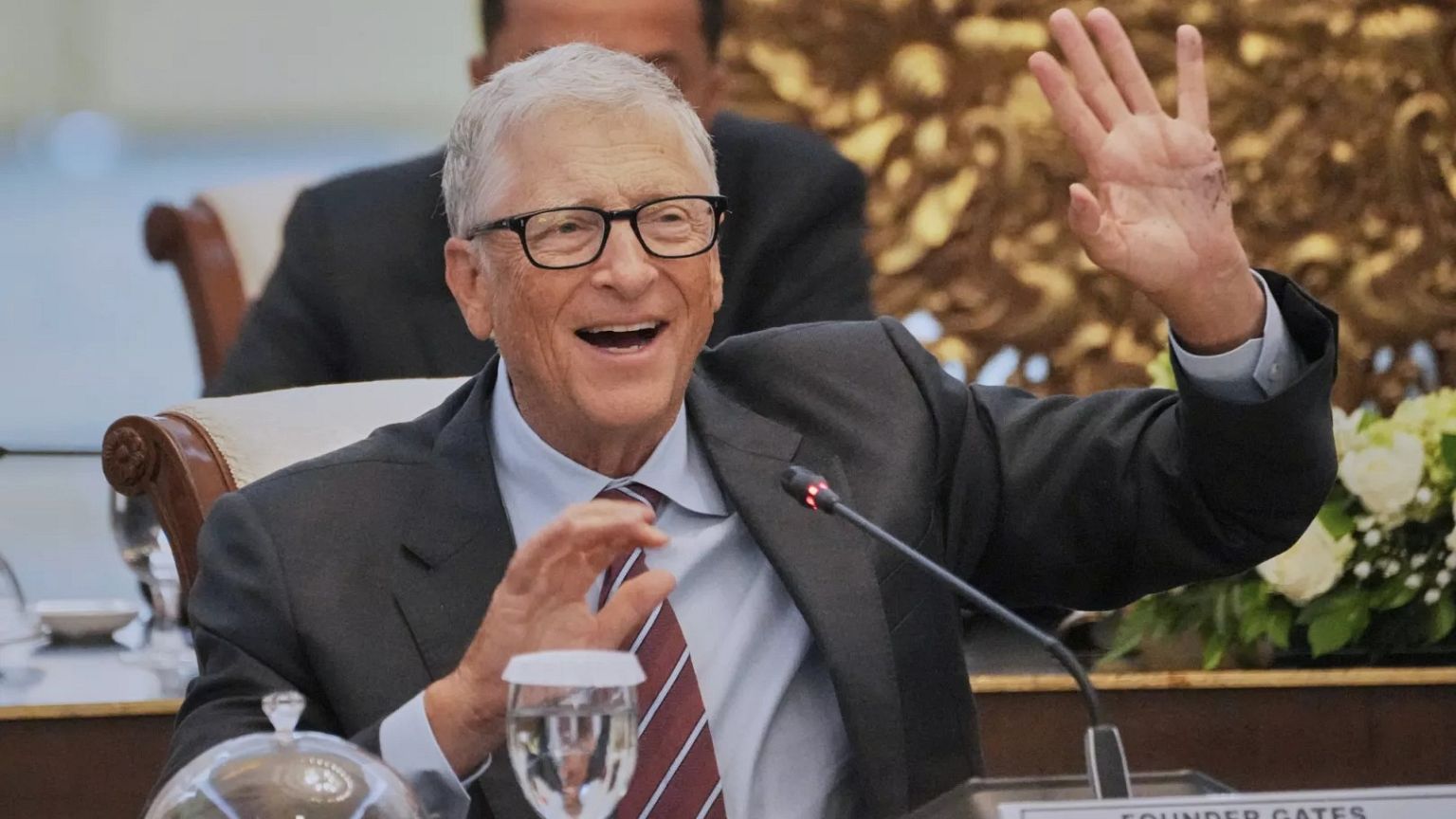
Microsoft co-founder and billionaire philanthropist Bill Gates has seen a massive $51 billion drop in his net worth — but unlike many tech moguls facing market downturns, Gates’ decline is largely self-inflicted. The staggering plunge stems from his unprecedented ramp-up in charitable giving, marking one of the largest personal wealth transfers to philanthropic causes in modern history.
According to recent financial disclosures and philanthropic tracking reports, Gates has significantly increased his contributions to the Bill & Melinda Gates Foundation, the world’s largest private charitable foundation. The foundation, which focuses on global health, education, and poverty alleviation, received a multi-billion-dollar boost from Gates in the past 18 months, bringing his total lifetime donations to well over $70 billion.
“I have more than enough,” Gates wrote in a blog post earlier this year. “I feel a responsibility to return my resources to society in ways that improve lives and create opportunity. I’ll continue to give until I drop off the list of the world’s richest people.”
Gates’ net worth, once estimated at over $134 billion, now stands closer to $83 billion — still placing him among the wealthiest individuals on the planet, but no longer in the global top five. The Microsoft co-founder has long pledged to give away the majority of his fortune through initiatives like the Giving Pledge, which he co-founded with Warren Buffett to encourage billionaires to commit to philanthropy during their lifetimes.
Analysts note that Gates’ wealth decline is not linked to stock market crashes or failed ventures, but rather a deliberate shift in his financial strategy: moving billions from private assets into public service. This distinguishes him from many of his billionaire peers, who often preserve or grow their wealth through charitable foundations without reducing their personal net worth significantly.
The Gates Foundation’s latest funding cycles have included massive investments in malaria vaccine research, sanitation infrastructure in Africa, agricultural resilience in the Global South, and educational initiatives in underserved American communities. In 2024 alone, the foundation disbursed more than $9 billion in grants, its highest annual outflow to date.
Despite the drop in his personal fortune, Gates remains one of the most influential figures in global development and technology. Many experts say his approach sets a powerful precedent in a time when wealth inequality is under increasing scrutiny.
“What Gates is doing is a radical reimagining of billionaire responsibility,” said a senior analyst at the Institute for Philanthropic Impact. “He’s not just writing checks — he’s transforming sectors with measurable results.”
As other ultra-wealthy figures face criticism for hoarding assets or giving primarily for tax incentives, Gates’ record-breaking donations are sparking renewed conversations about the real role of billionaires in society. For Gates, however, the mission is simple: to leave the world better than he found it — even if it costs him half his fortune.

