By Geradine Ohonba
Health Editor/Columnist

Nut butters have become a staple in modern diets—from peanut and almond to cashew and hazelnut varieties. They’re creamy, satisfying, and often marketed as healthy additions to your breakfast toast, smoothies, or post-workout snacks. But how healthy are they really? Are they the nutrient-rich powerhouses they’re claimed to be, or are they just another source of hidden calories and fats?
Here’s what you need to know about nut butters and your health.
What Are Nut Butters?
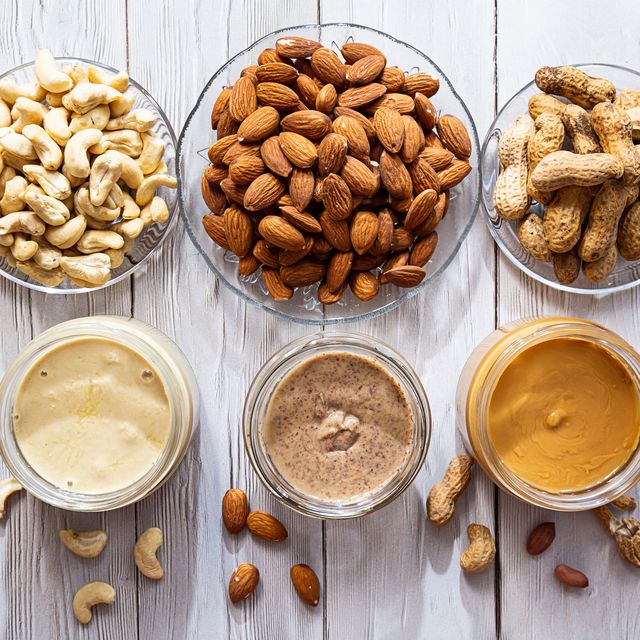
Nut butters are made by grinding nuts into a smooth, spreadable paste. While peanut butter remains the most popular worldwide, there’s a growing demand for alternatives like almond, cashew, pistachio, walnut, and even seed-based options like sunflower butter and tahini (sesame paste). Most contain just the nuts themselves, though many commercial varieties include added sugar, salt, and oils for flavor and consistency.
Nutritional Breakdown: The Good
Nut butters offer a wealth of nutritional benefits—when consumed in moderation and in their most natural form.
-
Healthy Fats: They’re rich in unsaturated fats, particularly monounsaturated fats, which are heart-healthy and can help reduce LDL (bad) cholesterol.
-
Protein: Nut butters provide a plant-based source of protein, essential for muscle repair and satiety.
-
Fiber: A tablespoon of nut butter often delivers a good amount of dietary fiber, which supports digestion and keeps you fuller longer.
-
Micronutrients: They’re packed with vitamins and minerals like magnesium, potassium, vitamin E, and B vitamins that support everything from nerve function to immune health.
The Caveats: Not All Nut Butters Are Created Equal
Despite their health benefits, not all nut butters are equal. Many store-bought brands contain:
-
Added Sugars: Some commercial nut butters have added sweeteners that increase calorie content and spike blood sugar.
-
Hydrogenated Oils: To improve shelf life and texture, some brands use partially hydrogenated oils, which can contain harmful trans fats.
-
Excess Salt: Flavored varieties may have high sodium content, which isn’t ideal for heart health.
Always read the label. Look for nut butters that list just one or two ingredients—nuts and maybe a pinch of salt.
Nut Butters and Weight Management
Though nut butters are calorie-dense, research shows that moderate nut consumption is not linked to weight gain and may even help with weight control. The key lies in portion size. A typical serving (about 2 tablespoons) has roughly 180–200 calories, so overconsumption can lead to unintentional calorie overload.
Using a small spoonful as a snack or in a smoothie can help curb hunger without sabotaging your diet.
Best Choices for Health-Conscious Consumers
-
Peanut Butter: Affordable and widely available, it’s a good source of protein and folate, but opt for natural, unsweetened varieties.
-
Almond Butter: Higher in vitamin E and magnesium, it’s ideal for heart health and bone strength.
-
Cashew Butter: Creamier and sweeter, it’s rich in iron and zinc, though lower in protein.
-
Sunflower Seed Butter: A great alternative for nut allergy sufferers, high in vitamin E and selenium.
Final Thoughts: A Healthy Addition—In Moderation
Nut butters can absolutely be part of a healthy diet when used wisely. They offer a satisfying, nutrient-rich option for meals and snacks, especially when paired with whole foods like fruit, oats, or whole-grain bread.
The golden rule? Keep it natural, watch your portions, and check the label. When enjoyed in moderation and in their purest forms, nut butters can support everything from heart health and weight control to brain function and energy levels.
So go ahead—spread a little, but don’t go nuts.