What Are Flash Floods?
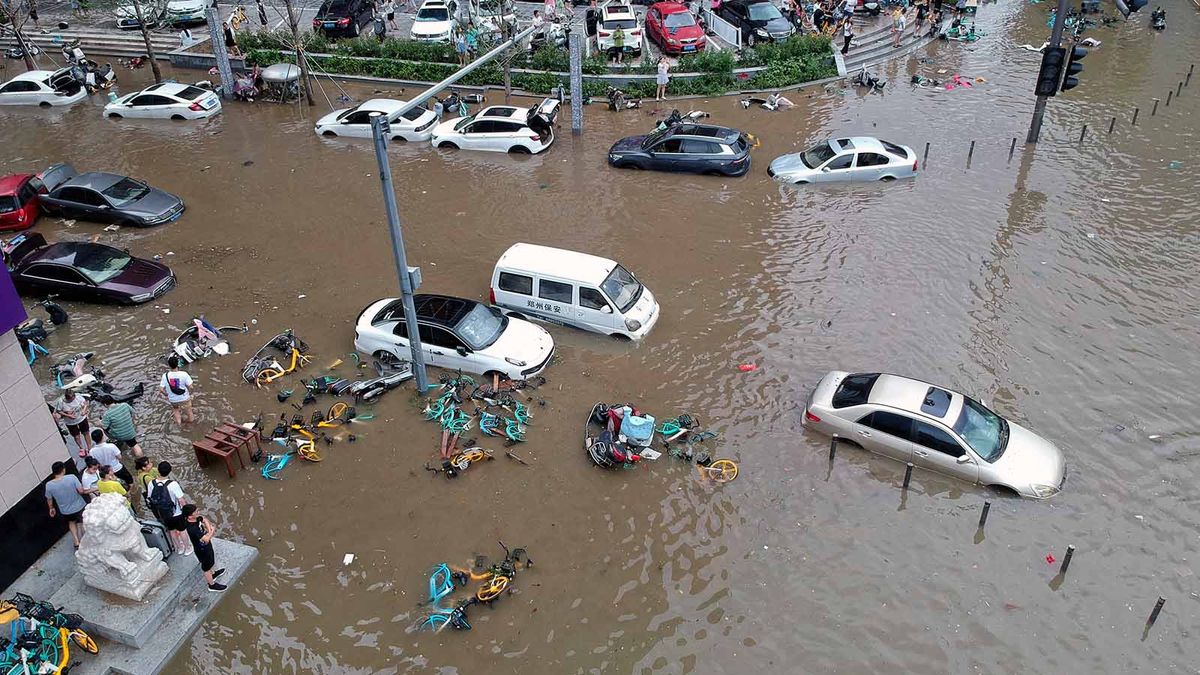
Flash floods are among the most dangerous natural disasters known to man. Unlike gradual floods that occur over days or weeks, flash floods strike suddenly and violently, often leaving communities with little or no time to respond. Defined as rapid flooding of low-lying areas—such as riverbeds, urban streets, and valleys—flash floods can happen within six hours of the causative event, and sometimes in just minutes.
These floods typically occur when a large amount of rain falls over a short period of time, especially when the ground is already saturated or impervious to water due to urbanization. Flash floods can carry walls of water between 10 to 20 feet high, sweeping away cars, buildings, bridges, and anything in their path.
Despite their speed and destruction, flash floods remain underestimated, particularly in regions that don’t see frequent heavy rains. But with climate change increasing the frequency of extreme weather events, understanding the causes, effects, and prevention strategies of flash floods is now more crucial than ever.
Page 2: Causes of Flash Floods
Flash floods are primarily triggered by a sudden and excessive accumulation of water, but several specific factors often work together to create the conditions necessary for one to occur:
1. Heavy Rainfall
Intense thunderstorms, especially in tropical or monsoon regions, can dump vast amounts of rain in a short time. When the volume of rain exceeds the soil’s absorption capacity or the drainage system’s limits, water begins to collect and flow dangerously.
2. Urbanization
Cities and towns filled with concrete, asphalt, and other impermeable surfaces prevent rainwater from being absorbed into the ground. Instead, water flows over surfaces rapidly, overwhelming storm drains and leading to urban flash flooding.
3. Topography
Areas with steep slopes, narrow valleys, or river canyons are particularly prone to flash flooding. Water runs downhill fast and with force, often with devastating consequences for communities situated below.
4. Blocked Drainage Systems
Clogged or poorly maintained drainage infrastructure—culverts, gutters, and sewer systems—can worsen flooding by preventing water from escaping built-up areas.
5. Dam and Levee Failures
Structural failures of dams or levees can result in sudden surges of water downstream, mimicking or even exceeding the power of a natural flash flood.
6. Snowmelt and Ice Jams
In colder regions, rapid snowmelt or sudden ice jams on rivers can cause water to accumulate and break loose with great force.
Page 3: Devastating Effects of Flash Floods
The aftermath of a flash flood can be both tragic and costly. Its impacts are often sudden, widespread, and long-lasting, especially for vulnerable communities.
1. Loss of Life
Flash floods are responsible for hundreds of deaths annually worldwide. The sudden nature of the event, often occurring at night or with little warning, increases the risk to life, particularly for those living near rivers or in poorly planned urban areas.
2. Destruction of Property and Infrastructure
Vehicles are swept away, homes are destroyed, roads are eroded, and public utilities like power lines and water supplies are damaged. In many cases, entire neighborhoods are left uninhabitable for weeks or months.
3. Economic Disruption
Small businesses, farms, and industries suffer losses from equipment damage and lost inventory. Insurance claims soar, and rebuilding costs place immense strain on both government and private resources.
4. Environmental Damage
Floodwaters often carry debris, waste, and pollutants, contaminating rivers, lakes, and underground water sources. Soil erosion and destruction of wildlife habitats also occur.
5. Health Hazards
Standing floodwaters become breeding grounds for mosquitoes and waterborne diseases like cholera, typhoid, and dysentery. The lack of clean water and sanitation facilities worsens public health outcomes, especially in rural areas.
Page 4: Preventing Disaster — Preparation and Mitigation
While flash floods can’t always be stopped, their damage can be minimized through planning, awareness, and infrastructure investment. Preventing disaster means a combination of personal readiness, community planning, and government action.
1. Early Warning Systems
Modern weather forecasting tools and real-time monitoring of rainfall, rivers, and dams can help issue alerts hours before a flood hits. These systems must be accessible, reliable, and well-communicated to the public, especially in rural areas.
2. Urban Drainage Planning
Governments must invest in effective stormwater management, including the construction of wider drainage channels, flood control reservoirs, and permeable pavements that allow water to seep into the ground rather than pool on surfaces.
3. Reforestation and Land Use Management
Trees and vegetation absorb rainfall, slow runoff, and stabilize soil. Preventing deforestation and regulating construction in flood-prone zones can reduce flash flood risks significantly.
4. Public Education and Community Drills
People must be taught what to do before, during, and after a flash flood. Regular drills, signage, and community sensitization can save lives by making sure people know escape routes, safe zones, and emergency contacts.
5. Personal Preparedness
Every household should have an emergency plan, including a packed “go-bag” with essentials such as food, water, medicine, and documents. Avoiding flood-prone areas and staying updated via weather alerts are also critical actions.
Flash floods may be unpredictable, but they are not entirely uncontrollable. By understanding what causes them, recognizing their devastating effects, and embracing proactive prevention strategies, lives can be saved, properties protected, and communities strengthened. In an age of climate uncertainty, massive preparation is no longer optional—it’s essential.