By Gloria Nosa

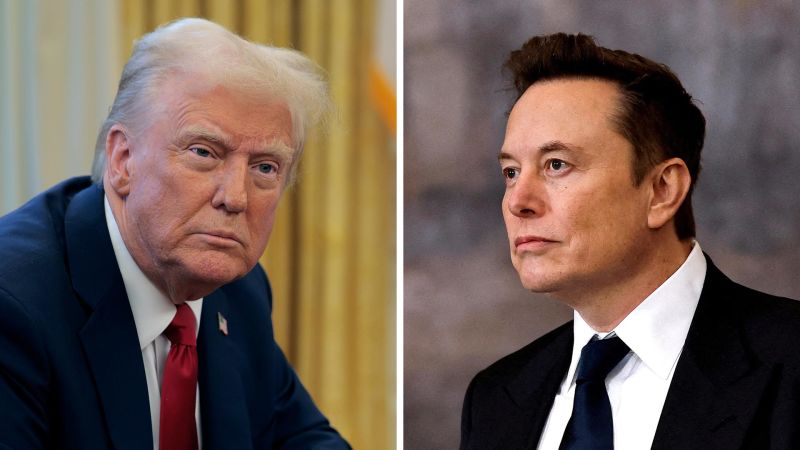
The public feud between former President Donald Trump and billionaire entrepreneur Elon Musk has intensified dramatically in 2025, triggering political, economic, and legal questions about whether Musk—founder of Tesla, SpaceX, Neuralink, and xAI—can withstand federal threats and ultimately move his companies out of the United States. While the idea of a full corporate exodus may sound extreme, the situation is not without precedent or significant implications.
The Trigger: Musk vs. Trump’s Economic Agenda
In June 2025, Elon Musk sharply criticized Trump’s proposed $2.5 trillion “America First” tax-and-spending bill, calling it “an economic suicide note” and “dangerous for American innovation.” The bill includes deep spending cuts, slashed EV subsidies, and increased taxes on multinational tech companies. Musk, whose companies benefit from both federal contracts and innovation incentives, immediately became a target.
In retaliation, Trump responded with a series of escalating threats, including:
-
Revoking SpaceX and Tesla’s federal contracts
-
Investigating Musk’s citizenship and naturalization
-
Pushing for a rollback of EV subsidies that favor Tesla and other automakers
-
Labeling Musk a “disloyal immigrant” and implying he should “return to South Africa”
These statements sent shockwaves across the tech and political worlds.
Musk’s American Empire: How Dependent Are His Companies on the U.S.?
Tesla
-
Headquarters: Austin, Texas (moved from California in 2021)
-
Major U.S. factories: Giga Nevada, Giga Texas, Fremont factory in California
-
EV tax credits: Tesla received billions in government-backed incentives since 2008
-
Regulatory Credits: $1.79 billion earned in 2024 alone
SpaceX
-
Launch sites: Cape Canaveral, Florida and Starbase, Texas
-
Government contracts: $22 billion+ from NASA, U.S. Air Force, and the Space Development Agency
-
Major programs: NASA’s Commercial Crew Program, Starlink satellite internet, Pentagon defense launches
Neuralink and xAI
-
R&D based in the U.S., with close regulatory ties to the FDA and American data privacy laws
These companies are deeply embedded in the American industrial and regulatory ecosystem. SpaceX in particular is considered strategically critical to U.S. space and military interests.
Can Musk Legally Move His Companies Out of the U.S.?
Short answer: Partially — but not entirely.
Tesla
Tesla already operates gigafactories in Germany and China, which gives Musk room to shift production and R&D abroad if necessary. However, 70% of Tesla’s revenue still comes from North America, and much of its infrastructure is based in the U.S.
A full relocation would require:
-
Navigating complex tax and employment laws
-
Relinquishing or replacing U.S.-based manufacturing incentives
-
Facing backlash from shareholders, unions, and state governments
SpaceX
This is where Musk is locked in. Because SpaceX holds classified military and NASA contracts, it is heavily regulated under the International Traffic in Arms Regulations (ITAR). This makes relocating any part of the company’s space launch infrastructure out of the U.S. nearly impossible without triggering massive legal consequences.
“SpaceX is not like Tesla. It is a national asset, bound by laws that restrict its operations to U.S. soil,” noted space policy analyst Dr. Ethan Remis of MIT.
Could Trump Really Deport Musk?
Musk became a naturalized U.S. citizen in 2002, after emigrating from South Africa via Canada. Denaturalization is possible, but only in rare and extreme cases—typically involving fraud, terrorism, or war crimes.
“The idea that Musk could be deported is political theater,” said immigration attorney Rachel Uhlman. “Unless there’s proof he lied on his citizenship application, the legal bar is sky-high.”
Even conservative legal experts agree that Trump’s threats of deportation are largely symbolic and legally untenable.
Musk’s Countermoves: Repositioning Without Fleeing
Despite the heated rhetoric, Musk has already begun quietly preparing for political instability in the U.S.:
1. Corporate Reincorporation
In early 2025, Musk reincorporated both Tesla and SpaceX out of Delaware, citing concerns about “activist judges” and legal hostility. Tesla moved its corporate charter to Texas, a more business-friendly environment.
2. Factory Diversification
Tesla’s new gigafactory in Mexico is under construction and expected to be a global production hub. Musk has also hinted at expanding Starlink infrastructure in Africa and Southeast Asia.
3. AI and Chip Expansion Abroad
Musk’s AI ventures, including xAI, are reportedly exploring data centers in Europe and the UAE to reduce dependence on U.S. cloud infrastructure.
Market and Public Response
The feud has rattled investors:
-
Tesla stock fell over 12% in the week following Trump’s threats
-
Analysts downgraded SpaceX IPO expectations due to “political uncertainty”
-
Some political commentators worry Musk may retaliate by endorsing a third-party candidate or funding opposition campaigns
At the same time, public sympathy has leaned toward Musk, especially among independent voters and moderates who see Trump’s actions as politically motivated bullying.
In Totality, Can Musk Survive and Move?
Yes, Musk can survive Trump’s threats—but not by fleeing the U.S. entirely.
He has the resources, international operations, and legal protections to mitigate political fallout. However, moving his core companies away from America is not feasible, especially for SpaceX, which is legally and functionally tethered to U.S. soil due to its federal and military partnerships.
Instead, Musk will likely continue diversifying his operations internationally, minimizing reliance on U.S. subsidies, and leveraging public opinion to pressure any administration—Trump’s or otherwise—not to follow through on threats that would damage American innovation.
Bottom Line:
Musk can’t run—but he can outmaneuver. And that may be all he needs to survive.