

By Geradine Ohonba
Health Editor/Columnist
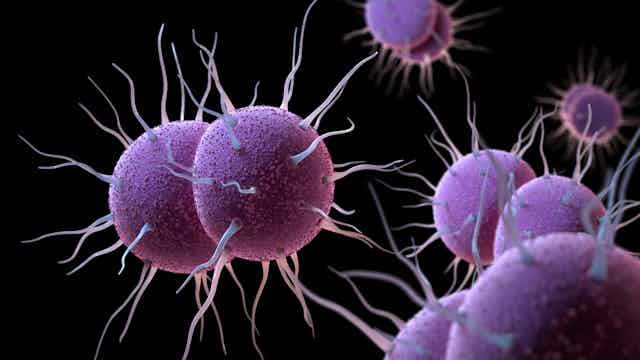
Gonorrhea, a common sexually transmitted infection (STI) caused by the bacterium Neisseria gonorrhoeae, continues to pose a major global public health challenge. With rising antibiotic resistance and increasing infection rates, many are now asking a critical question: Is there a vaccine for gonorrhea?
The short answer is no — not yet. As of now, there is no approved vaccine specifically designed to prevent gonorrhea. However, scientists and public health experts are working aggressively to change that, especially as the infection becomes harder to treat with standard antibiotics.
Why a Gonorrhea Vaccine Is Urgently Needed
Gonorrhea affects millions of people each year worldwide. In many cases, it causes painful symptoms such as burning during urination, genital discharge, and pelvic pain. However, it can also be asymptomatic, particularly in women, making early detection difficult. Left untreated, it can lead to serious complications, including infertility, pelvic inflammatory disease (PID), and an increased risk of HIV transmission.
More alarming is the rise of antibiotic-resistant strains of Neisseria gonorrhoeae. The World Health Organization (WHO) has labeled gonorrhea as a “priority pathogen” due to its ability to quickly evolve resistance to almost every class of antibiotics used to treat it.
This growing resistance has made the need for a preventive vaccine more urgent than ever.
The Science Behind a Potential Vaccine
Developing a vaccine for gonorrhea has proven extremely challenging. The bacterium is highly adaptable, capable of changing its surface proteins rapidly, which helps it evade the body’s immune system. This biological trickery makes it difficult for scientists to identify stable targets for a vaccine.
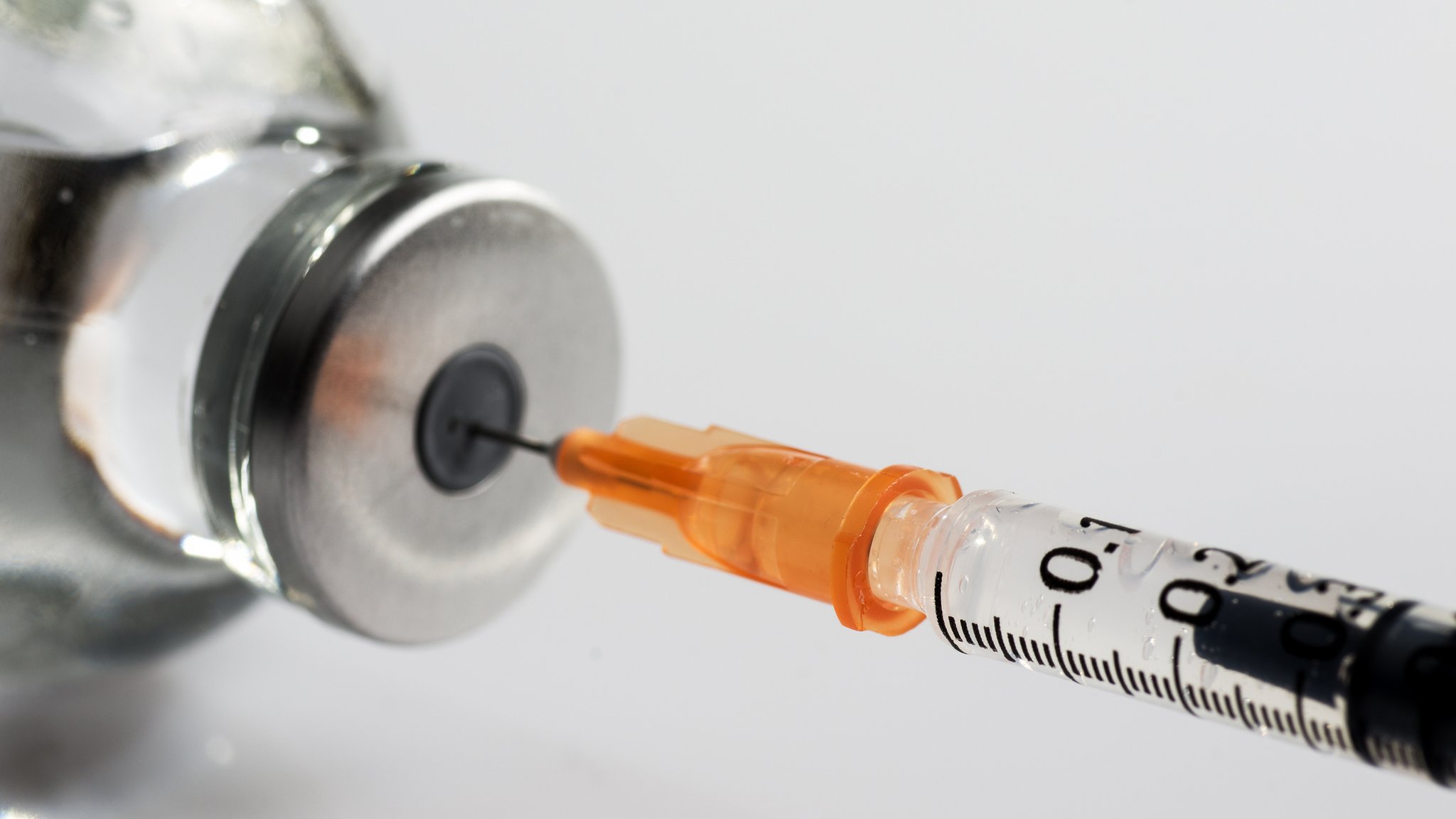
However, there’s hope on the horizon. In recent years, researchers discovered that people who received the MenB vaccine — originally developed to protect against meningococcal group B infections — appeared to have a reduced risk of contracting gonorrhea. This accidental protection has inspired new studies aimed at modifying and testing the MenB vaccine as a potential gonorrhea vaccine.
In 2023, pharmaceutical company GlaxoSmithKline (GSK) announced clinical trials for a gonorrhea-specific vaccine, and other biotech firms are also actively involved in similar research. While progress is promising, experts caution that it may still take several years before a safe, effective gonorrhea vaccine becomes available to the public.
What You Can Do in the Meantime
While we wait for a vaccine, prevention and regular testing remain key to controlling gonorrhea:
-
Practice safe sex by using condoms or dental dams.
-
Get tested regularly, especially if you have multiple partners or suspect exposure.
-
Promptly treat any infections and notify sexual partners so they can be tested and treated as well.
-
Avoid self-medicating and always complete prescribed antibiotic treatments.
The Bottom Line
There is currently no approved vaccine for gonorrhea, but scientific research is making promising strides toward one. As antibiotic resistance continues to grow, a vaccine could be a game-changer in the fight against this increasingly stubborn infection. Until then, safe sexual practices and regular screenings remain the best tools for protection.
Stay informed, stay safe, and stay hopeful — science is on the case.

