

By Geradine Ohonba
Health Editor/Columnist
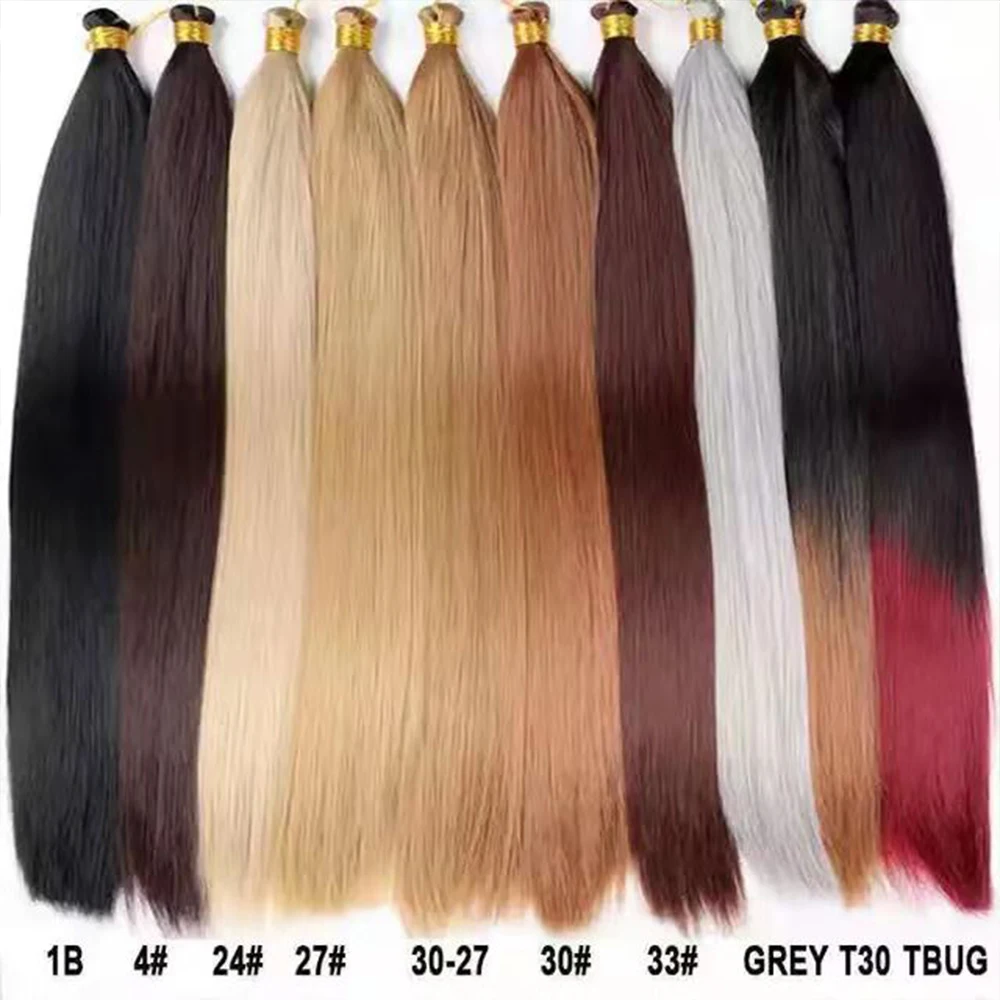
What began as a beauty trend has quietly grown into a booming billion-naira industry — and now, a public health concern. Nigerians are spending an estimated $429 million annually on synthetic hair, with the demand for braids, wigs, and extensions at an all-time high. But health experts are raising red flags, warning that the very products enhancing women’s appearance could be silently endangering their lives.
Synthetic hair, largely imported from Asia, is often made from plastic-based fibers such as acrylic, polyester, and PVC. These materials are not only flammable but also laced with chemicals that have been linked to serious health risks — including cancer, hormonal disruption, and infertility.
A Growing Industry, a Hidden Threat
From Lagos to Abuja, synthetic hair is big business. Markets overflow with colorful packs of braiding hair, while salons across the country stay busy attending to clients eager to stay on-trend. Yet beneath the beauty lies a toxic truth. Studies conducted in the U.S., Europe, and more recently in Africa have revealed that many of these synthetic fibers release harmful gases when heated or exposed to prolonged wear.
Hairdressers often use hot water to “seal” braids or apply heat styling tools on synthetic wigs — unknowingly exposing themselves and their clients to toxic fumes. “These fumes contain volatile organic compounds (VOCs), including toluene and styrene, which are known carcinogens,” explains Dr. Ifeoma Okonkwo, a public health specialist in Lagos. “Regular exposure, especially in poorly ventilated salons, can lead to long-term health complications.”
Fertility at Risk
Beyond cancer concerns, the hormonal effects of synthetic hair chemicals are just as alarming. Phthalates — a group of chemicals commonly found in plastic products, including synthetic hair — are endocrine disruptors. This means they can interfere with the body’s hormone systems, potentially causing reproductive issues.
“There’s growing evidence linking endocrine-disrupting chemicals to decreased fertility in women, irregular menstrual cycles, and even early onset of puberty in young girls,” says Dr. Okonkwo. “For women who wear synthetic hair frequently, especially without proper scalp care, the risks are not negligible.”
Lack of Regulation and Consumer Awareness
One of the major problems fueling this health crisis is Nigeria’s weak regulation of cosmetic imports. Many synthetic hair products flood the market with little to no safety checks, labeling, or consumer warnings. This makes it almost impossible for buyers to know what chemicals they’re exposing themselves to.
“There is no enforced policy that demands full disclosure of chemical content in hair extensions sold in Nigeria,” says Ngozi Chika, a consumer rights advocate. “Many products don’t even have proper labels. It’s a public health oversight.”
Additionally, limited awareness means most Nigerians have no idea that their everyday beauty routines could be harming them. “We focus on how it looks and not what it contains,” says Uche, a regular customer at a popular Lagos salon. “I never thought something as common as braid extensions could be dangerous.”
What Can Be Done?
Experts say public education is critical. Salons and consumers must be made aware of the health risks and encouraged to adopt safer practices — such as reducing prolonged wear, avoiding heat treatments on synthetic hair, and choosing natural alternatives when possible.
Some also advocate for stronger government regulation, including mandatory safety testing, transparent labeling, and a ban on high-risk chemicals in imported beauty products.
In the meantime, natural hair movements and organic product advocates are gaining traction, encouraging Nigerian women to embrace safer, chemical-free hair choices. However, cost and convenience remain barriers for many.
The Price of Beauty
Nigeria’s synthetic hair market may continue to thrive, but the health cost is becoming too great to ignore. As more research emerges and awareness grows, the conversation is shifting — from aesthetics to accountability.
Beauty should never come at the expense of well-being. For Nigeria’s millions of hair extension users, the question now isn’t just “Does it look good?” — but also, “Is it safe?”


