By Jide Francis
Society Page Editor
From Faulty Wiring to Poor Installation: Causes of Roof Solar Panel Fires
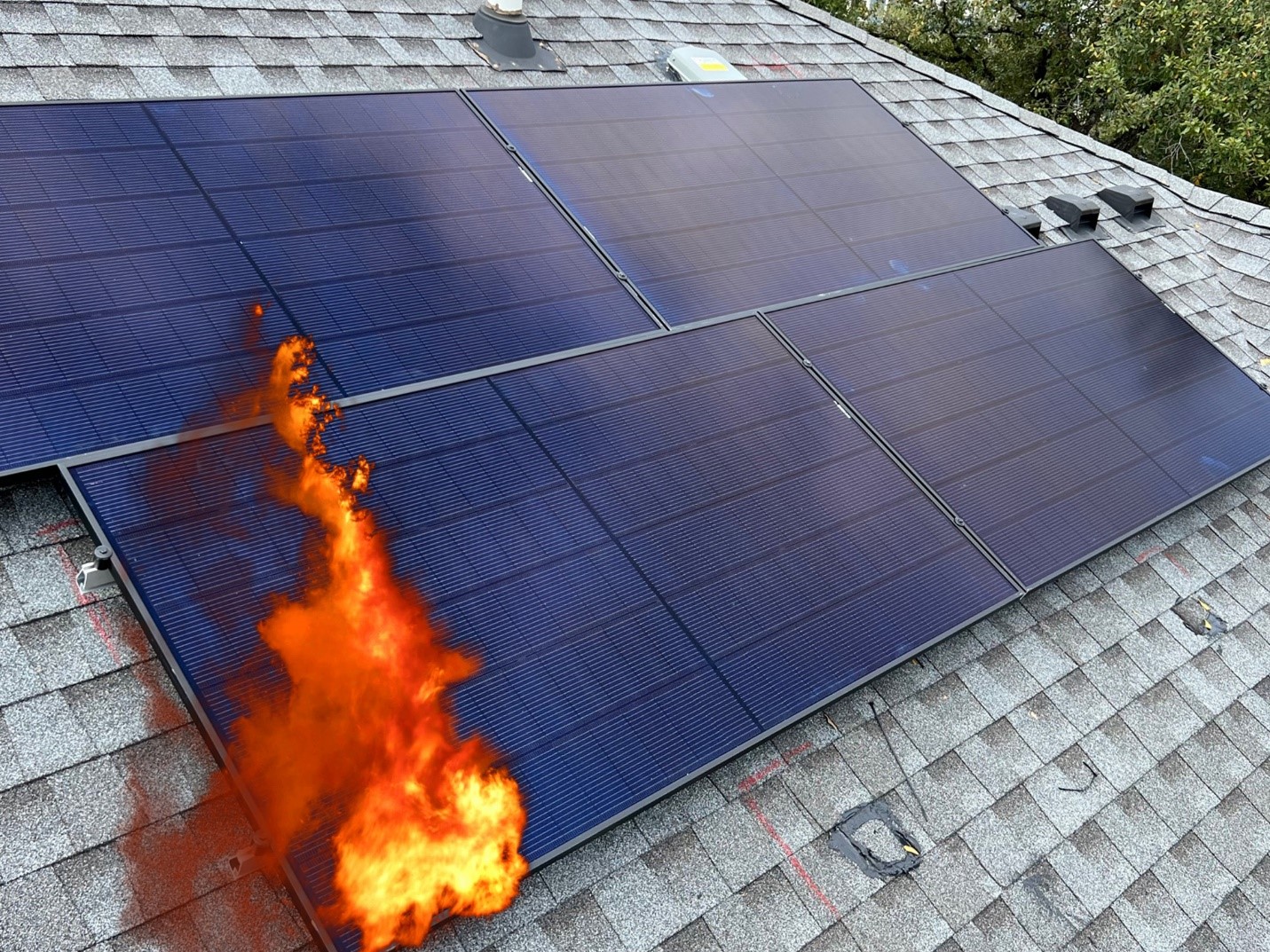
The adoption of rooftop solar panels has surged globally over the last decade as households and businesses embrace renewable energy for its environmental and economic benefits. In Nigeria and many other countries, the promise of reduced electricity bills and cleaner power has made solar energy an attractive option. However, like any electrical system, solar panels come with certain risks—one of the most concerning being the potential for fire.
Although solar panel fires are relatively rare compared to other household electrical hazards, the consequences can be devastating when they occur. Understanding why these fires happen and how they can be prevented is crucial for homeowners, installers, and regulators.
The Leading Causes of Solar Panel Fires
1. Faulty Wiring and Electrical Arcs
Electrical wiring is the lifeline of a solar system, carrying the energy produced by the panels to the inverter and then into the home’s electrical grid. When wires are poorly connected, damaged, or exposed, they can cause electrical arcing—sparks that jump between conductive surfaces. These arcs can quickly ignite surrounding materials, especially if they occur near wooden roof structures or accumulated debris.
Wiring faults may be present from the day of installation due to sloppy workmanship, or they can develop over time as cables degrade from exposure to sunlight, wind, and rain. In Nigeria’s harsh weather conditions—particularly during the dry season—cables are also vulnerable to overheating.
2. Poor Installation Practices
A significant number of solar panel fires are traced back to unqualified or inexperienced installers. Poor installation can include:
-
Loose or insecure mounting frames, causing panels to shift and strain wiring.
-
Insufficient ventilation, allowing heat to build up beneath the panels.
-
Panels placed too close to flammable roofing materials.
-
Incorrect inverter placement that increases heat exposure.
In many cases, installers rush to complete jobs to cut costs, ignoring manufacturer instructions or safety guidelines. This not only raises the risk of fire but also reduces the system’s efficiency and lifespan.
3. Use of Substandard or Damaged Components
Another frequent cause of rooftop solar fires is the use of cheap, substandard, or counterfeit components. Inverters, connectors, and junction boxes that fail to meet safety standards are prone to overheating or short-circuiting.
Even high-quality parts can become hazardous if damaged during transport or installation. For example, a cracked panel surface can allow moisture to seep into the electrical system, corroding contacts and creating short circuits that may eventually ignite.
4. Environmental Factors and Debris Accumulation
Solar panels are exposed to the elements year-round, which means natural factors can contribute to fire risks:
-
Dry leaves, twigs, and bird nests lodged beneath panels can act as fuel if a spark occurs.
-
Extreme heat can accelerate the breakdown of plastic insulation and other protective materials.
-
Pest interference, such as rodents chewing on wires, can expose live conductors.
Without regular cleaning and inspection, these hazards can go unnoticed until it’s too late.
High-Profile Examples and Lessons Learned
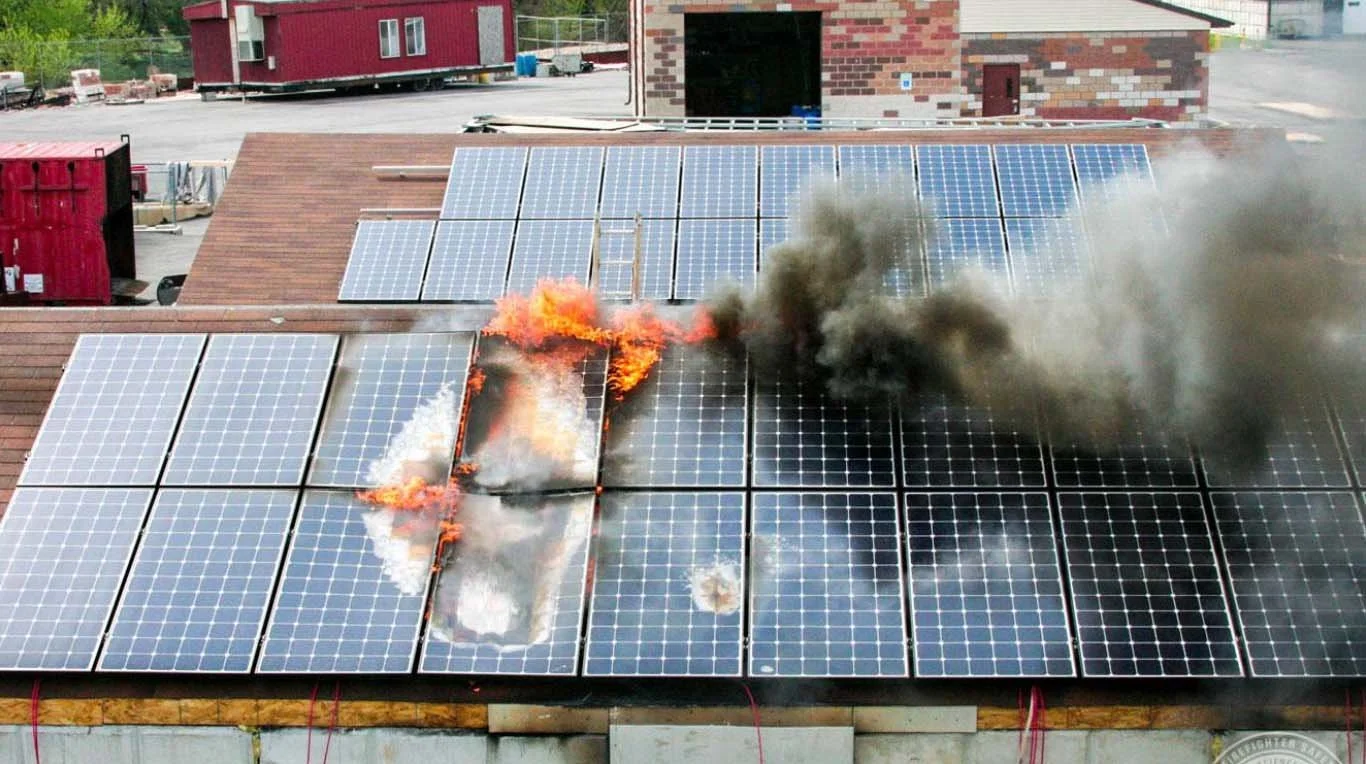
Globally, several incidents have underscored the importance of proper installation and maintenance. In the UK, a 2018 warehouse fire was traced to faulty solar panel wiring. In Australia, fire authorities have reported dozens of rooftop solar-related fires annually, often linked to cheap connectors or poor workmanship.
While Nigeria has yet to see widespread reporting of such cases, the growing adoption of solar energy—especially in urban and commercial buildings—means it’s only a matter of time before fire risks become a more visible concern if safety measures are not prioritised.
Preventing Solar Panel Fires: Best Practices
1. Hire Certified and Experienced Installers
The most important step in preventing rooftop solar fires is choosing qualified professionals. Homeowners should:
-
Ask for installer certifications and proof of training.
-
Check reviews and request references from past clients.
-
Avoid installers who cut costs by bypassing safety protocols.
2. Use Quality, Approved Components
Only purchase solar panels, inverters, and connectors that meet international safety standards (such as IEC or UL certifications). Avoiding cheap, counterfeit products may cost more initially but drastically reduces the risk of failure.
3. Schedule Regular Inspections
Experts recommend inspecting solar systems at least once a year. A professional inspection should:
-
Check for loose wires and corroded contacts.
-
Test voltage and thermal readings to detect overheating.
-
Identify signs of wear caused by weather exposure.
4. Keep the Panel Area Clean and Clear
Clearing away leaves, twigs, and other debris from beneath and around panels reduces fire fuel. Bird deterrents can also help prevent nesting that blocks ventilation.
5. Ensure Proper Ventilation
Panels should be installed with adequate space beneath them to allow air circulation, which helps dissipate heat. Overheating is one of the key accelerators of electrical fires in rooftop systems.
6. Report and Repair Faults Immediately
If you notice unusual smells, sparks, smoke, or panel discoloration, shut down the system and call a qualified technician immediately. Ignoring minor faults can lead to catastrophic failures.
The Bottom Line
Solar energy remains one of the safest and most sustainable technologies available for homes and businesses, but safety must never be an afterthought. Faulty wiring, poor installation, substandard components, and environmental neglect are all preventable causes of rooftop solar fires.
With proper installation, regular inspections, and adherence to safety standards, homeowners can enjoy the full benefits of solar energy—lower bills, cleaner power, and peace of mind—without the fear of watching their investment go up in smoke.