

By John Umeh
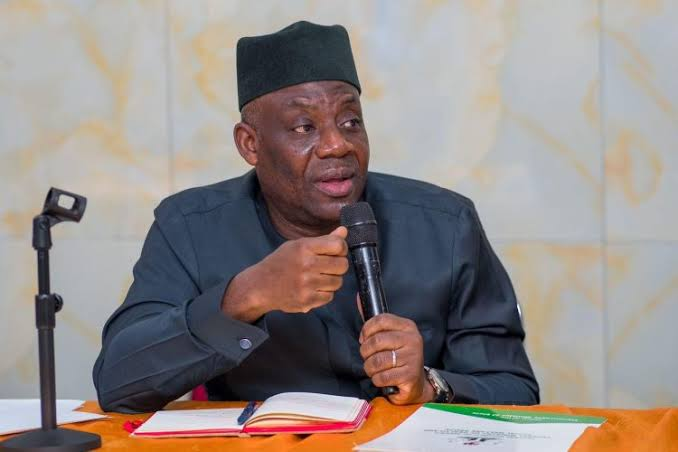
The Federal Government has announced a sweeping policy decision to halt the creation of new tertiary institutions in Nigeria for the next seven years. This moratorium applies to universities, polytechnics, and colleges of education, both at the federal and state levels, and will remain in effect until at least 2032.
The move, which was disclosed by the Minister of Education, is aimed at addressing the pressing challenges facing the country’s existing higher institutions. According to the government, the priority over the coming years will be to strengthen infrastructure, improve academic standards, and ensure better funding and management for schools already in operation.
“We cannot continue to expand the number of institutions without first addressing the decay and underfunding in the ones we already have,” the Minister stated. “Our goal is to consolidate, improve quality, and create an environment where students can receive world-class education without the current limitations.”
The announcement comes amid concerns over Nigeria’s struggling tertiary education sector, which has been plagued by inadequate facilities, overpopulation, insufficient funding, and frequent industrial actions by staff unions. Experts argue that the proliferation of poorly equipped institutions in recent years has worsened the quality of graduates entering the workforce.
Under the new policy, proposals for establishing new universities, polytechnics, or colleges of education will not be entertained until the moratorium lapses. The government, however, noted that private institutions already in the process of securing operational licenses will be thoroughly vetted to ensure they meet the highest standards before approval is granted.
Reactions to the decision have been mixed. While many education stakeholders have welcomed the pause as a chance to focus on quality over quantity, others fear it may limit access to higher education for the growing population of young Nigerians seeking admission.
The Federal Government insists that the measure is a necessary step toward revitalizing the sector, promising that during the freeze period, significant investments will be made in upgrading facilities, recruiting qualified lecturers, and enhancing research capabilities across existing institutions.

