

By Geradine Ohonba
Health Editor/Columnist
The Silent Epidemic of Our Time
Dementia is increasingly becoming one of the most feared health conditions of the 21st century. Often described as a “silent thief of memory and independence”, it is not a single disease but a collection of symptoms that affect the brain, gradually interfering with memory, thinking, behavior, and the ability to carry out daily activities. Millions of people worldwide are living with dementia, and the numbers are expected to rise dramatically in the coming decades as populations age.
Despite its prevalence, many people still mistake dementia for a “normal” part of aging. The truth, however, is that while age is a significant risk factor, dementia is not inevitable. Understanding the signs, recognizing at-risk age groups, and adopting preventive strategies can go a long way in reducing its impact.
This write-up explores dementia in detail — what it is, how it shows up, the age groups most at risk, and the practical steps you can take to protect your brain health.
What Exactly is Dementia?
Dementia is not a specific disease but rather a broad term that describes a decline in cognitive function severe enough to interfere with daily life. It involves the progressive deterioration of memory, reasoning, communication skills, and the ability to perform basic tasks.
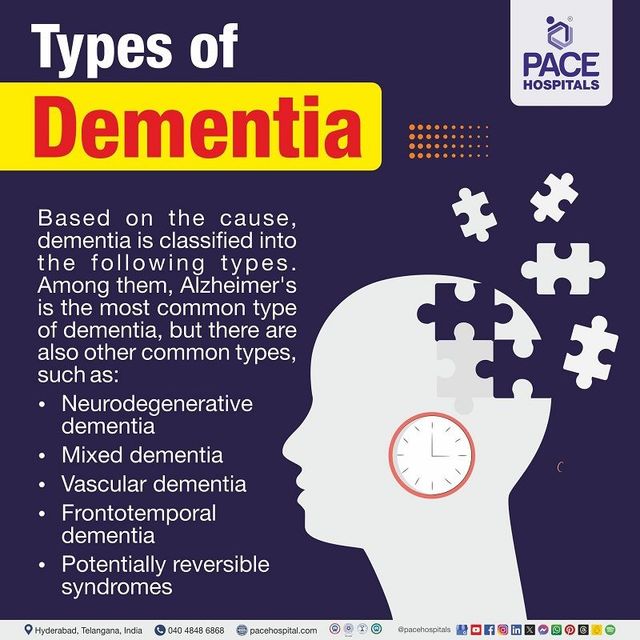
The most common form of dementia is Alzheimer’s disease, which accounts for about 60–70% of cases worldwide. Other types include vascular dementia, Lewy body dementia, and frontotemporal dementia.
Dementia develops when healthy brain cells are damaged, lose connections, or die. Over time, this leads to brain shrinkage and impaired communication between brain cells.
Early Signs and Symptoms of Dementia
Recognizing dementia in its early stages can be challenging, as the symptoms often mimic normal aging or stress-related memory lapses. However, the persistence and severity of these signs are what set dementia apart. Key early warning signs include:
-
Memory loss that disrupts daily life – Forgetting important dates, events, or recently learned information and needing to rely on reminders frequently.
-
Difficulty planning or solving problems – Struggling with tasks such as following a recipe, paying bills, or making decisions.
-
Confusion about time and place – Losing track of dates, seasons, or forgetting how they got somewhere.
-
Trouble with language and communication – Finding it hard to follow conversations, repeat themselves often, or struggle to find the right words.
-
Poor judgment and decision-making – Giving away large sums of money, neglecting personal hygiene, or falling victim to scams.
-
Misplacing items frequently – Putting things in unusual places (like placing keys in the freezer) and being unable to retrace steps.
-
Withdrawal from social activities – Avoiding hobbies, conversations, or gatherings due to difficulty in keeping up.
-
Changes in mood and personality – Becoming easily irritable, anxious, suspicious, or depressed.
If two or more of these symptoms persist and begin to affect independence, it is important to seek medical evaluation.
What Age Does Dementia Affect?
Dementia primarily affects older adults, but it is not limited to them.
-
Early-Onset Dementia (before age 65): Although rare, some individuals develop symptoms in their 40s or 50s. This form is often linked to genetic factors.
-
Late-Onset Dementia (65 and above): The majority of cases occur in people aged 65 and older. The risk doubles approximately every five years after age 65.
-
Over 85 years: Nearly one-third of individuals in this age group live with some form of dementia.
It is important to note that mild forgetfulness is common with age, but dementia is much more severe, progressive, and disabling.
Risk Factors: Who Is More Likely to Develop Dementia?
Certain factors increase the likelihood of developing dementia, including:
-
Age: The strongest risk factor.
-
Family history: Having close relatives with dementia can increase the risk.
-
Cardiovascular health: High blood pressure, diabetes, obesity, and smoking damage brain blood vessels, raising dementia risk.
-
Head injuries: Repeated head trauma may trigger later dementia.
-
Lifestyle: Sedentary living, unhealthy diets, and excessive alcohol use can all contribute.
-
Poor mental stimulation: Lack of lifelong learning, reading, or mentally engaging activities may accelerate cognitive decline.
How to Prevent Dementia: Protecting Your Brain Health
Although there is currently no cure for dementia, prevention and lifestyle changes can significantly lower the risk or delay its onset. Here are evidence-based strategies:
1. Stay Physically Active
Regular exercise improves blood flow to the brain and reduces the risk of cardiovascular problems that contribute to dementia. Activities like walking, swimming, cycling, or yoga can keep both the body and mind fit.
2. Eat a Brain-Healthy Diet
Adopt diets rich in fruits, vegetables, whole grains, fish, and nuts. The Mediterranean and DASH diets have been proven to reduce cognitive decline. Limit processed foods, red meats, and sugar.
3. Engage in Mental Exercises
Keep your brain active by reading, solving puzzles, playing chess, learning a new language, or practicing a musical instrument. Continuous learning builds cognitive reserve, which helps the brain resist damage.
4. Maintain Social Connections
Loneliness and isolation are linked to faster cognitive decline. Stay connected with friends, join community activities, or volunteer to keep the mind stimulated.
5. Manage Health Conditions
Control high blood pressure, diabetes, and cholesterol. Take medications as prescribed and go for regular medical checkups.
6. Prioritize Good Sleep
Poor sleep quality, especially sleep disorders like sleep apnea, is associated with higher dementia risk. Aim for 7–9 hours of restful sleep per night.
7. Protect Your Head
Wear helmets when cycling or riding a motorcycle, and prevent falls in older age to avoid traumatic brain injury.
8. Avoid Harmful Substances
Quit smoking, limit alcohol, and avoid recreational drugs that can damage the brain.
Living With Dementia: Hope and Support
For those already living with dementia, early diagnosis and supportive care are essential. Medications may help manage symptoms, while occupational therapy, memory training, and structured routines improve quality of life. Equally important is support for caregivers, who often face physical and emotional challenges while caring for loved ones.
Conclusion: Building a Dementia-Resistant Future
Dementia may not be entirely preventable, but it is not an inevitable part of aging either. By recognizing the signs early, understanding at-risk age groups, and adopting brain-healthy lifestyle choices, individuals can reduce their risk and preserve their independence longer.
Governments, health institutions, and communities must also step up — investing in awareness campaigns, early screenings, and support systems for patients and caregivers.
Ultimately, protecting brain health requires a lifetime of care — nourishing the mind, body, and spirit. The earlier we start, the stronger our defense against the silent thief of memory.


