

By Deji Osas
A Milestone for Proton and Nepal
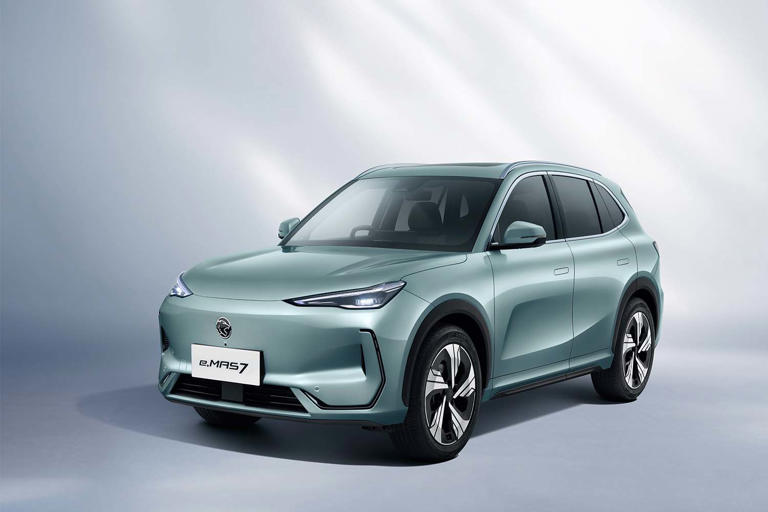
Malaysian car manufacturer Proton has taken a bold step forward in both its global expansion and the transition toward sustainable mobility by officially launching its first electric vehicle (EV) in Nepal. The debut, held in Kathmandu, represents not just a commercial rollout but a milestone in Malaysia-Nepal automotive relations. The event attracted government officials, automobile enthusiasts, industry stakeholders, and sustainability advocates eager to witness history as a Malaysian-made EV entered the Nepalese market for the first time.
Proton’s EV Journey: From Malaysia to the Global Stage
Proton, once synonymous with Malaysia’s push for a domestic car industry, has steadily transformed itself into a brand with regional influence. In recent years, the company has placed a growing emphasis on innovation, technology integration, and eco-friendly mobility. The launch in Nepal is a continuation of this trajectory, signaling Proton’s readiness to compete in the fast-evolving global EV market.
The EV model introduced in Nepal comes equipped with advanced lithium-ion battery technology, offering long driving ranges suitable for daily commuting as well as Nepal’s challenging terrains. Fast-charging capability, regenerative braking systems, and smart infotainment options highlight Proton’s commitment to marrying sustainability with modern automotive convenience.
Why Nepal? The Rising Demand for Electric Vehicles
Nepal’s automobile market has witnessed a noticeable shift in consumer interest, with electric vehicles gaining popularity due to environmental concerns and government incentives. With urban pollution rising and fuel import bills placing economic pressure on the country, Nepalese authorities have actively encouraged EV adoption. Tax breaks, reduced customs duties, and infrastructure investments have created a fertile ground for international automakers to introduce EVs.
Proton’s decision to launch in Nepal is therefore strategic. The market is not only receptive to green alternatives but also underserved, creating room for new entrants. By positioning itself early, Proton hopes to secure a foothold that will strengthen its presence in South Asia.
Building Infrastructure and Local Partnerships
A key challenge for EV adoption in emerging markets like Nepal is infrastructure. To address this, Proton is collaborating with local distributors and service providers to ensure that charging stations, spare parts, and after-sales services are readily available. By doing so, Proton aims to build consumer confidence in its EV brand.
“We are not just introducing a car — we are investing in an ecosystem,” a Proton executive remarked at the launch. “From sales to service to charging support, our goal is to make this transition as seamless as possible for Nepalese drivers.”
Nepal’s Policy Push for Clean Energy
The Nepalese government has prioritized clean energy transition policies, with EV adoption seen as central to reducing reliance on imported fossil fuels. With nearly 90% of Nepal’s electricity generated from hydropower, EVs represent a natural fit for the nation’s green agenda. By supporting Proton’s entry, Nepal underscores its commitment to aligning consumer choices with environmental sustainability.
Regional Implications: Malaysia’s Role in Asia’s Green Economy
Proton’s EV launch in Nepal is not just a bilateral moment — it also places Malaysia on the map of the global EV conversation. As more countries in Asia adopt green mobility solutions, Malaysia’s ability to design, produce, and export electric vehicles enhances its credibility as a player in the green economy. This could open doors for further regional collaborations, including joint ventures, research exchanges, and supply chain development.
Analysts predict that Proton’s success in Nepal could inspire other Malaysian automakers to enter international EV markets, gradually transforming Malaysia from a traditional auto-manufacturing hub into a regional leader in electric mobility.
Consumer Response and Market Outlook
The Nepalese market has already shown strong enthusiasm for electric vehicles from other international brands. With Proton entering the competition, buyers now have more choices, potentially driving prices lower and accelerating adoption rates. Early feedback suggests that consumers are particularly attracted to Proton’s blend of affordability, modern features, and after-sales support.
Industry experts estimate that Nepal’s EV market will grow steadily over the next decade, with potential for thousands of units sold annually as charging networks expand. Proton’s launch, therefore, positions it well for long-term growth in the region.
Conclusion: A Turning Point for Both Nations
The launch of Proton’s EV in Nepal signifies more than just the sale of a new vehicle — it represents a turning point in the pursuit of sustainable mobility in South Asia. For Malaysia, it is proof that homegrown innovation can compete abroad. For Nepal, it is another step toward achieving its clean energy goals. Together, the partnership highlights how international cooperation can drive meaningful change in the fight against climate change.
As the wheels of Proton’s EV roll onto Nepalese roads, they carry with them the promise of a future where technology, sustainability, and global partnerships converge to reshape mobility across Asia.

