

By Gloria Nosa
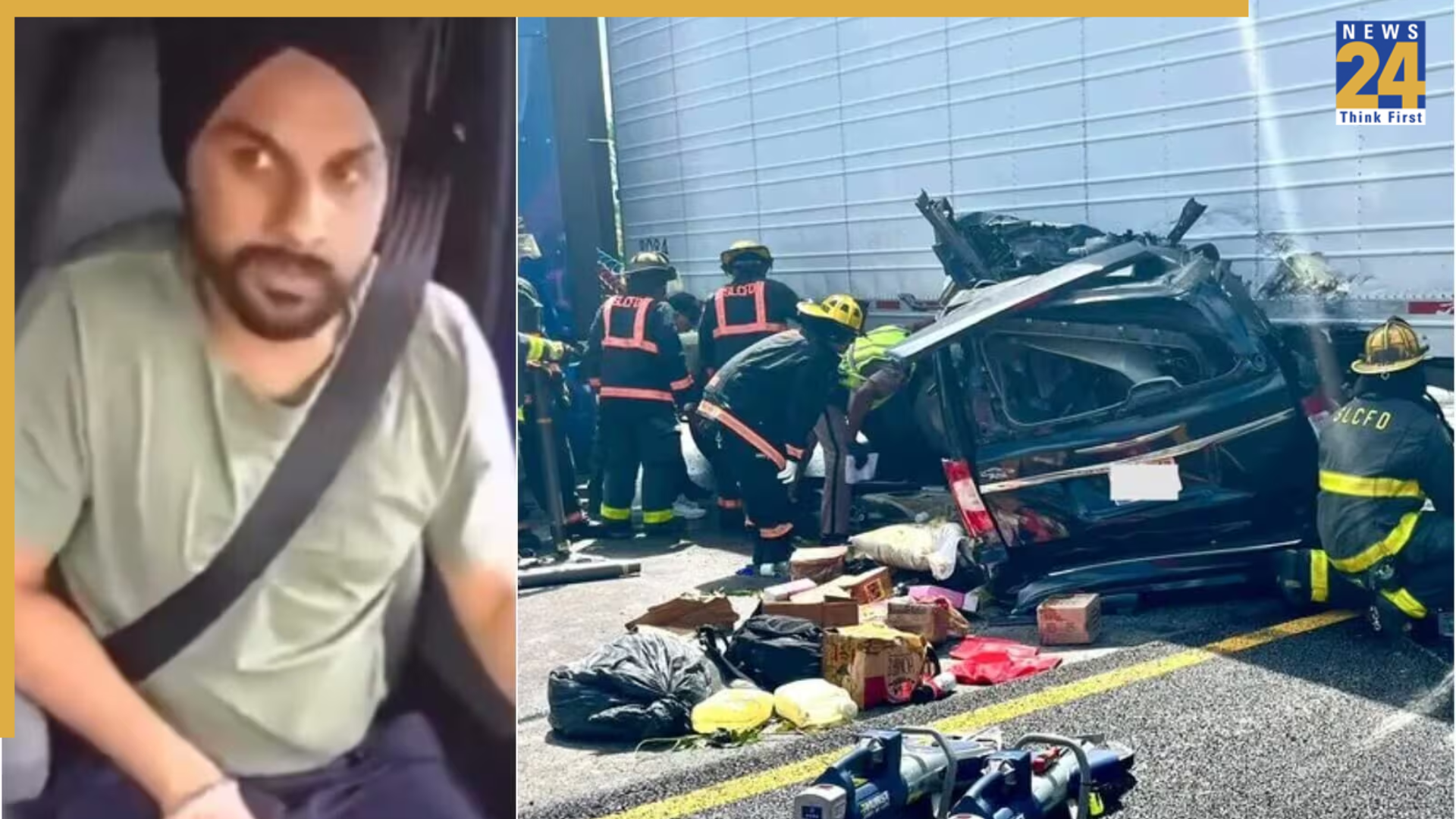
The United States government has suspended the issuance of visas for foreign truck drivers following a deadly highway crash that has reignited debate over road safety and the role of immigrant labor in the nation’s trucking industry.
The fatal collision, which occurred earlier this month, involved a foreign-licensed truck driver and resulted in multiple deaths and severe injuries. Preliminary investigations by the National Transportation Safety Board (NTSB) indicated driver fatigue and inadequate training as possible contributing factors. The tragedy has fueled public outcry and renewed calls for stricter oversight of foreign commercial drivers operating in the US.
In response, the Department of Homeland Security (DHS) and the Department of Transportation (DOT) jointly announced a temporary suspension of all visa categories that allow foreign nationals to work as commercial truck drivers. Officials said the measure would remain in place pending a comprehensive review of safety regulations, licensing standards, and training requirements.
“Public safety is our utmost priority,” Transportation Secretary Pete Buttigieg said in a press briefing. “Until we are confident that proper safeguards are in place, we are pausing the entry of foreign truck drivers to prevent further tragedies on American roads.”
The move has sparked mixed reactions across the trucking industry. While road safety advocates applauded the suspension as a necessary step to protect lives, logistics companies warned of looming disruptions in supply chains already struggling with labor shortages. The American Trucking Associations (ATA) estimates that the industry currently faces a shortfall of over 80,000 drivers, a gap partially filled in recent years by foreign workers.
Critics also raised concerns about the potential economic fallout. “The trucking sector is the backbone of America’s supply chain. Restricting foreign drivers without a long-term plan to boost domestic recruitment will worsen delivery delays and inflationary pressures,” said John Esparza, a transport industry analyst.
On the other hand, safety groups argue that the human cost outweighs economic considerations. “This is about lives, not just logistics,” said Deborah Hersman, a former NTSB chair. “We must ensure that every driver behind the wheel of an 18-wheeler on our highways is adequately trained, certified, and rested.”
As the investigation into the crash continues, lawmakers are expected to debate new legislation mandating uniform training standards, stricter background checks, and better enforcement of rest-hour regulations for all commercial drivers, whether domestic or foreign.
For now, the suspension underscores the Biden administration’s cautious approach in balancing safety with economic demands — a debate likely to intensify in the coming weeks.

