

In a trove of newly released documents from the U.S. Department of Justice (DOJ), Ghislaine Maxwell, the former British socialite convicted in 2021 for sex trafficking minors, offers a rare and candid account of her relationship with disgraced financier Jeffrey Epstein. The documents, consisting of interview transcripts and investigative reports, shed fresh light on a partnership that blurred the lines between romance, business, and complicity in one of the most infamous sex abuse scandals in modern history.
Maxwell, who is currently serving a 20-year prison sentence at a Florida correctional facility, was interviewed by federal investigators multiple times between 2016 and 2019. These sessions, previously sealed during the height of Epstein’s criminal proceedings, reveal how Maxwell sought to downplay her role while painting a complicated picture of life with the billionaire.
The Beginnings of a Controversial Bond
According to the reports, Maxwell described meeting Epstein in the early 1990s shortly after the death of her father, British media tycoon Robert Maxwell. Grieving and vulnerable, she said Epstein became both a benefactor and companion. “He was charming, intelligent, and seemed to understand me when my world had collapsed,” she reportedly told investigators.
Maxwell admitted their relationship was “not conventional,” alternating between intimacy and business dealings. She acknowledged that she helped Epstein manage his properties, social calendar, and philanthropic appearances, while also introducing him to influential figures across politics, finance, and academia. Investigators noted that Maxwell consistently emphasized her loyalty to Epstein, referring to him as a “partner in everything.”
Allegations of Abuse and Recruitment
The DOJ reports also detail Maxwell’s response to the allegations that she recruited and groomed young girls for Epstein. She denied orchestrating abuse but admitted that Epstein “liked to be surrounded by young women” and expected her to “arrange introductions.” When pressed, she called some of the accusers’ claims “fantastical” but conceded that Epstein’s behavior often “crossed boundaries.”
One investigator wrote: “Maxwell seemed evasive when questioned about her direct role in arranging encounters. She frequently shifted blame to Epstein while insisting she was unaware of the extent of his misconduct.”
The Shadow of Epstein’s Power
Maxwell also shed light on Epstein’s influence and the fear he instilled, even among his closest associates. “Jeffrey had an aura of control,” she said. “People depended on him financially, socially, and professionally. Walking away wasn’t easy.” The documents reveal that Maxwell herself felt trapped, describing Epstein as someone who “demanded absolute loyalty.”
She spoke about Epstein’s connections to world leaders and celebrities, noting that his wealth and power created an environment where people overlooked troubling behavior. “Many knew what was going on, but no one wanted to lose access,” she told investigators.
From Socialite to Inmate
The most striking portions of the DOJ reports detail Maxwell’s reflections on her own downfall. Once a fixture in high society circles, she is now a prisoner facing the weight of public scorn. “I lost everything—my name, my reputation, my freedom,” she reportedly said during one interview. “I became the face of Jeffrey’s sins.”
Her lawyers have long argued that she was scapegoated for Epstein’s crimes after his death in jail in 2019. Maxwell herself echoed this sentiment in the interviews, claiming that prosecutors were “determined to make me the symbol of accountability.”
Public Outrage and Ongoing Questions
The release of these DOJ documents has reignited public debate about the full scope of Epstein’s network and whether justice has truly been served. Many of Epstein’s powerful associates have never faced charges, leaving lingering questions about who enabled his crimes and how deep the conspiracy went.
For survivors of Epstein’s abuse, Maxwell’s words may come across as self-serving attempts to rewrite history. Advocates argue that her testimony underscores the need for continued investigations into the broader circle of enablers who allowed Epstein’s predatory empire to flourish.
Conclusion
“From Partner to Prisoner” captures the extraordinary fall of Ghislaine Maxwell, a woman once at the heart of elite society who became a central figure in one of the darkest scandals of the 21st century. The DOJ reports reveal a portrait of denial, dependency, and deflection—while also offering rare insight into how Epstein maintained his grip on those around him.
Whether Maxwell was a victim of Epstein’s influence or a willing accomplice remains a matter of public debate. What is clear, however, is that her transformation from partner to prisoner marks one of the most dramatic downfalls in modern history.
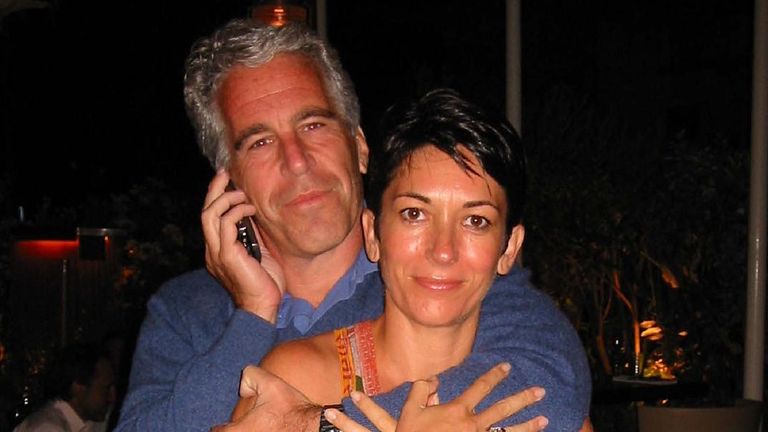
In a trove of newly released documents from the U.S. Department of Justice (DOJ), Ghislaine Maxwell, the former British socialite convicted in 2021 for sex trafficking minors, offers a rare and candid account of her relationship with disgraced financier Jeffrey Epstein. The documents, consisting of interview transcripts and investigative reports, shed fresh light on a partnership that blurred the lines between romance, business, and complicity in one of the most infamous sex abuse scandals in modern history.
Maxwell, who is currently serving a 20-year prison sentence at a Florida correctional facility, was interviewed by federal investigators multiple times between 2016 and 2019. These sessions, previously sealed during the height of Epstein’s criminal proceedings, reveal how Maxwell sought to downplay her role while painting a complicated picture of life with the billionaire.
The Beginnings of a Controversial Bond
According to the reports, Maxwell described meeting Epstein in the early 1990s shortly after the death of her father, British media tycoon Robert Maxwell. Grieving and vulnerable, she said Epstein became both a benefactor and companion. “He was charming, intelligent, and seemed to understand me when my world had collapsed,” she reportedly told investigators.
Maxwell admitted their relationship was “not conventional,” alternating between intimacy and business dealings. She acknowledged that she helped Epstein manage his properties, social calendar, and philanthropic appearances, while also introducing him to influential figures across politics, finance, and academia. Investigators noted that Maxwell consistently emphasized her loyalty to Epstein, referring to him as a “partner in everything.”
Allegations of Abuse and Recruitment
The DOJ reports also detail Maxwell’s response to the allegations that she recruited and groomed young girls for Epstein. She denied orchestrating abuse but admitted that Epstein “liked to be surrounded by young women” and expected her to “arrange introductions.” When pressed, she called some of the accusers’ claims “fantastical” but conceded that Epstein’s behavior often “crossed boundaries.”
One investigator wrote: “Maxwell seemed evasive when questioned about her direct role in arranging encounters. She frequently shifted blame to Epstein while insisting she was unaware of the extent of his misconduct.”
The Shadow of Epstein’s Power
Maxwell also shed light on Epstein’s influence and the fear he instilled, even among his closest associates. “Jeffrey had an aura of control,” she said. “People depended on him financially, socially, and professionally. Walking away wasn’t easy.” The documents reveal that Maxwell herself felt trapped, describing Epstein as someone who “demanded absolute loyalty.”
She spoke about Epstein’s connections to world leaders and celebrities, noting that his wealth and power created an environment where people overlooked troubling behavior. “Many knew what was going on, but no one wanted to lose access,” she told investigators.
From Socialite to Inmate
The most striking portions of the DOJ reports detail Maxwell’s reflections on her own downfall. Once a fixture in high society circles, she is now a prisoner facing the weight of public scorn. “I lost everything—my name, my reputation, my freedom,” she reportedly said during one interview. “I became the face of Jeffrey’s sins.”
Her lawyers have long argued that she was scapegoated for Epstein’s crimes after his death in jail in 2019. Maxwell herself echoed this sentiment in the interviews, claiming that prosecutors were “determined to make me the symbol of accountability.”
Public Outrage and Ongoing Questions
The release of these DOJ documents has reignited public debate about the full scope of Epstein’s network and whether justice has truly been served. Many of Epstein’s powerful associates have never faced charges, leaving lingering questions about who enabled his crimes and how deep the conspiracy went.
For survivors of Epstein’s abuse, Maxwell’s words may come across as self-serving attempts to rewrite history. Advocates argue that her testimony underscores the need for continued investigations into the broader circle of enablers who allowed Epstein’s predatory empire to flourish.
Conclusion
“From Partner to Prisoner” captures the extraordinary fall of Ghislaine Maxwell, a woman once at the heart of elite society who became a central figure in one of the darkest scandals of the 21st century. The DOJ reports reveal a portrait of denial, dependency, and deflection—while also offering rare insight into how Epstein maintained his grip on those around him.
Whether Maxwell was a victim of Epstein’s influence or a willing accomplice remains a matter of public debate. What is clear, however, is that her transformation from partner to prisoner marks one of the most dramatic downfalls in modern history.

