

Business News Correspondent
Bosun Ayetiwa
A Bold Appointment in Europe’s Automotive Scene
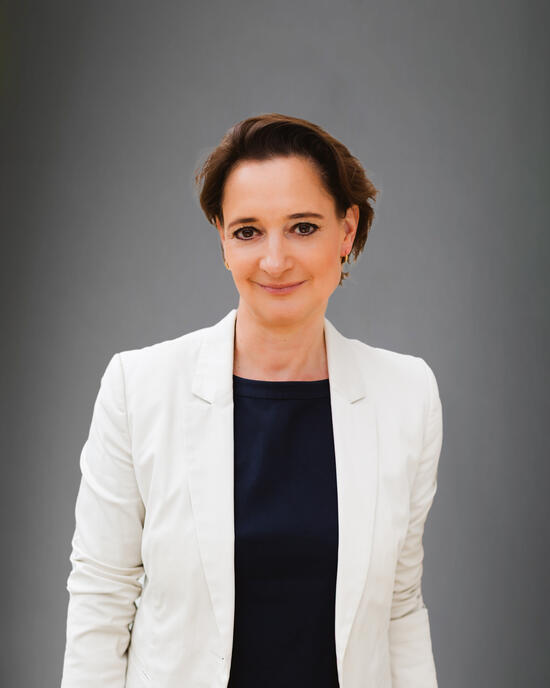
The automotive industry is witnessing a major leadership shake-up as Renault has announced Katrin Adt, a former senior executive at Mercedes-Benz, as the new Chief Executive Officer of its Romanian-born brand, Dacia. This move signals Renault’s determination to strengthen Dacia’s global positioning, modernize its strategy, and reinforce its reputation as a manufacturer of affordable yet durable vehicles. Adt’s extensive experience in brand management, global strategy, and innovation makes her a powerful figure to lead Dacia into a new era of growth.
From Mercedes to Renault: A Strategic Transition
Katrin Adt is no stranger to the challenges of running a successful automobile brand. With a career spanning over two decades at Daimler AG, she served in several high-level roles, including heading Mercedes-Benz’s compact car division and managing the Smart brand. Under her leadership, Smart transitioned toward electrification, a key step that aligned with global automotive trends.
Her move to Renault reflects not only the increasing collaboration between European car manufacturers but also the pressing need for brands like Dacia to redefine themselves in an industry that is rapidly shifting toward sustainability, electrification, and digital integration. By tapping into Adt’s expertise, Renault appears intent on pushing Dacia beyond its traditional market perception as a budget brand, while retaining its core identity of affordability and practicality.
Dacia’s Rising Profile in Global Markets
Founded in Romania in 1966, Dacia has evolved from being a local carmaker into one of Europe’s most recognizable value-oriented brands. Acquired by Renault in 1999, Dacia became synonymous with low-cost, reliable models such as the Logan, Duster, and Sandero. These cars appealed to a wide demographic, from first-time buyers to families seeking dependable vehicles without breaking the bank.
Over the past decade, Dacia has become a cornerstone of Renault’s global strategy, consistently delivering strong sales figures across Europe, the Middle East, and Africa. In fact, the brand has enjoyed impressive success with the Duster SUV, which remains one of Europe’s top-selling models in its segment. However, as consumer preferences shift toward electrification, hybrid technology, and digital mobility solutions, Dacia faces the challenge of modernizing its portfolio without alienating its price-sensitive customer base.
Challenges Ahead for Katrin Adt
Adt steps into her new role at a pivotal time. The global automotive industry is under pressure to embrace electric vehicles (EVs), develop sustainable production methods, and adopt advanced digital technologies. For Dacia, this presents a delicate balancing act: innovating and adapting to global trends while preserving its identity as an affordable brand.
Some of the major challenges awaiting Adt include:
-
Electrification Strategy – Integrating hybrid and fully electric models into Dacia’s lineup without driving up production costs.
-
Brand Positioning – Ensuring Dacia remains a budget-friendly brand while improving design, safety, and technology to meet modern expectations.
-
Global Expansion – Exploring opportunities in emerging markets outside Europe while consolidating Dacia’s stronghold in its existing regions.
-
Sustainability Goals – Aligning Dacia’s operations with global environmental regulations and Renault’s corporate climate strategy.
Her track record at Mercedes-Benz and Smart suggests she has the vision and managerial expertise to balance these priorities effectively.
A New Era for Dacia
Katrin Adt’s appointment is more than just a change of leadership—it marks a new chapter for Dacia. As the automotive world undergoes unprecedented transformation, Renault has chosen a leader with proven ability to navigate change, embrace innovation, and build strong brand identities.
For Dacia, the road ahead may be filled with challenges, but under Adt’s leadership, the brand appears poised to grow stronger, more competitive, and more aligned with the demands of the modern car market. Consumers and industry watchers alike will be keeping a close eye on how she redefines Dacia’s image—potentially transforming it from a low-cost carmaker into a global symbol of smart, sustainable, and accessible mobility.

