

By Gloria Nosa
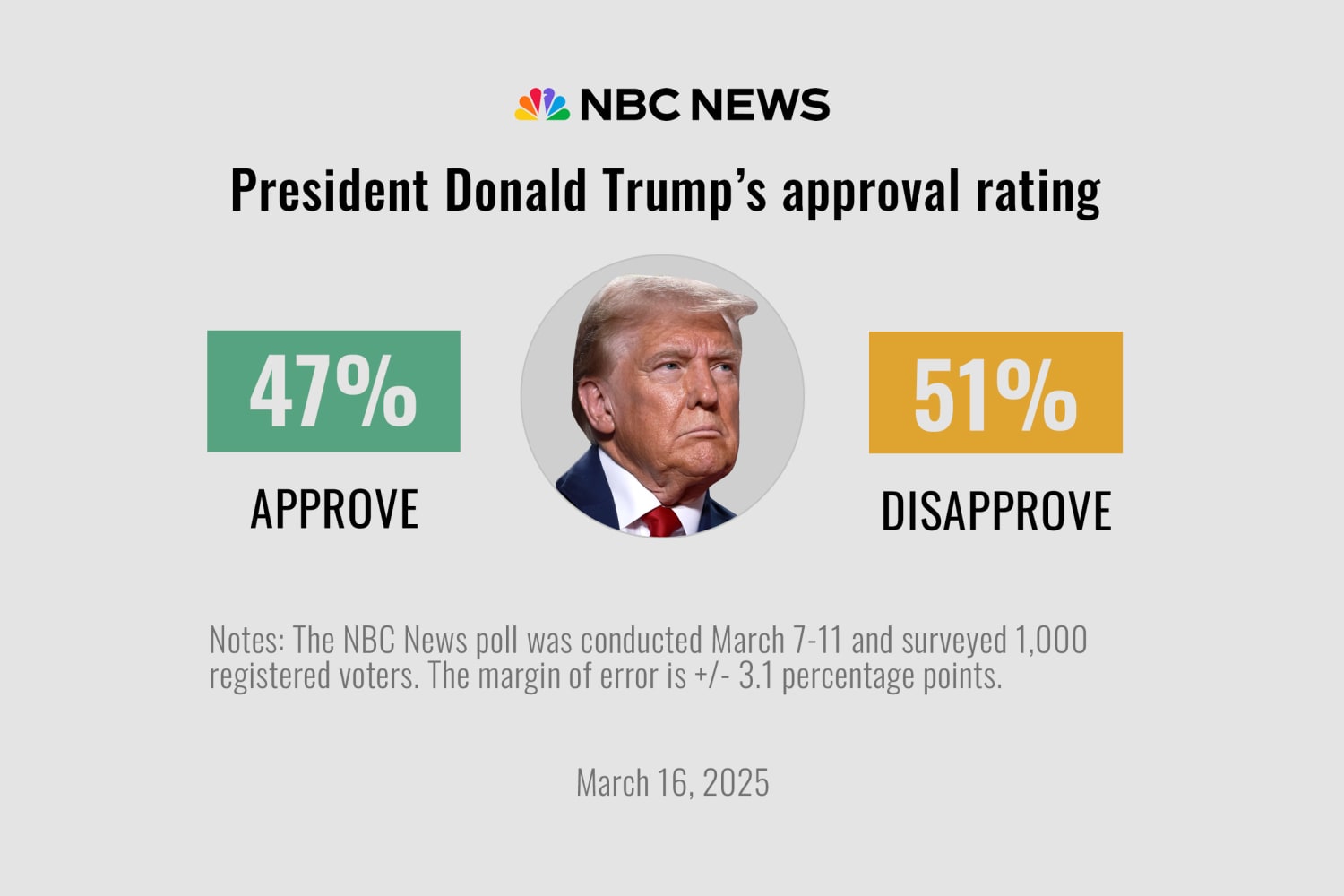
Now well into his second term, President Donald Trump is facing growing dissatisfaction among Americans, with approval numbers plunging to historic lows amid economic concerns, political controversies, and mounting public frustration.
A Steep Decline in Public Approval
Recent polling data paints a stark portrait of President Trump’s declining approval. A Gallup poll conducted between July 7–21, 2025, shows his approval rating at 37%, marking the lowest point of his second term. Support from independent voters has dropped dramatically to 29%, a 17-point collapse since January—matching his lowest standing among this key group in both terms of his presidency.
By August, Gallup records indicate only 40% of Americans continue to approve of Trump’s performance overall. Ratings are similarly dismal for specific policy areas: economy (37%), foreign affairs (39%), and education (38%)—with all these figures lagging behind historical averages.

Public Sentiment and Reshaping Support
Quinnipiac polling confirms the disapproval trend: 37% approve of Trump’s job as president, while 55% disapprove, including a three-point drop within a single month. Even among Republicans, approval dipped from 90% to 84%, signaling cracks within his base.
Another poll focuses on Trump’s aggressive policing policies—specifically the deployment of National Guard troops in Washington, D.C.—which met with 56% opposition. Support was starkly divided along party lines: 86% of Republicans backed it, compared to 61% of independents and 93% of Democrats who opposed it. CT
Independents Souring, Authoritarian Concerns Rising
The Gallup data shows 73% of independents disapprove of Trump’s handling of the federal budget, 68% on the economy, and 70% on immigration. In contrast, his Republican approval remains strong (around 89%). This widening partisan gap marks a critical warning ahead of the 2026 midterms.
Moreover, concerns about authoritarian leadership are mounting. Reports of sycophantic cabinet culture, retaliatory purges, and assertive executive actions—like criminalizing flag burning and deploying the National Guard—have garnered criticism from across the political spectrum.
Stability in Decline and Public Resilience
Interestingly, despite the negative headlines, AP-NORC polling suggests stability: Trump’s overall approval hovers around 40%, a slight drop from 42% earlier in the year. His support base remains steady, even in the face of controversy over immigration and the economy.
Analysis from Reuters confirms that, while Trump projects authority, his influence may be diminishing. He has made gains against weaker actors but faces resistance from major global powers. His confrontational tactics and unpopular policies could undermine both his domestic standing and the United States’ influence abroad.
Snapshot of Approval Across Polls
Here’s a glimpse into the current landscape of Trump’s net approval (approved minus disapproved) as aggregated by Nate Silver’s Silver Bulletin:
-
Morning Consult: −4
-
Harvard/HarrisX: −2
-
YouGov/The Economist: −15
-
Verasight/Strength in Numbers: −15
-
Gallup: −16
-
Ipsos/Reuters: −14
This gives an average net approval of approximately −8.3, underscoring a sustained pattern of unpopularity.
The Road Ahead – Political Ramifications
The erosion of public support underlies broader challenges:
-
Republican vulnerabilities: The shrinking support among independents may weaken GOP prospects in key swing states.
-
Midterm risks: With disapproval topping approval and strong concerns over authoritarian leanings, the 2026 midterm elections could be pivotal.
-
Legacy in limbo: Trump’s earlier promises of economic renewal and strong leadership now clash with a populace fatigued by controversy and unmet expectations.
-
Strategic pivot needed: To regain ground, Trump must address public concerns over inflation, budget priorities, and governance—still, whether he can shift the narrative remains uncertain

