

By John Umeh
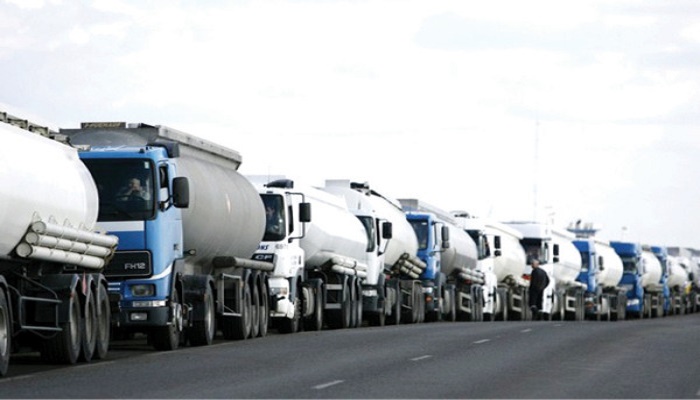
A Crisis at the Heart of Nigeria’s Oil Supply
The Federal Government has intervened in what could become one of the most disruptive labour crises in recent years, summoning representatives of the Dangote Group and the Nigeria Union of Petroleum and Natural Gas Workers (NUPENG) to an urgent meeting in Abuja.
The emergency session, convened by Minister of Labour and Employment Muhammadu Dingyadi, comes against the backdrop of NUPENG’s planned nationwide strike. The strike, already endorsed by the Nigeria Labour Congress (NLC), is set to cripple petroleum distribution across the country if not immediately resolved.
For millions of Nigerians already struggling with high fuel prices and economic hardship, the standoff between one of Africa’s most powerful corporations and one of Nigeria’s most militant unions has raised anxiety and fear of an imminent shutdown.
Union Accusations Against Dangote
At the heart of the dispute are allegations that Dangote Refinery, the flagship project of Africa’s richest man, Aliko Dangote, is operating under exploitative labour practices.
NUPENG has accused the refinery of deliberately stifling union membership by barring tanker drivers from joining existing oil and gas unions. Instead, the company allegedly established a parallel body—the Direct Trucking Company Drivers Association (DTCDA)—which the union describes as “a management-sponsored structure designed to weaken workers’ voices.”
Union leaders argue this practice undermines constitutional rights, violates Nigeria’s Labour Act, and contravenes international conventions on freedom of association. “This is the road to tyranny in industrial relations, where workers are silenced and treated as disposable tools,” NUPENG declared in a strongly worded statement.
They further allege that wages at the refinery fall among the lowest in the oil and gas sector, an irony given that the facility is touted as the largest and most advanced refinery in Africa.
A Gathering Storm: The Role of the NLC
In a show of solidarity, the Nigeria Labour Congress has thrown its weight behind NUPENG. The NLC president, Joe Ajaero, described Dangote’s actions as a “direct assault on the Nigerian labour movement,” warning that if such practices are allowed to stand, no worker or industry will be safe from corporate overreach.
“An attack on one union is an attack on all,” Ajaero declared, mobilizing the NLC’s 54 affiliate unions and 36 state councils for nationwide action. The strike, he warned, will first paralyze fuel distribution, but could spread into banking, manufacturing, and transport if negotiations collapse.
Already, panic buying has begun in major cities, with queues forming at filling stations and black-market prices for petrol surging. In Edo State, the NLC issued an advisory urging residents to stockpile fuel, saying filling stations would be forced to shut once the strike begins.
The High Stakes of the Abuja Meeting
The stakes could not be higher. Economists caution that every day of a nationwide shutdown could cost Nigeria hundreds of millions of dollars in lost productivity, with ripple effects on power generation, transport, and manufacturing.
Minister Dingyadi, speaking ahead of the meeting, stressed that the government’s priority is to avert a total shutdown of the economy. “Dialogue remains the only path forward,” he said, urging both parties to approach the talks with sincerity and a willingness to compromise.
Yet, NUPENG insists the strike will proceed until all grievances are conclusively resolved. An insider familiar with the union’s stance noted: “We will attend the meeting to demonstrate readiness for dialogue. But as long as union rights are being trampled upon, the strike stands.”
Beyond Wages: A Struggle Over Power
Analysts suggest the confrontation is more than a dispute over salaries or union membership. It is a contest between labour rights and corporate power in a country where oil remains the lifeblood of the economy. Dangote Refinery, with its vast influence, represents a new phase of private sector dominance in Nigeria’s energy landscape.
If labour unions fail to secure recognition and fair treatment at this critical juncture, observers warn, it could embolden other corporations to adopt similar anti-union strategies, eroding decades of progress in Nigeria’s labour movement.
The Road Ahead
As Abuja hosts this high-stakes dialogue, the outcome will determine whether Nigeria’s fuel supply remains stable or plunges into chaos. A compromise could provide breathing space and restore confidence, while a breakdown in talks risks igniting one of the most consequential strikes in the nation’s history.
For ordinary Nigerians, the dispute is not abstract—it is about whether they can afford to get to work, power their homes, and feed their families. As one commuter in Lagos put it, “Whenever NUPENG threatens strike, it feels like the whole country holds its breath.”
For now, all eyes are on Abuja, where labour, business, and government must find common ground—or risk dragging Nigeria into yet another cycle of hardship.

