

By John Umeh
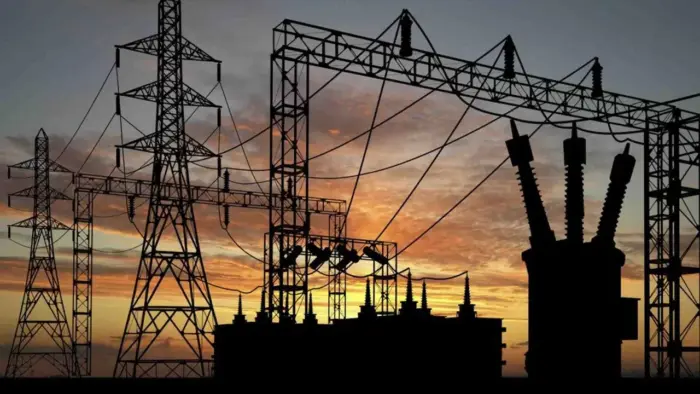
For the umpteenth time in recent years, Nigeria was plunged into nationwide darkness on Wednesday as the national electricity grid collapsed once again, disrupting power supply across most parts of the country.
According to reports, electricity generation plummeted dramatically from 2,917.83 megawatts (MW) to a mere 1.5MW within the space of one hour, between 11 a.m. and 12 p.m. The crash left homes, businesses, and critical infrastructure across multiple states without supply, highlighting once more the fragility of the country’s power network.
Shortly after the incident, the Nigeria National Grid, an X (formerly Twitter) handle that tracks real-time power updates, confirmed the system failure. It posted that “system restoration is in progress,” but noted that all electricity distribution companies (DisCos), except Ibadan DisCo, recorded zero load allocation following the collapse.
In simple terms, this meant that virtually all parts of the country went dark at once.
Abuja DisCo Confirms the Incident
The Abuja Electricity Distribution Company (AEDC) was one of the first distributors to issue an official statement, confirming that the grid collapsed at about 11:23 a.m. AEDC acknowledged that customers in its franchise areas, which cover Abuja, Kogi, Nasarawa, and Niger states, were affected by the outage.
“Dear Valued Customers,” the company announced on its verified X handle, “please be informed that the power outage currently being experienced is due to a loss of supply from the national grid at 11:23 hrs today. Rest assured, we are working closely with relevant stakeholders to ensure power is restored once the grid is stabilized.”
Other DisCos across the country echoed similar assurances, urging customers to remain patient while engineers attempted to restart the collapsed system.
A Pattern of Recurring Failures
Nigeria’s national grid, which is operated by the Transmission Company of Nigeria (TCN), has a long history of instability. Despite multiple reforms and privatization efforts in the power sector, grid collapses remain frequent, often occurring several times a year.
Experts say the problem is tied to inadequate infrastructure, poor system maintenance, and overdependence on an aging transmission network that cannot withstand fluctuations in generation or distribution. Each time the grid fails, millions of Nigerians are forced to rely on alternative energy sources such as petrol or diesel generators, solar power, and small-scale inverters.
The latest collapse has once again raised questions about the effectiveness of Nigeria’s power sector reforms. The privatization of generation and distribution companies in 2013 was expected to usher in efficiency and stability, but a decade later, power supply remains erratic. The Transmission Company of Nigeria, which remains government-owned, is often blamed for being the weakest link in the value chain.
Public Frustration and Economic Toll
For ordinary Nigerians, the collapse is more than just an inconvenience. It disrupts livelihoods, halts business operations, and drives up costs for households already struggling with inflation. Small businesses, especially in urban centers, often have no choice but to run generators at exorbitant fuel costs.
Civil society groups and labour unions have consistently criticized the recurring failures. The Nigeria Labour Congress (NLC) has previously described the situation as “Nigerians paying for darkness while a few profiteers benefit from the broken system.”
For manufacturers and industries, grid instability translates into higher production costs, reduced competitiveness, and job losses. Economists warn that persistent power sector inefficiencies could derail Nigeria’s economic growth targets.
Searching for Solutions
The federal government has repeatedly promised to address the challenges. President Bola Tinubu, while outlining his reform agenda, pledged to overhaul the power sector and introduce modern energy solutions, including renewable power sources and smart grids. He also emphasized the need for private sector participation and investments in transmission and distribution infrastructure.
Industry analysts argue that without significant investment and modernization, the cycle of grid collapse and restoration will continue. They stress that Nigeria must diversify its energy mix, strengthen regulatory enforcement, and upgrade infrastructure to meet the demands of its fast-growing population.
Outlook
As of Wednesday evening, restoration efforts were said to be ongoing, with partial supply returning to some parts of the country. But the collapse is a stark reminder of the precarious state of Nigeria’s electricity supply.
Until the government, regulators, and private operators take bold steps to address systemic weaknesses, grid collapse will remain a recurring nightmare for over 200 million Nigerians who continue to live with the uncertainty of unstable power.

