

Tech News By
DeJi Osas
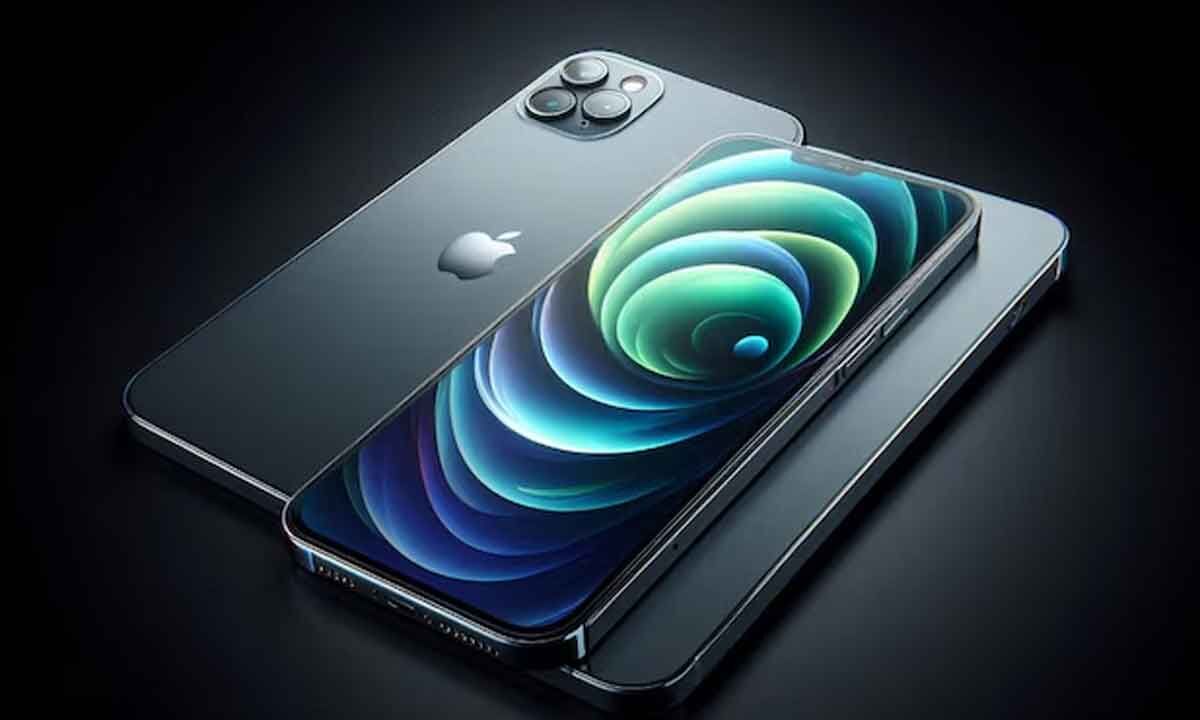
Apple has unveiled its latest flagship smartphone, the iPhone 17 series, showcasing its boldest design choice yet: the iPhone 17 Air, billed as the thinnest iPhone in history. The announcement, made at Apple Park in Cupertino, has stirred both excitement and skepticism, as critics argue that Apple continues to prioritize looks over artificial intelligence innovation.
The Thinnest iPhone Ever
At just 5.6mm, the iPhone 17 Air is slimmer than both the Galaxy Edge and Apple’s own iPhone 16 Plus. The company hailed the device as a design triumph, combining lightweight aluminum with its second-generation Ceramic Shield for improved durability. The phone also boasts longer battery life—up to 30 hours of video playback—and faster charging, promising 50% capacity in just 20 minutes.
The Air’s ultra-thin frame quickly became the main talking point at the launch. Attendees rushed to compare it against their existing devices, marveling at the reduction in thickness. Apple CEO Tim Cook described the model as “a new standard in smartphone design.”
Yet, reactions weren’t entirely positive. The rear “camera plateau,” a horizontal bump housing upgraded sensors, drew criticism for spoiling the Air’s otherwise sleek profile. While the front camera has been significantly improved to capture high-resolution selfies and low-light shots, some argued that the design compromise highlights Apple’s struggle to balance aesthetics with function.

Where’s the AI Revolution?
Despite anticipation, Apple did not announce any major leap in artificial intelligence features. The company’s existing Apple Intelligence—covering text summarization, live translation, generative emojis, and basic AI imaging—remains at an early stage compared to rivals.
During the presentation, executives made only brief references to AI, focusing instead on accessories such as the new AirPods Pro 3, which enable real-time bilingual translation through paired iPhones. While practical, this feature did little to ease concerns that Apple is falling behind in the AI race.
Competitors like Samsung and Google have aggressively embedded AI into their smartphones, offering on-device generative tools, advanced photo editing, and predictive features. By comparison, Apple’s strategy seems conservative. Industry observers warn that Apple’s reputation for innovation could suffer if the company continues to treat AI as an afterthought.
Market Reactions and Price Strategy
Apple’s stock slipped more than 1% following the announcement, reflecting muted investor confidence. Analysts described the launch as “safe but uninspired,” with one tech consultant remarking that Apple’s focus on incremental design updates risks alienating consumers who now expect cutting-edge AI capabilities.
On pricing, however, Apple defied expectations by keeping costs steady despite global tariff pressures. The standard iPhone 17 begins at $799, while the Air model will retail at $999 in the U.S. In South Korea, the Air will sell for ₩1.59 million, slightly higher than Samsung’s Galaxy Edge. Apple credits its ability to hold the line on prices to efficient material choices and streamlined manufacturing.
The devices will be available globally starting September 19, including key markets across North America, Europe, and Asia.
What the Future Holds
The iPhone 17 represents a milestone in design but leaves open questions about Apple’s long-term strategy. In a tech landscape increasingly shaped by artificial intelligence, thinness and battery life may not be enough to sustain excitement.
Apple has historically entered new technology spaces late, only to redefine them with polished user experiences—whether with music players, tablets, or smartwatches. The real test will be whether it can do the same with AI. For now, the iPhone 17 dazzles the eye but leaves industry watchers wondering if Apple is slipping behind in the smartphone intelligence race.


