

By Gloria Nosa
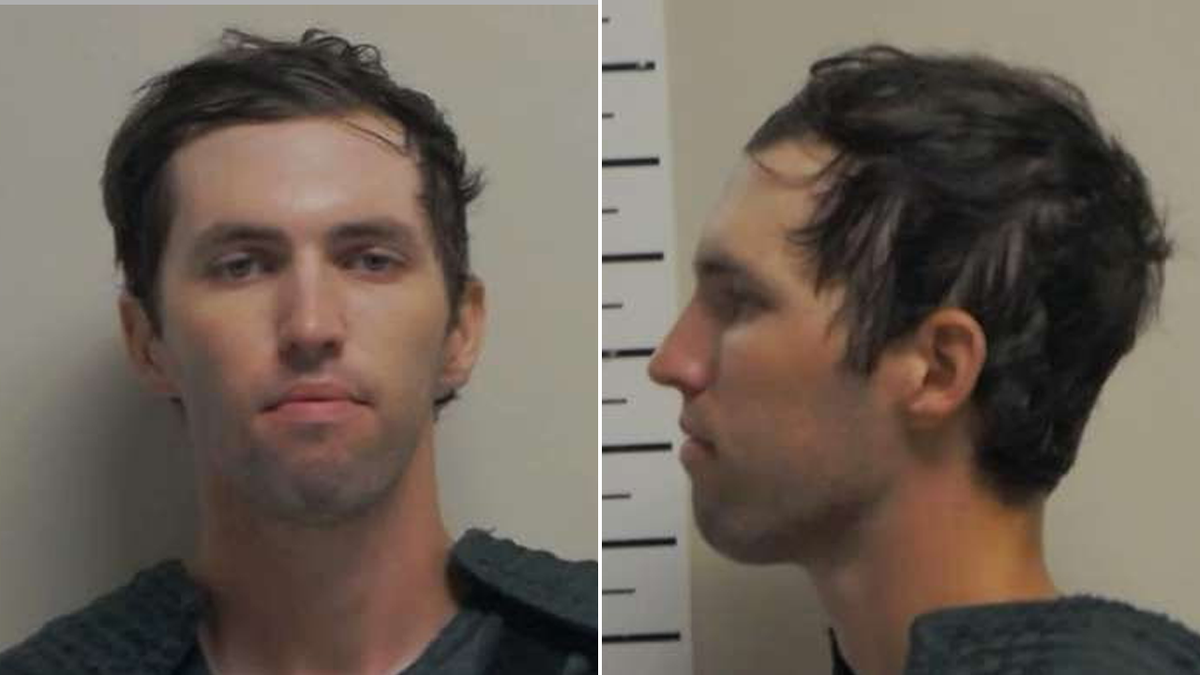
The assassination of Charlie Kirk, a conservative activist and prominent ally of Donald Trump, has thrown America into another cycle of grief, anger, and debate over the cost of political polarization. But behind the arrest of the alleged gunman, 22-year-old Tyler Robinson, lies a story that is both deeply personal and nationally significant.
Authorities confirmed that Robinson was captured not in a dramatic raid or firefight, but after his own father recognized him from surveillance photos and confronted him at their family home. The confrontation nearly ended in tragedy, with Robinson threatening to take his own life rather than face arrest. Only the intervention of his father—and a trusted youth minister with ties to law enforcement—prevented the crisis from spiraling further.

What happened in that home is now as much a part of the story as the shooting itself. It sheds light on the pressures of family loyalty, the despair of a young man consumed by rage, and the heavy toll political violence exacts on everyone it touches.

The Shooting That Shocked America
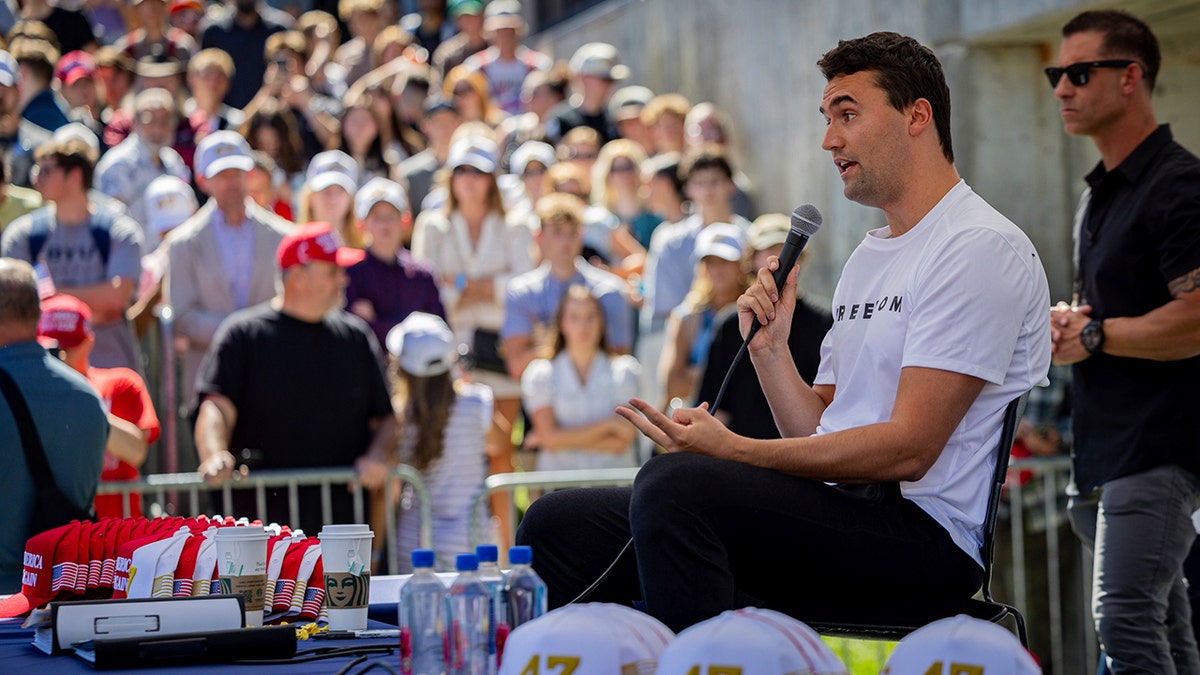
On a brisk September afternoon, Utah Valley University in Orem was filled with students and visitors gathered for what was supposed to be a high-energy political forum. Charlie Kirk, a firebrand conservative activist, founder of Turning Point USA, and one of Donald Trump’s most visible allies, was in the middle of his speech when the unthinkable happened.
Gunshots rang out. Chaos erupted in the auditorium. Kirk was struck multiple times and collapsed on stage, as horrified attendees screamed and scrambled for cover.
Paramedics rushed him to the hospital, but his wounds were fatal. By the end of the evening, Kirk’s death was confirmed, sparking outrage from his supporters and sending shockwaves across the political landscape.
Within hours, law enforcement released surveillance images of the suspected shooter: a young man in his early 20s with a slender build, a baseball cap pulled low, and an anxious look in his eyes. Those images spread rapidly across media platforms and into millions of homes—including the home of Tyler Robinson’s father.
A Father’s Confrontation
The manhunt for Kirk’s assassin had already spanned nearly two days when Robinson’s father saw the photographs. To the rest of the country, the images showed only a faceless figure with a gun. To him, they revealed something far more devastating: his son.
When Tyler walked through the door later that night, his father did not hesitate. He confronted him directly, asking whether the accusations were true.
Sources close to the investigation say Robinson admitted his role almost immediately. He confessed that he had pulled the trigger, ending Kirk’s life in front of a stunned audience. But instead of surrendering, he recoiled at the thought of spending his life behind bars.
According to law enforcement, Robinson told his father he would “rather die” than face arrest. His threat was not vague or casual—he was prepared to take his own life.
For his father, the moment was excruciating. He was torn between protecting his son and doing what was right. In that instant, he became not only a parent but the deciding figure between life, death, and justice.
The Intervention That Prevented Another Tragedy
Knowing he could not handle the crisis alone, Robinson’s father reached out to a local youth minister, a man the family trusted deeply. This minister also happened to have ties to the U.S. Marshals Service as part of a fugitive task force.
Together, they spent hours persuading Tyler to reconsider. They listened to his fears, his shame, and his despair. Slowly, they convinced him that surrender was the only way forward—that ending his life would not erase the pain already inflicted but only deepen the devastation.
The minister then placed a call to federal agents. Within hours, FBI officials, working alongside U.S. Marshals, quietly arrived to take Robinson into custody. There was no standoff, no gunfire—only the silent collapse of a young man who had run out of options.
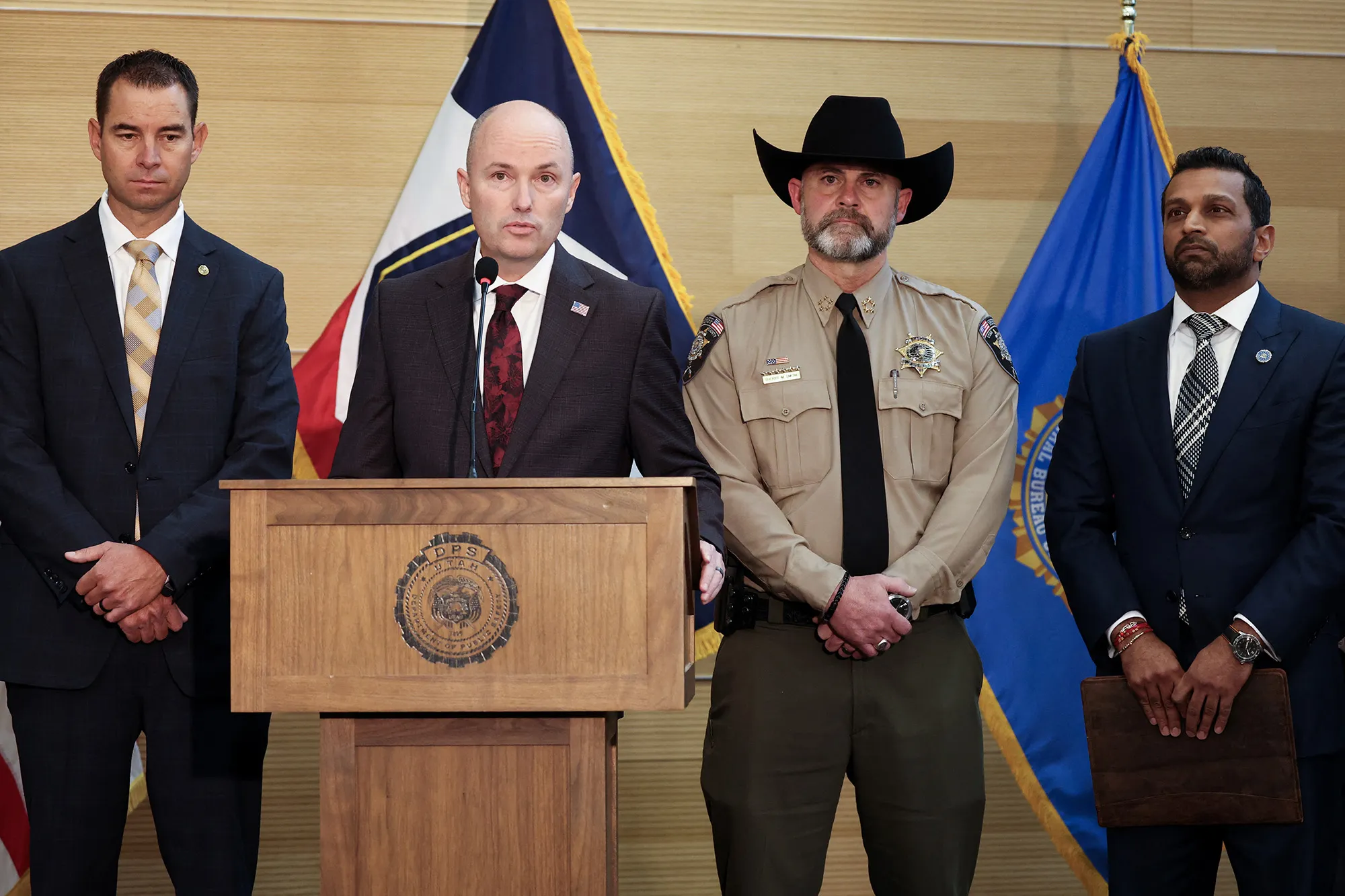
Robinson was booked on aggravated murder charges and transported to a secure facility. Officials later confirmed that he acted alone and that no larger conspiracy was behind the assassination.
Unraveling the Suspect’s Motives
As investigators dug into Robinson’s life, a troubling portrait emerged.
Digital messages discovered on Discord revealed chilling details. He instructed his roommate to retrieve a rifle hidden in a wooded area near the university, wrapped in a dark towel. He described changing clothes after the shooting to avoid detection.
Other messages exposed his mindset. Robinson had spoken bitterly about Charlie Kirk, accusing him of being “full of hate” and spreading dangerous ideas. For days leading up to the shooting, he appeared consumed by his disdain for Kirk, expressing frustration at the activist’s growing influence.
Authorities believe the attack was premeditated. Yet, Robinson’s erratic behavior after the shooting—confiding in his father, contemplating suicide, and leaving incriminating digital trails—suggests a young man unraveling under the weight of his actions.
At Utah Valley University, meanwhile, grief hung heavy. Students lit candles, placed flowers, and draped American flags at a makeshift memorial on campus. Professors and classmates struggled to process how a former student had turned into an assassin on their grounds.
A Nation Reckons With the Aftermath
The arrest of Tyler Robinson has provided answers but also sparked more questions. How did a 22-year-old reach the point of committing a political assassination? What role did online radicalization, personal grievances, or mental health struggles play in his decision? Could someone have intervened sooner?
For Charlie Kirk’s family and supporters, the pain is immeasurable. He leaves behind a wife and two children, along with a political movement that now mourns not only a leader but also a symbol of how dangerous America’s divisions have become.
For Robinson’s family, the ordeal is deeply personal. His father’s decision to turn him in was an act of both love and duty. He saved his son from suicide but ensured he will face justice for a crime that has altered countless lives.
And for the nation, the story is yet another reminder of the escalating risks faced by public figures in an era where political disagreements increasingly spill into violence.
As Tyler Robinson awaits trial, the country is left to grapple with the devastating cost of unchecked rage, the fragility of families caught in the storm, and the haunting reality that in America’s most polarized moments, words can inspire bullets.
Video of his Assassination!

