

By Deji Osas
A Fresh Start for Mercedes
Mercedes-Benz is entering one of the most decisive moments in its long history. After years of pushing its “EQ” electric lineup, only to face lukewarm reactions to the bulbous designs and confusing naming, the German automaker has hit the reset button. This time, the company is rolling out electric vehicles that blend timeless Mercedes styling with cutting-edge electrification, hoping to regain the dominance it once enjoyed.
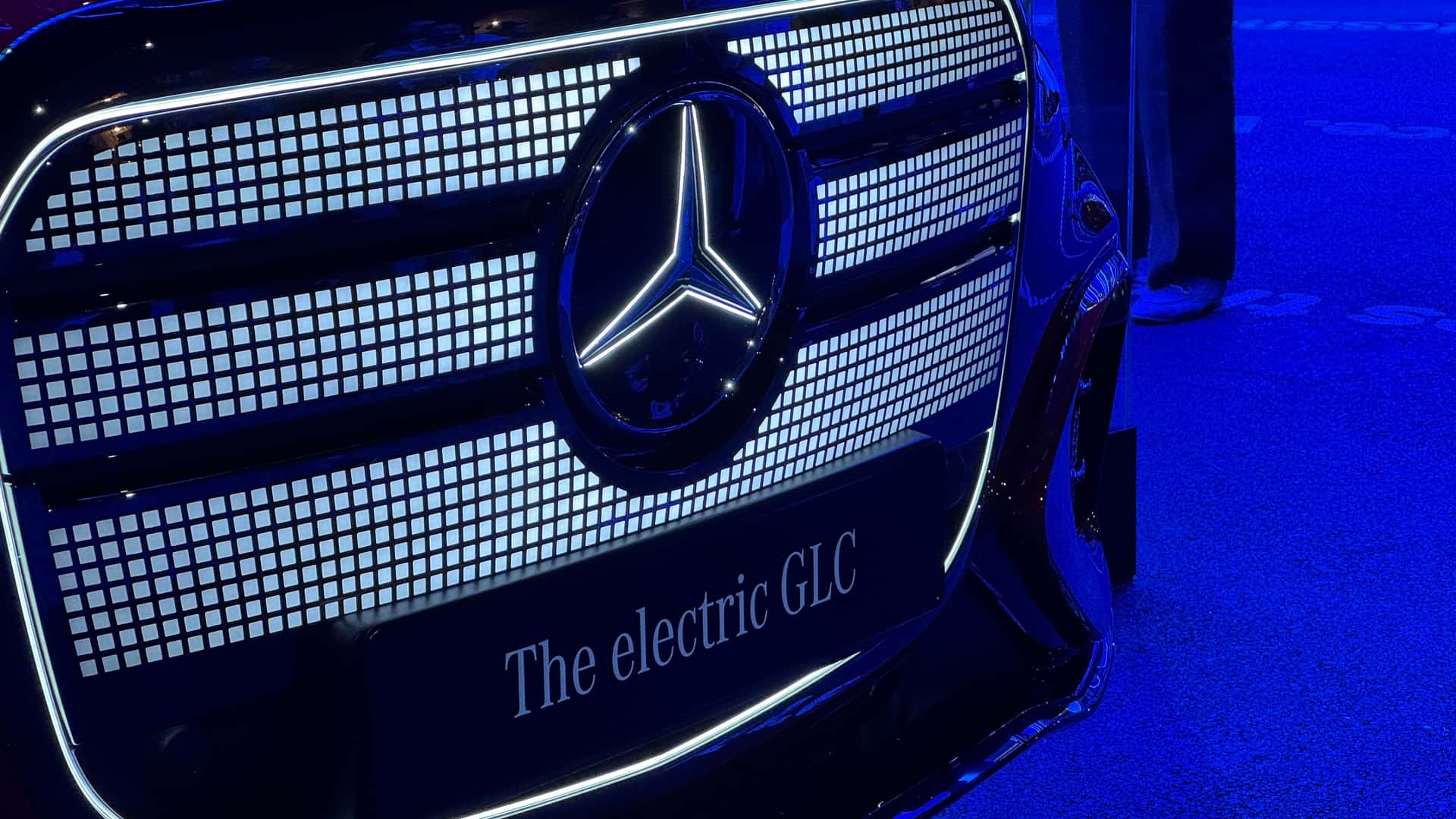
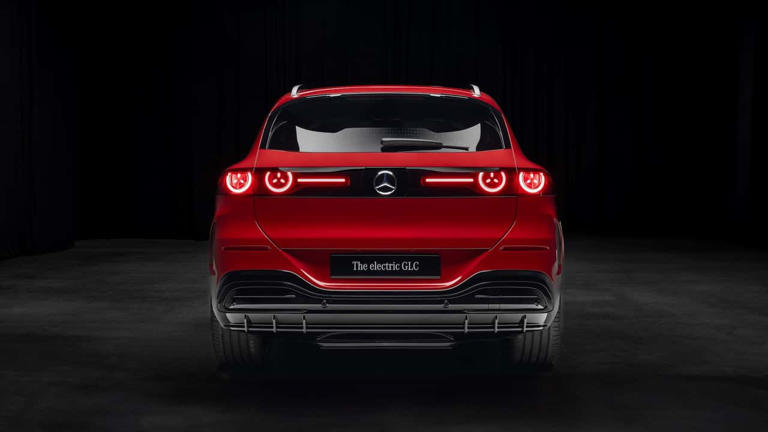
At the center of this reboot stands the 2026 Mercedes-Benz GLC with EQ Technology—a compact luxury SUV positioned not just as a car, but as a statement. Mercedes knows it cannot afford another misstep. With sales in China plunging, pressure from U.S. tariffs, and rivals like Tesla and BMW raising the bar, the GLC must succeed. For Mercedes, this is more than a car—it’s survival.
 Power, Speed, and Charging
The new GLC is being engineered to compete at the highest level. Gone is the confusing “EQC” branding. Instead, Mercedes is tying its electric future directly to its bestselling models.
The GLC EV will be offered in two trims at launch. The rear-wheel-drive GLC 300+ delivers 369 horsepower and 371 lb-ft of torque. For those who demand more, the all-wheel-drive GLC 400 4Matic unleashes 483 horsepower and 596 lb-ft of torque—enough to sprint from zero to 60 mph in just 4.4 seconds. An AMG performance version is all but certain to follow.
Range will exceed 400 miles per charge, with charging speeds peaking at 330 kW, enabling a 10–80% top-up in under 25 minutes. That figure, if delivered in real-world use, would put the GLC among the quickest-charging EVs on the market.
![2026 Mercedes-Benz GLC EV: A 440-Mile Electric Do-Over With 'Multi-Agent' AI]() Technology at the Center
Technology at the Center
 Technology at the Center
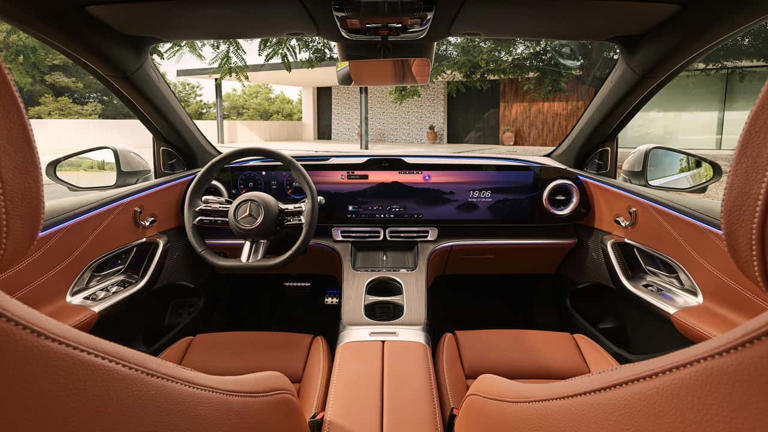
Inside the cabin, Mercedes isn’t holding back. Buyers can opt for the breathtaking Hyperscreen, a 39.1-inch display stretching from pillar to pillar, making it the largest dashboard screen in the brand’s history. The standard Superscreen setup is no slouch either, combining a digital instrument cluster with dual 14-inch displays for infotainment and passenger interaction.
The software backbone is the newly launched MB.OS system, designed for constant over-the-air upgrades. Mercedes has embraced a “multi-agent” AI strategy: ChatGPT for voice interactions, Microsoft Bing for information queries, and Google Gemini for intuitive navigation. Want an Italian restaurant nearby with outdoor seating that’s open right now? The GLC’s AI will find it. On top of that, the assistant can explain charging options and even walk new owners through EV basics.
Luxury touches remain intact—massaging seats, air suspension, four-wheel steering, and intelligent LED lighting. The GLC is every bit the Mercedes of old, now reimagined for an electric future.
 Why the Stakes Are So High
For Mercedes, the GLC EV is not just another model—it’s a make-or-break gamble. The earlier EQ lineup left buyers cold, while competitors like BMW and Tesla surged ahead. To fall behind again would risk ceding an entire generation of customers to rivals.
But this time, Mercedes seems to have learned from its mistakes. By pairing its most popular SUV with next-gen software, better range, faster charging, and a more conventional (yet striking) design, the brand is placing its bets where it matters most: in the heart of the premium crossover market.
Pricing remains the big unknown. If Mercedes can hit the right number, the GLC EV could be the comeback story that defines the next era of the brand. Deliveries are slated to begin in late 2026 for the GLC 400 4Matic, with the GLC 300+ arriving in early 2027.
For now, the world waits to see whether Mercedes has truly reinvented itself—or if this bold new GLC will be just another beautiful gamble in a high-stakes race.


