

Business Page Writer
By Nonso Agbodi
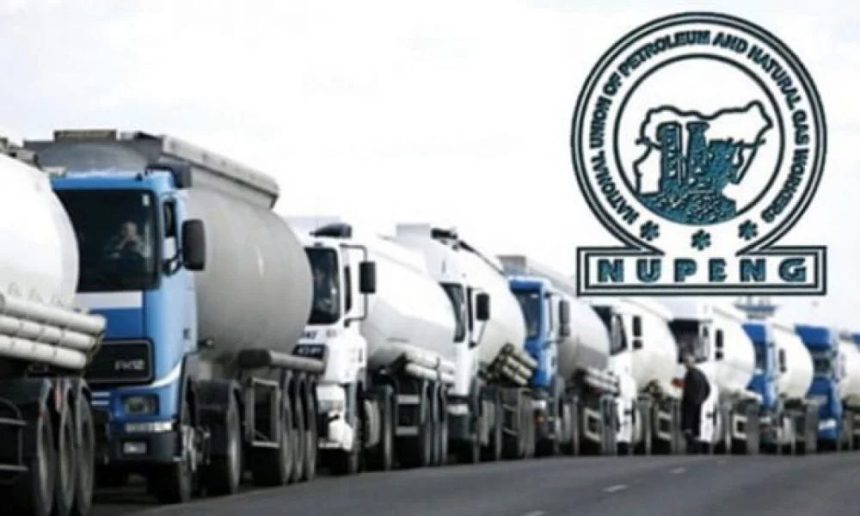
The Dangote Petroleum Refinery has entered a sweeping restructuring phase that has led to the dismissal of several Nigerian employees, triggering a clash with organised labour groups.
According to an internal directive dated 25 September and signed by the head of Human Asset Management, affected workers have been instructed to hand over company property, obtain clearance, and await the computation of their severance packages. The memo framed the move as part of a “comprehensive reorganisation” following reports of deliberate sabotage within certain departments.
The shake-up coincided with a surge in union membership among refinery staff. Just a day earlier, more than 1,000 Nigerian workers formally joined the Petroleum and Natural Gas Senior Staff Association of Nigeria (PENGASSAN), a development confirmed by both the union and management.
PENGASSAN has condemned the layoffs, describing them as an attempt to weaken workers’ rights. “This is not only retaliatory but a direct affront to employees’ freedom of association guaranteed under the law,” the union said, alleging that the company even sought the arrest of its caretaker committee chairman over union activities.
Refinery management, however, rejected accusations of union-related victimisation. In a statement on 26 September, it maintained that over 3,000 Nigerians remain on its payroll and that only “a minimal number” of workers were affected. It insisted the dismissals were unrelated to union membership and reaffirmed its adherence to global labour standards, including the right to organise.
The $20 billion refinery, launched in 2024 with a capacity of 650,000 barrels per day, has been a flagship project for Nigeria’s quest for energy self-sufficiency. Yet it has faced operational setbacks, foreign exchange pressures, and now mounting labour disputes that threaten to slow production further.
So far, government regulators have not commented on the controversy, while the Petroleum and Natural Gas Workers’ Union (NUPENG) has remained silent, bound by a court injunction restricting it from disrupting refinery operations.


