

Tech News Assistant Editor
Tez Mukamba
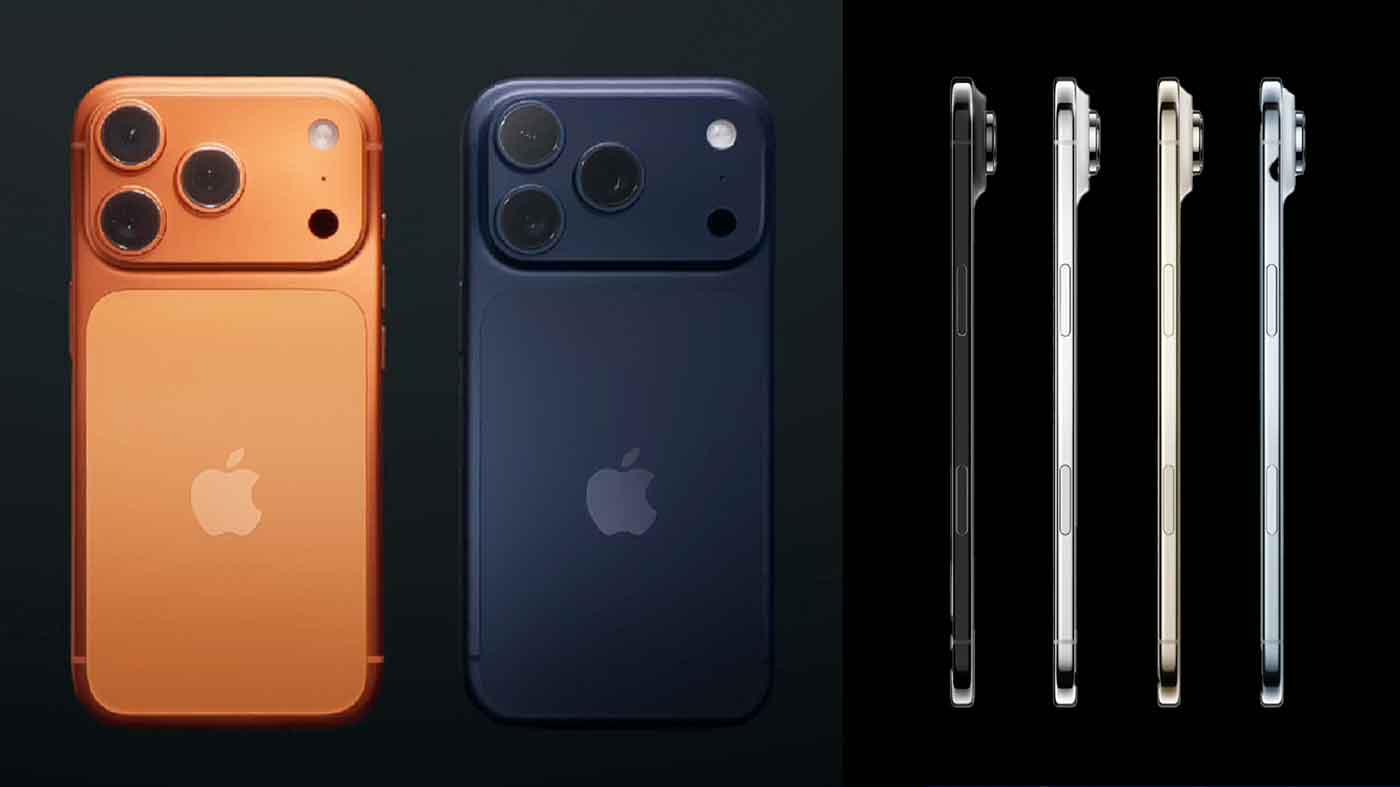
On the morning of the 19th, customers in Seoul flocked to the Apple Store in Myeongdong, Jung-gu, to get their first look at Apple’s newly released iPhone 17. While excitement surrounded the launch, reports of quality issues began surfacing almost immediately, sparking debate online.
According to Bloomberg, journalists who inspected iPhone 17 display units in Apple Stores across New York, Hong Kong, Shanghai, and London found visible scratches on several models within hours of being unboxed. Many of the blemishes were concentrated around the frame and rear panel, particularly when used with MagSafe chargers or ring stands — a problem consumers have dubbed “scratch-gate.”
U.S.-based tech site The Verge also noted complaints over the iPhone 17’s aluminum camera edges, reporting cases of chipping and peeling. The issues have surprised many customers, especially since Apple promoted the iPhone 17 series as having a “threefold improvement” in scratch resistance, reinforced “Ceramic Shield” rear glass, and a stronger titanium frame for the ultra-thin iPhone Air model.
Adding to Apple’s woes, more iPhone 17 owners are voicing frustration over poor call quality — a core function of any phone. IT outlet PhoneArena revealed that roughly 50% of surveyed users across major U.S. carriers and MVNOs have experienced cellular problems, including dropped calls and muffled audio.
The iPhone 17 marks Apple’s shift toward emphasizing hardware upgrades over new AI-powered features, a strategy that contrasts with competitors Samsung and Google. However, the emerging complaints suggest Apple may have a tougher time convincing consumers that its latest flagship device lives up to its promises.

