

By Geradine Ohonba
Health Editor/Columnist


For decades, the dream of turning back the clock on ageing has felt like something out of science fiction. Yet new research from the University of Zurich suggests that the key to a younger, healthier body might be surprisingly simple — and sitting in your medicine cabinet.
Scientists studying more than 700 older adults, all aged 70 and above, have discovered that combining omega-3 fatty acids, vitamin D, and light exercise can noticeably slow the body’s biological ageing. Unlike chronological age — the number of birthdays you’ve celebrated — biological age reflects how old your cells and tissues really are. It’s measured using advanced “epigenetic clocks” that track DNA and protein changes linked to ageing and disease risk.
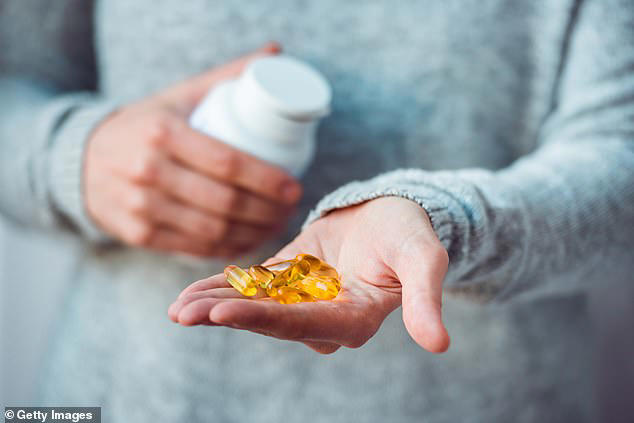
Over a three-year period, participants were split into groups: some took a daily vitamin D tablet, some took a 1-gram omega-3 supplement, some exercised at home for 30 minutes three times a week, and some tried combinations of all three.
The results were striking. Blood tests revealed that daily omega-3 alone could roll back biological age by up to four months. When combined with vitamin D and exercise, the benefits grew even stronger. Together, these simple habits also reduced the risk of falls by 11 per cent, infections by 13 per cent, frailty by 39 per cent, and cancer by an impressive 61 per cent.
Professor Heike Bischoff-Ferrari, one of the lead researchers, called the findings a “milestone” in human ageing studies. “Even slowing ageing by three or four months over just three years can have meaningful effects on public health if sustained,” she explained.
Steve Horvath, the scientist behind the famous epigenetic clock, praised the study as a blueprint for future research. “This trial shows that modest interventions can move the needle on ageing biomarkers,” he said. “Seventy is the new fifty — but only if we invest in our healthspan.”
The research did not confirm whether the same benefits occur when omega-3 comes from food sources like oily fish, nuts, or seeds. Still, experts say the study offers real hope: ageing might not be inevitable in the way we once thought. With a simple daily routine, we may not just live longer — we may live younger.

