

By John Umeh
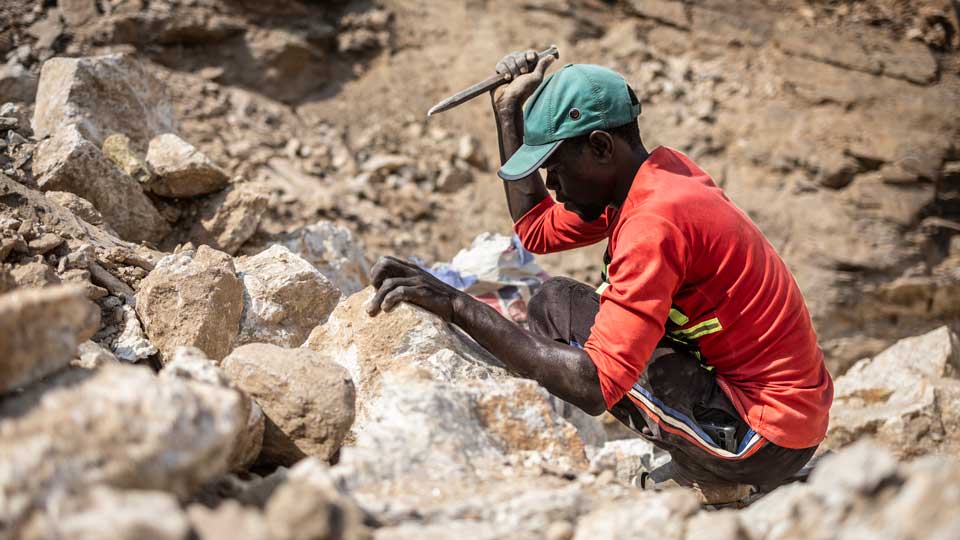
Despite holding some of the world’s richest lithium deposits, Nigeria’s mining and processing of the mineral is still dominated by foreign investors, leaving domestic players largely on the sidelines.
Lithium – a key component in batteries for electric vehicles, renewable energy storage, and high-tech devices – has become a globally strategic mineral. With the world accelerating its shift from fossil fuels to green energy, Nigeria’s deposits, estimated to be worth over $34 billion, place it in a prime position to benefit from the boom.
States such as Nasarawa, Kaduna, Niger, Kogi, Kwara, and Ekiti hold the largest lithium reserves. But industry sources say Chinese-led companies have taken the lead in mining and processing, especially in Nigeria’s North Central region which hosts over 70 per cent of proven reserves.
Companies like Avatar, which runs a 4,000-metric-ton-per-day facility, and Ganfeng, which is preparing to commission a 6,000-metric-ton plant, already ship most of Nigeria’s lithium to battery manufacturers in Asia. Currently, no major Nigerian investor is a significant player in the sector beyond artisanal mining.
Dr. Muda Yusuf, Executive Director of the Centre for the Promotion of Private Enterprise, says the absence of local investors is rooted in lack of awareness, high risks, insecurity in mining areas, and inadequate government support. “We need bankable geological data, government-backed investment at the early stages, and policies that reduce risk for local investors,” he explained. “Until the industry reaches a more substantial scale, it will be difficult to move from raw export to local processing.”
Industry stakeholders also argue that Nigeria should not allow foreign companies to own mines outright, as it creates conditions similar to those seen in Congo’s mining sector. Dele Ayanleke, National President of the Miners Association of Nigeria, urged government to provide incentives, improve regulations, and strengthen indigenous capacity so local firms can compete. “You can’t go to China and own 100 per cent of their minerals. Nigeria must adopt the same principle,” he warned.
One bright spot is Nasarawa State, where Governor Abdullahi Sule’s administration has pursued aggressive investor outreach and regulatory reforms. The state now hosts Nigeria’s largest lithium processing plants, including Avatar’s facility and Ganfeng’s $200 million battery-grade lithium factory, which is nearing completion.
However, the federal government maintains it has no special policy for lithium. A senior official at the Ministry of Solid Minerals Development confirmed that lithium is treated like any other mineral with no tailored investment framework.
Experts warn that without deliberate policies to nurture domestic participation, Nigeria risks becoming merely an exporter of raw lithium while missing out on the billions in added value that come from local processing and manufacturing.

