

By Health Editor
Geraldine Ohonba
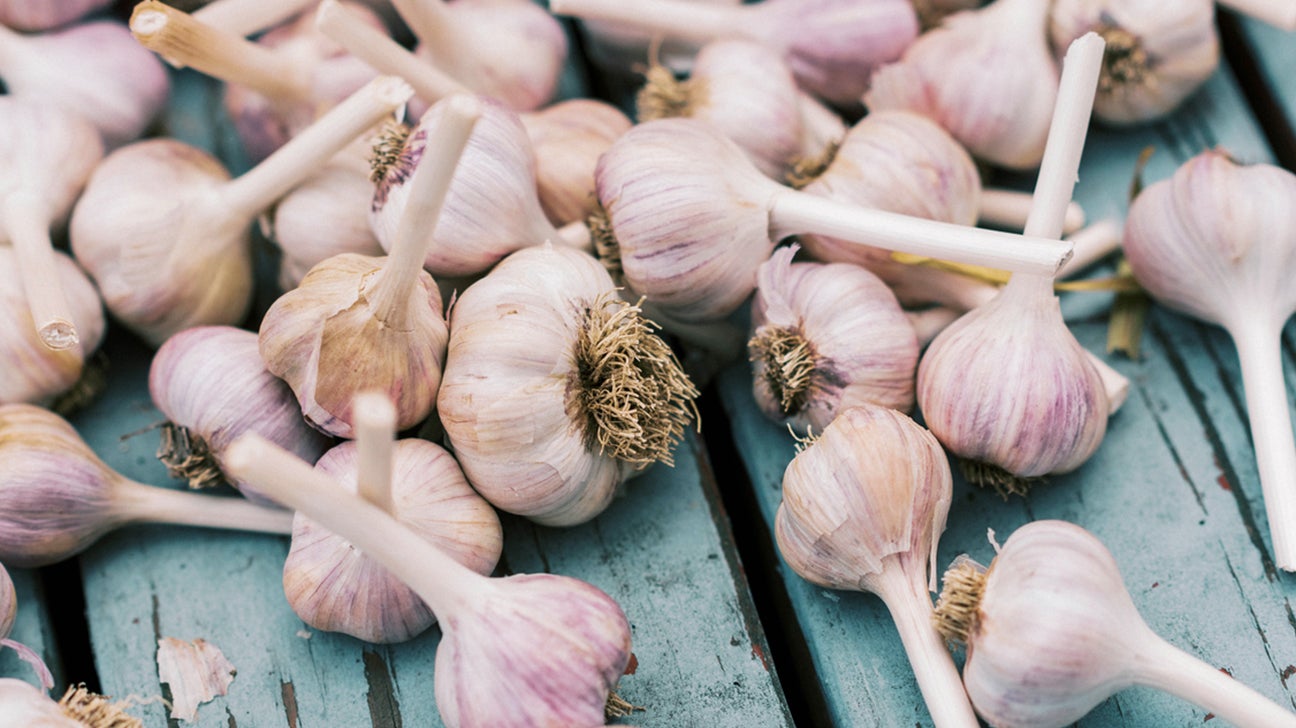
High blood pressure, medically known as hypertension, remains one of the most dangerous yet silent threats to human health. It is a leading cause of heart disease, stroke, and kidney failure—conditions that claim millions of lives worldwide each year.
While modern medicine provides effective drugs to control hypertension, traditional remedies continue to attract growing scientific attention. Among them, garlic (Allium sativum) stands out as one of nature’s most studied and respected solutions for maintaining healthy blood pressure.
The Power of Garlic in Hypertension
Garlic is far more than a kitchen staple—it is a powerful natural medicine. The secret behind its blood pressure–lowering ability lies in allicin, a sulfur compound released when garlic is chopped, crushed, or chewed.
Allicin works by relaxing and widening blood vessels, a process known as vasodilation, which allows blood to flow more easily. This reduces the strain on the heart and lowers both systolic and diastolic blood pressure.
According to multiple studies, regular garlic supplementation can lower systolic blood pressure by up to 8–9 mmHg and diastolic pressure by 5–6 mmHg—results comparable to some conventional medications.
How Garlic Works
Garlic’s effects are achieved through several biological mechanisms. It stimulates the production of nitric oxide and hydrogen sulfide, both of which play a key role in relaxing blood vessels. Additionally, garlic acts as a mild diuretic, helping the body expel excess sodium and water—two major contributors to high blood pressure.
These combined effects make garlic one of the few natural substances proven to improve vascular health while also supporting kidney function and circulation.
What the Research Says
Scientific studies continue to validate garlic’s role in cardiovascular health.
-
A 2010 clinical trial found that patients with uncontrolled hypertension who took 960 mg of aged garlic extract daily for 12 weeks saw their blood pressure drop by an average of 10 points.
-
Another study published in the Journal of Nutrition (2016) revealed that aged garlic extract helped reduce arterial plaque buildup, further protecting the heart.
Such evidence has led many researchers to classify garlic as one of the most effective natural adjuncts to medical therapy for hypertension.
Beyond Blood Pressure: Garlic’s Other Health Benefits
Garlic doesn’t stop at supporting blood pressure—it also helps regulate cholesterol levels, balances blood sugar, and reduces the risk of certain cancers.
Studies show that garlic can lower harmful LDL cholesterol while raising beneficial HDL cholesterol, making it a valuable ally for those managing diabetes or heart disease. Moreover, its sulfur-rich compounds—such as ajoene and S-allylcysteine—have demonstrated anti-cancer properties, inhibiting the growth of tumors in organs like the stomach, colon, and breast.
How to Use Garlic for Maximum Benefit
To get the best out of garlic, it’s important to use it correctly:
-
Raw and crushed garlic offers the highest concentration of allicin. Let it sit for a few minutes after chopping before eating or cooking.
-
For convenience, aged garlic extract supplements are available in capsules or tablets. A dosage of 600–1,200 mg daily is generally recommended for blood pressure support, but consultation with a healthcare professional is advised before starting any supplement.
Final Thoughts
Garlic’s reputation as a natural remedy is not folklore—it’s science-backed. Regular use of garlic can support heart health, enhance circulation, and naturally lower blood pressure.
However, experts caution that garlic should complement, not replace, prescribed medications. A balanced diet, regular exercise, and medical supervision remain essential for anyone living with hypertension.
In essence, garlic continues to prove that some of the most powerful medicines still grow in nature’s garden.

