By Geraldine Ohonba

For centuries, cultures around the world have relied on fermented foods — from tangy Korean kimchi to smooth, drinkable kefir — as part of daily diets long before science understood their benefits. Now, new research suggests these traditional staples could be the secret to a stronger immune system, a healthier gut, and even a reduced risk of chronic diseases, including cancer.
In recent years, fermented foods have made a remarkable comeback, with sales of products such as kefir, kombucha, and miso soaring across supermarkets and wellness stores. But doctors say this isn’t just another health craze — it’s backed by real science.
Fermentation occurs when bacteria or yeast naturally break down sugars, producing foods rich in probiotics — beneficial microorganisms that support digestion, balance gut flora, and strengthen the immune system. These living cultures help create a healthy gut microbiome — the community of trillions of bacteria that play a role in everything from nutrient absorption to mental health.
A 2025 study published in Frontiers in Nutrition confirmed that regular consumption of fermented foods improved bowel movement, reduced bloating, and supported better metabolic health. Another major review in 2022 linked fermented foods such as yogurt and kimchi to lower rates of inflammation and heart disease.
“Fermented foods introduce a wide range of live bacteria into the gut, helping digestion and reducing the risk of harmful bacteria dominating,” explained Dr. Sean Preston, a gastroenterologist at London Digestive Health. “Over time, this balance can even reduce the risk of certain cancers and chronic diseases.”
Homemade Over Store-Bought
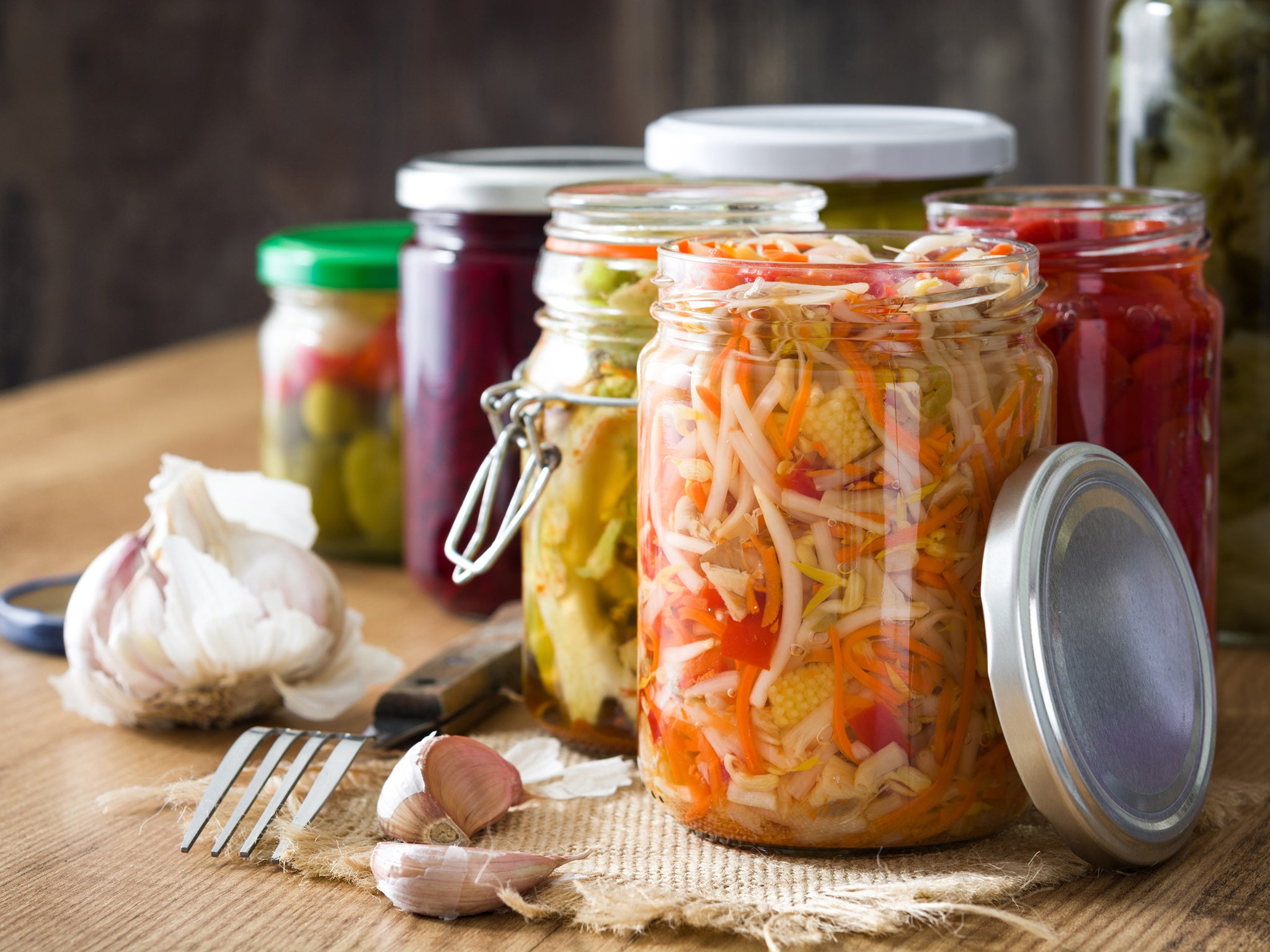
However, experts caution that not all products marketed as “fermented” deliver the same benefits. Many commercial pickles and jars use vinegar or heat-based preservation instead of natural fermentation, killing off the good bacteria.
To ensure you’re getting live cultures, look for labels that say “naturally fermented” or for signs of active bubbles in the liquid — evidence that healthy bacteria are still alive. Avoid products with added sugars or preservatives, as they can interfere with the natural fermentation process.
Ancient Foods with Modern Benefits
-
Kefir – A tangy, yogurt-like drink made from fermented milk and kefir grains, it’s loaded with beneficial bacteria and nutrients. Studies suggest it supports brain function, improves immunity, and can even reduce inflammation in the body.
-
Kimchi – Korea’s spicy fermented cabbage dish is packed with probiotics and antioxidants. Research shows that regular kimchi eaters have lower body fat, stronger immunity, and better heart health.
-
Kombucha – This fizzy fermented tea has become a wellness favorite. Made using a SCOBY (a symbiotic culture of bacteria and yeast), it contains organic acids and probiotics that help detoxify the body and improve gut balance.
-
Miso – A staple of Japanese cuisine, miso is made from soybeans fermented with koji. It’s high in protein, minerals, and antioxidants, helping to reduce inflammation and support digestion.
-
Sauerkraut – A simple mix of cabbage and salt, sauerkraut is rich in fiber, vitamin C, and gut-friendly bacteria. Regular servings can boost immunity and support healthy digestion.
A Billion-Dollar Health Trend
With the global fermented foods market now valued at over £67 billion, experts predict it could grow fivefold by 2035 as more consumers seek natural ways to improve their health.
Still, Dr. Preston reminds that balance is key: “You don’t need to overhaul your entire diet. Just introducing small amounts of fermented foods — a spoonful of kimchi here, a glass of kefir there — can make a real difference over time.”
As science continues to uncover the link between the gut and overall wellbeing, these age-old foods might just be the modern-day prescription for better health — proof that sometimes, the best innovations are the oldest ones.