

Tech News Assistant Editor
Tez Mukamba
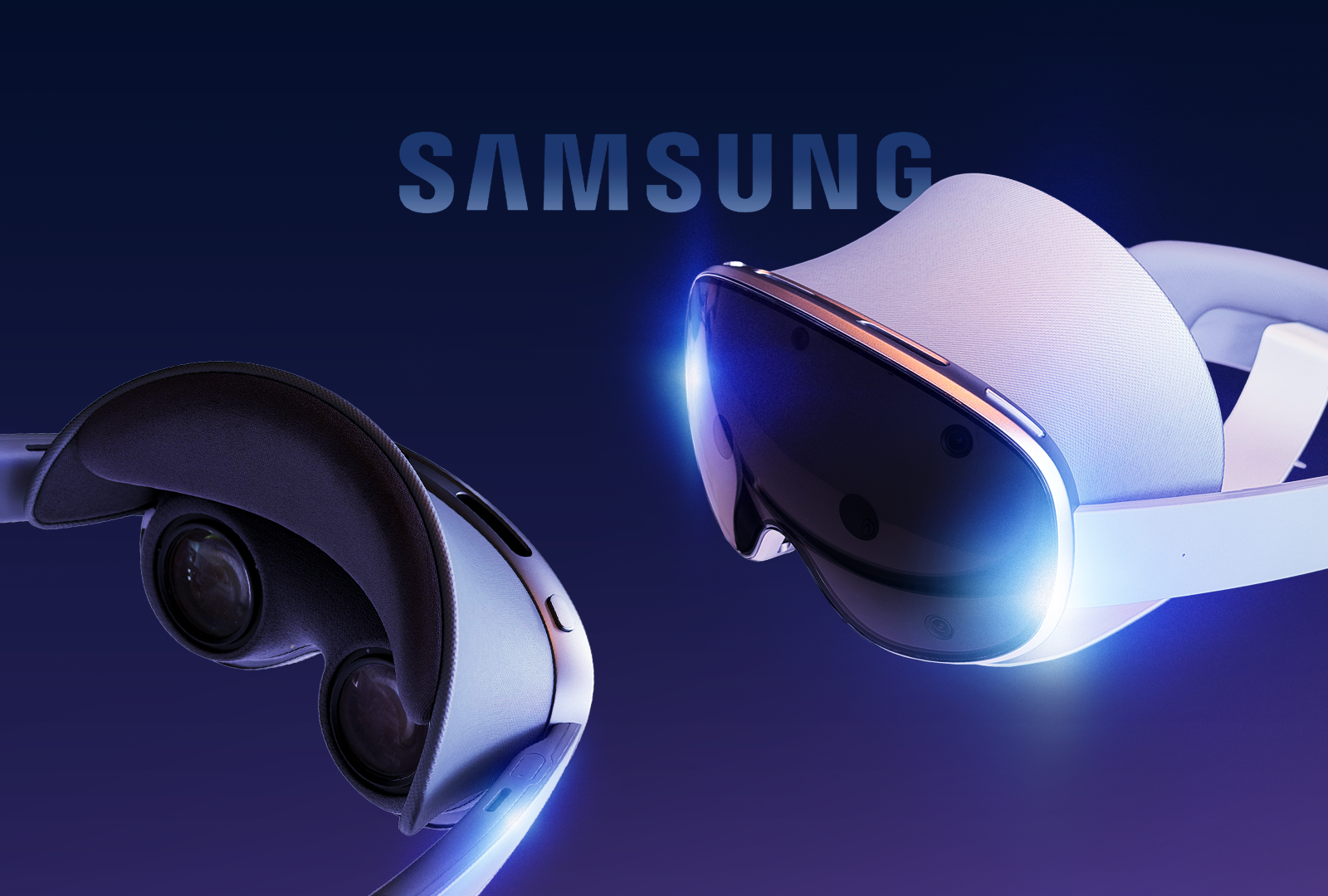
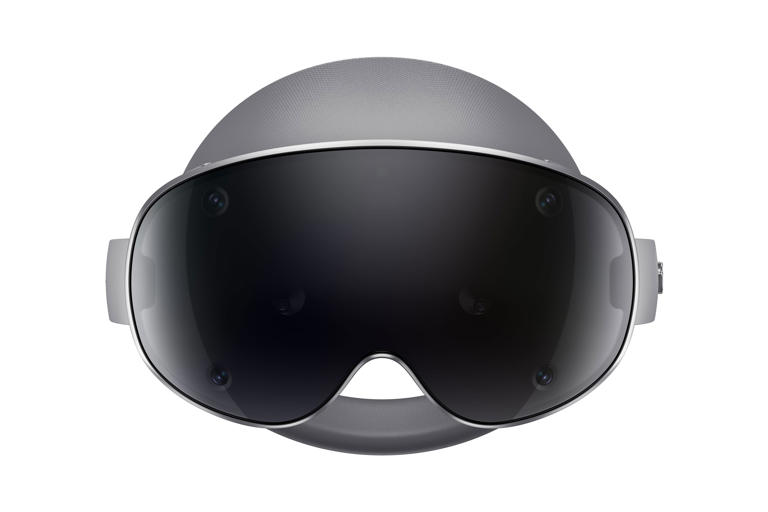
Samsung Electronics has officially entered the high-stakes world of extended reality with the launch of its much-anticipated ‘Galaxy XR’ headset, a device designed to merge the real and virtual worlds in unprecedented ways. Released simultaneously in South Korea and the United States on October 22, the Galaxy XR represents Samsung’s most ambitious foray into immersive technology — a move poised to challenge tech giants Meta and Apple for dominance in the next era of computing.
A New Dimension of Digital Experience
At Samsung’s exhibition hall in Seocho-gu, Seoul, journalists were invited to test the futuristic headset firsthand. Upon donning the Galaxy XR, a simple voice command — “Gemini, guide me to Manhattan, New York” — instantly transported the wearer into a vivid aerial view of Manhattan’s skyline. When asked to locate a nearby pizzeria, the AI-powered system pulled up Google Maps, displayed restaurants in real time, and even showcased the menu and interior ambiance — all in a fully interactive, immersive space.
From navigating city streets to attending a virtual K-pop concert on YouTube, the Galaxy XR seamlessly blends the physical and digital worlds. It’s a clear sign that Samsung is reimagining how users experience entertainment, productivity, and communication in the age of spatial computing.
Built on Partnership: Samsung, Google, and Qualcomm Join Forces
The Galaxy XR marks Samsung’s first high-performance XR device, developed through a powerful collaboration with Google and Qualcomm. It’s equipped with Qualcomm’s Snapdragon XR2+ Gen 2 chipset, acting as the device’s central brain. The headset’s precision sensors track eye movement, hand gestures, and spatial environments, allowing users to navigate apps, interfaces, and menus effortlessly — no controllers required.
Weighing just 545 grams, the Galaxy XR is significantly lighter than Apple’s Vision Pro, which weighs around 800 grams. Samsung also undercuts Apple in pricing, with a starting price of ₩2,690,000 (approximately $1,950) — nearly half of the Vision Pro’s ₩4,990,000 (around $3,600).
The device features a 4K micro-OLED display, offering crystal-clear visuals that make virtual environments feel strikingly real. But Samsung’s real innovation lies not only in the hardware — it’s in the software ecosystem driving the experience.
Powered by Android XR and AI Integration
Samsung emphasized that the Galaxy XR is the first device powered by Android XR, a new operating system specifically designed for extended reality environments. Unlike Apple’s closed VisionOS, which excludes apps like YouTube and Netflix, Android XR supports the full range of Google Play Store apps, allowing users to access their favorite Android applications — from Google Maps to YouTube and Google Photos — directly within the XR environment.
In partnership with Naver’s streaming platform Chzzk, Samsung is also releasing exclusive XR content, with plans to expand collaborations globally with partners like Adobe, the MLB, and the NBA, bringing sports, creativity, and entertainment to life in 3D spaces.
Central to this innovation is Gemini, Google’s advanced AI model integrated directly into the headset. Gemini recognizes what the user sees and hears, enabling real-time assistance. By simply calling out “Gemini,” users can ask questions, receive directions, or get contextual information about objects in their view. A new feature called “Circle to Search” lets users circle real-world items in their XR field to instantly pull up details online — a futuristic evolution of how we interact with information.
Competition Heats Up: Samsung Enters the XR Race
The global XR device market is currently dominated by Meta’s Quest 3, which commands about 71% of global market share, followed by Apple’s Vision Pro at around 4%. Meta’s affordable pricing and accessibility have fueled its dominance, but Samsung’s entry could dramatically reshape the landscape.
Coinciding with Samsung’s launch, Apple introduced its Vision Pro M5, signaling that the battle for XR supremacy is intensifying. Yet Samsung’s advantage lies in its ecosystem strategy — integrating Android, Galaxy smartphones, wearables, and AI into one connected experience.
“XR is the next evolution of mobile computing,” said Kim Jung-hyun, Head of Customer Experience at Samsung’s MX Division. “As the boundaries between devices blur, we see XR as a bridge to the next generation of smart technology.”
The Future: From Headsets to Smart Glasses
Beyond the Galaxy XR, Samsung is already looking ahead. The company has confirmed an ongoing partnership with Google to develop next-generation smart glasses, signaling its intent to dominate the next wave of wearable computing.
Following Meta’s recent debut of the Meta Ray-Ban Displays, Samsung aims to compete by collaborating with leading eyewear brands such as Gentle Monster and Warby Parker to design sleek, fashion-forward smart glasses that merge everyday style with powerful AR capabilities.
“Considering the expandability of form factors, we will continue to evolve on the smart glasses platform,” Kim said, suggesting that Samsung’s XR vision goes far beyond entertainment — it’s about redefining human interaction with technology itself.
A New Chapter for Samsung and Spatial Computing
The unveiling of the Galaxy XR underscores Samsung’s ambition to lead in the emerging XR market, where virtual, augmented, and mixed realities converge. With its AI integration, advanced optics, and open ecosystem, the device represents more than a new gadget — it’s a glimpse into the next era of digital living.
In a world rapidly transitioning from screens to spatial experiences, Samsung’s message is clear: the future isn’t on your phone — it’s all around you.

