

By John Umeh
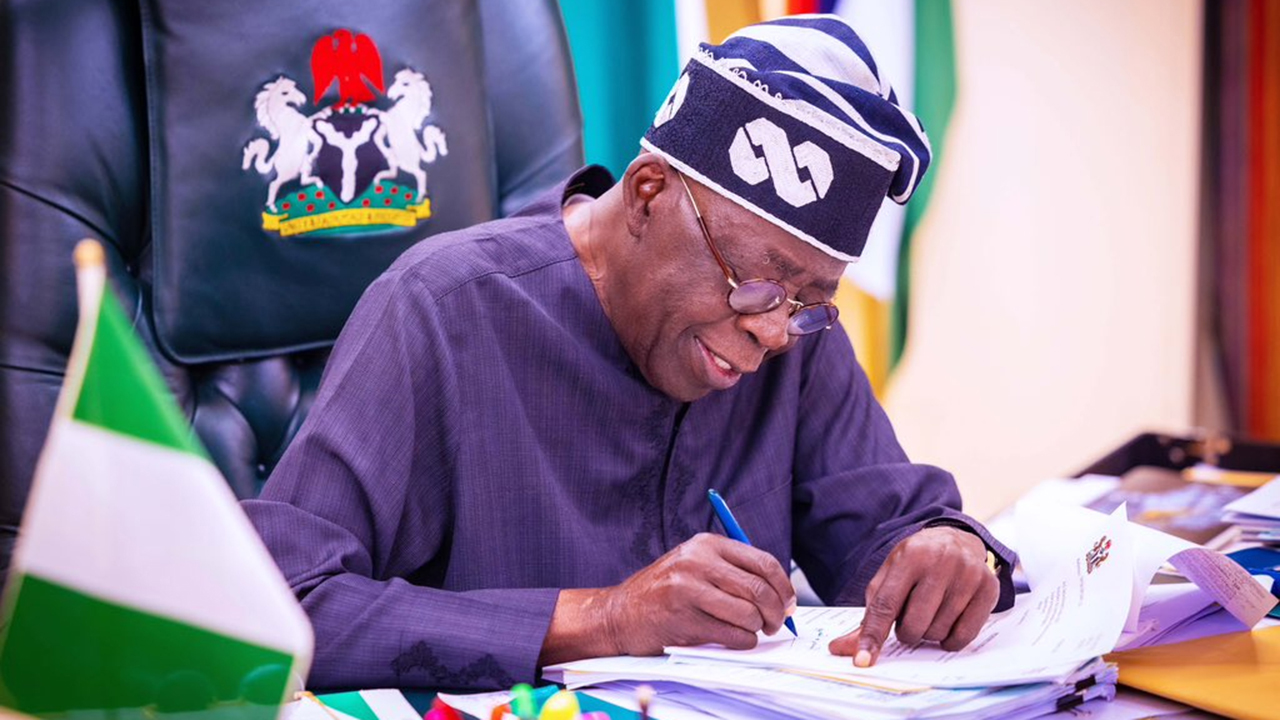
In a decisive move aimed at boosting Nigeria’s fiscal stability and driving infrastructure growth, the Senate has approved President Bola Ahmed Tinubu’s request to obtain $2.847 billion in new foreign loans, including a $500 million Sovereign Sukuk, to finance key aspects of the 2025 budget deficit and refinance maturing Eurobonds.
The upper legislative chamber gave its approval during Wednesday’s plenary after considering the report of the Senate Committee on Local and Foreign Debts, chaired by Senator Wamakko Magatarkada Aliyu (APC, Sokoto North). The report reviewed the president’s formal request titled “New External Borrowing and Refinancing Plan.”
Loan Breakdown and Purpose
According to the approved plan:
-
$2.347 billion will be raised from the international capital market to help close the 2025 budget gap.
-
$500 million will be secured through a debut Sovereign Sukuk — a Sharia-compliant financial instrument — dedicated to financing strategic infrastructure projects across the country, such as roads, power facilities, and housing.
This new borrowing framework forms part of the federal government’s fiscal strategy to fund critical national projects while maintaining Nigeria’s international creditworthiness.
Debt Concerns and Fiscal Strategy
The Senate’s endorsement comes at a time of heightened public concern about Nigeria’s debt profile, which has reportedly surged to over ₦97 trillion as of mid-2025, according to the Debt Management Office (DMO).
While critics warn that the country risks sliding into deeper debt distress, government officials and legislators insist that “responsible borrowing” remains a vital component of the Tinubu administration’s economic recovery and infrastructure renewal plan.
Senator Wamakko, while presenting the committee’s findings, said the borrowing initiative was essential for “economic stability, project continuity, and sustaining Nigeria’s global financial reputation.”
He added:
“The plan ensures that Nigeria meets its 2025 funding needs without derailing ongoing fiscal commitments or jeopardizing future economic sustainability.”
Senators Back Borrowing for Growth
Several senators spoke in favor of the approval, highlighting the necessity of the loans for national development.
Senator Sani Musa (APC, Niger East), Chairman of the Senate Committee on Finance, stressed that the borrowing request was indispensable for the effective implementation of the 2025 Appropriation Act.
“We must give approval to this request so that the 2025 budget will be adequately funded,” he said.
Similarly, Senator Adetokunbo Abiru (APC, Lagos East), who chairs the Senate Committee on Banking, Insurance and Other Financial Institutions, clarified that the new loans were not additional debt burdens but rather budgetary compliance and refinancing measures.
“This is more of a compliance issue,” Abiru explained. “The 2025 Appropriation Act has already captured it as part of deficit financing. The second request is simply to refinance Eurobonds to avoid default.”
Oshiomhole: Borrowing Can Drive Economic Growth
Backing the motion, Senator Adams Oshiomhole (APC, Edo North), Chairman of the Senate Committee on Interior, defended the borrowing decision, noting that loans could serve as catalysts for national development if properly managed.
“There’s nothing wrong with borrowing if it is structured responsibly and used to fix critical issues such as unemployment, infrastructure, and industrial development,” he argued.
Tinubu’s Economic Direction
The approval signifies another key step in President Tinubu’s broader fiscal reform agenda aimed at strengthening Nigeria’s economic base ahead of the 2025 financial year.
The administration has maintained that its borrowing plans are targeted, strategic, and transparent, prioritizing projects that can stimulate growth and attract private sector investment.
As Nigeria continues to grapple with dwindling oil revenues, high debt-servicing costs, and inflationary pressures, the Tinubu government insists that a combination of strategic borrowing, fiscal discipline, and public-private partnerships will be critical to bridging the nation’s infrastructure deficit.
With the Senate’s nod, the $2.8 billion borrowing plan and $500 million Sukuk bond will now move to the implementation stage under the supervision of the Federal Ministry of Finance, the DMO, and relevant government agencies.
The development underscores the administration’s resolve to sustain fiscal stability while balancing growth with debt sustainability — a challenge that continues to define Nigeria’s economic policy landscape.

