

By John Umeh
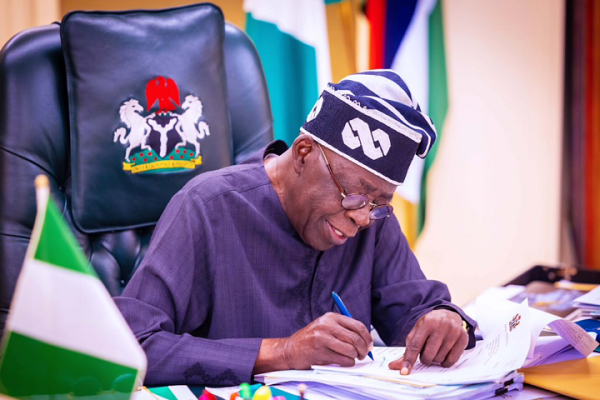
Nigerians may soon experience another increase in fuel prices following President Bola Tinubu’s approval of a 15 percent ad-valorem import duty on diesel and premium motor spirit (PMS), popularly known as petrol.
The directive, which is expected to take immediate effect, was communicated in a letter dated October 21, 2025, and signed by Damilotun Aderemi, the President’s Private Secretary. The correspondence was addressed to the Federal Inland Revenue Service (FIRS) and the Nigerian Midstream and Downstream Petroleum Regulatory Authority (NMDPRA).
According to the document, the move aligns with the Federal Government’s plan to harmonize import-related costs and ensure a more sustainable revenue framework. The FIRS had earlier requested approval to apply the 15 percent duty on the cost, insurance, and freight (CIF) value of imported petroleum products, a proposal the President has now endorsed.
Economic analysts warn that the new duty could push petrol prices up by as much as ₦99.72 per litre, deepening the burden on households already grappling with high living costs. The development comes at a time when inflation and energy costs have reached historic highs, further straining the purchasing power of citizens.
In response to the announcement, the Nigerian National Petroleum Company Limited (NNPCL) revealed that it has begun a comprehensive review and rehabilitation of the country’s three major refineries in Port Harcourt, Warri, and Kaduna. The initiative aims to reduce Nigeria’s reliance on imported fuel and stabilize domestic supply in the long term.
However, stakeholders fear that the new policy may trigger an immediate surge in transportation and commodity prices nationwide. Labour unions and civil society groups have already expressed concern, calling on the Federal Government to reconsider the decision and prioritize local refining capacity before imposing additional duties on imported fuel.
As the nation braces for potential price adjustments at the pump, many Nigerians are questioning the timing of the policy, especially amid growing public frustration over the rising cost of living and stagnant wages.

