By Gloria Nosa
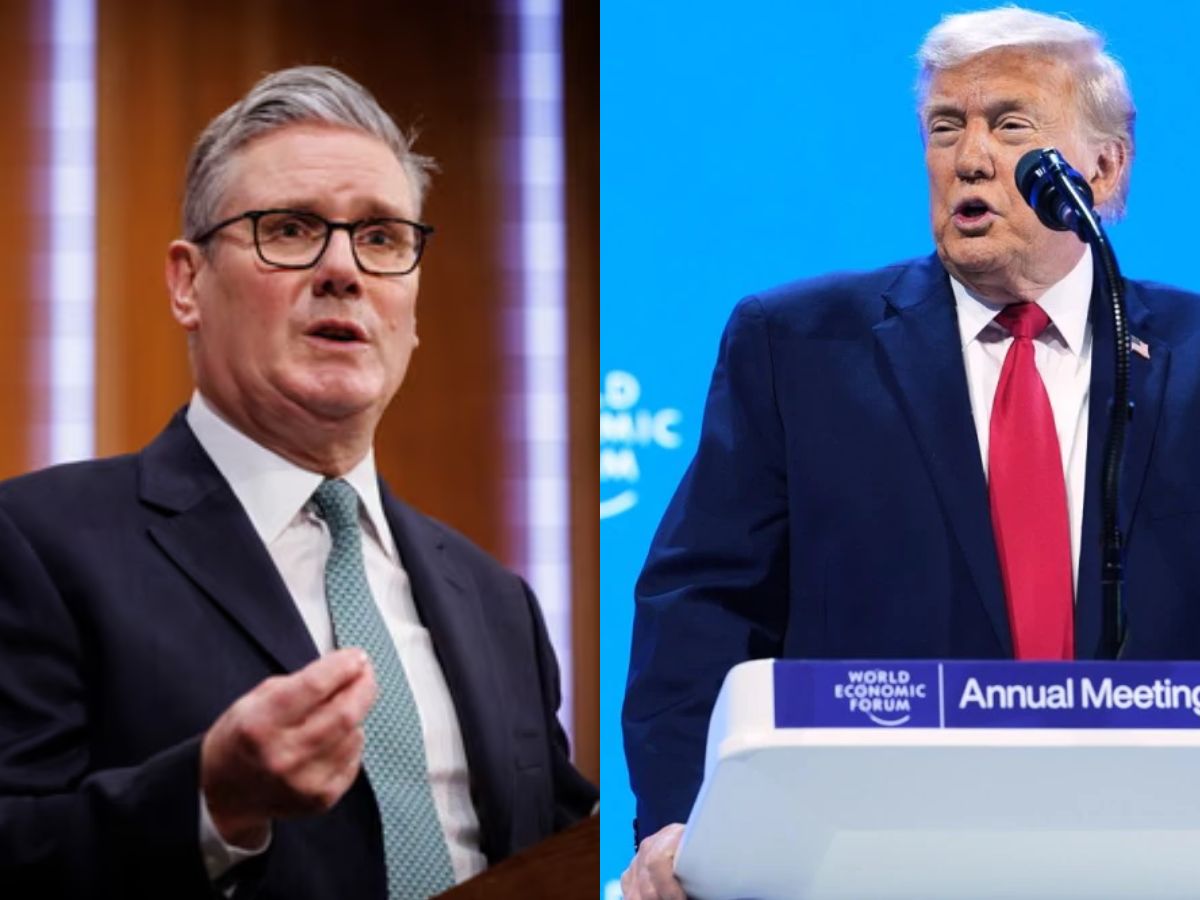
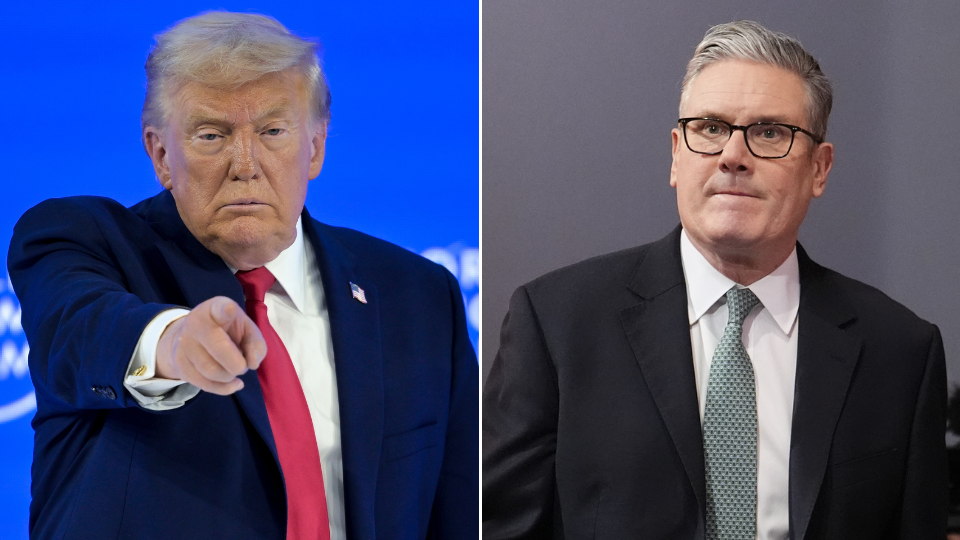
UK Prime Minister Keir Starmer has strongly condemned remarks made by former US President Donald Trump suggesting that non-American NATO forces avoided frontline combat during the Afghanistan war, calling the comments “insulting” and deeply offensive to allied troops and their families.
Trump made the claims during an interview with Fox News at the World Economic Forum in Davos, where he argued that the United States had “never needed” NATO and alleged that allied soldiers remained “a little off the front lines” throughout the conflict in Afghanistan.
Starmer firmly rejected the assertion, stressing that British and other NATO forces bore heavy losses during the two-decade war. He noted that 457 British service members were killed, with many more suffering life-changing injuries while serving alongside US troops.
Describing Trump’s remarks as “insulting and frankly appalling,” the prime minister said they had caused genuine distress to families who lost loved ones or whose relatives returned home wounded.
Starmer added that such comments undermine the sacrifices made by allied forces and said an apology would be the appropriate response.
“If I had spoken in those terms or used those words, I would certainly apologise,” he said.
The Afghanistan war began in 2001 after the September 11 attacks on the United States, when NATO invoked Article 5 — its collective defence clause — for the first time in the alliance’s history. Troops from the UK, Canada, Germany, France and other NATO countries played significant roles in combat operations, counter-terrorism efforts and stabilisation missions.
British forces were heavily involved in some of the most dangerous areas, particularly Helmand Province, where they fought intense battles against Taliban insurgents alongside American troops. Across the alliance, thousands of NATO personnel were killed or wounded during the mission, highlighting the scale and depth of non-US involvement in the conflict.
Starmer’s comments reflect growing concern among UK officials over rhetoric that they say diminishes the contribution and sacrifice of NATO allies during one of the longest wars in modern history.