

By Sport Analyst
Emmanuel Afonja
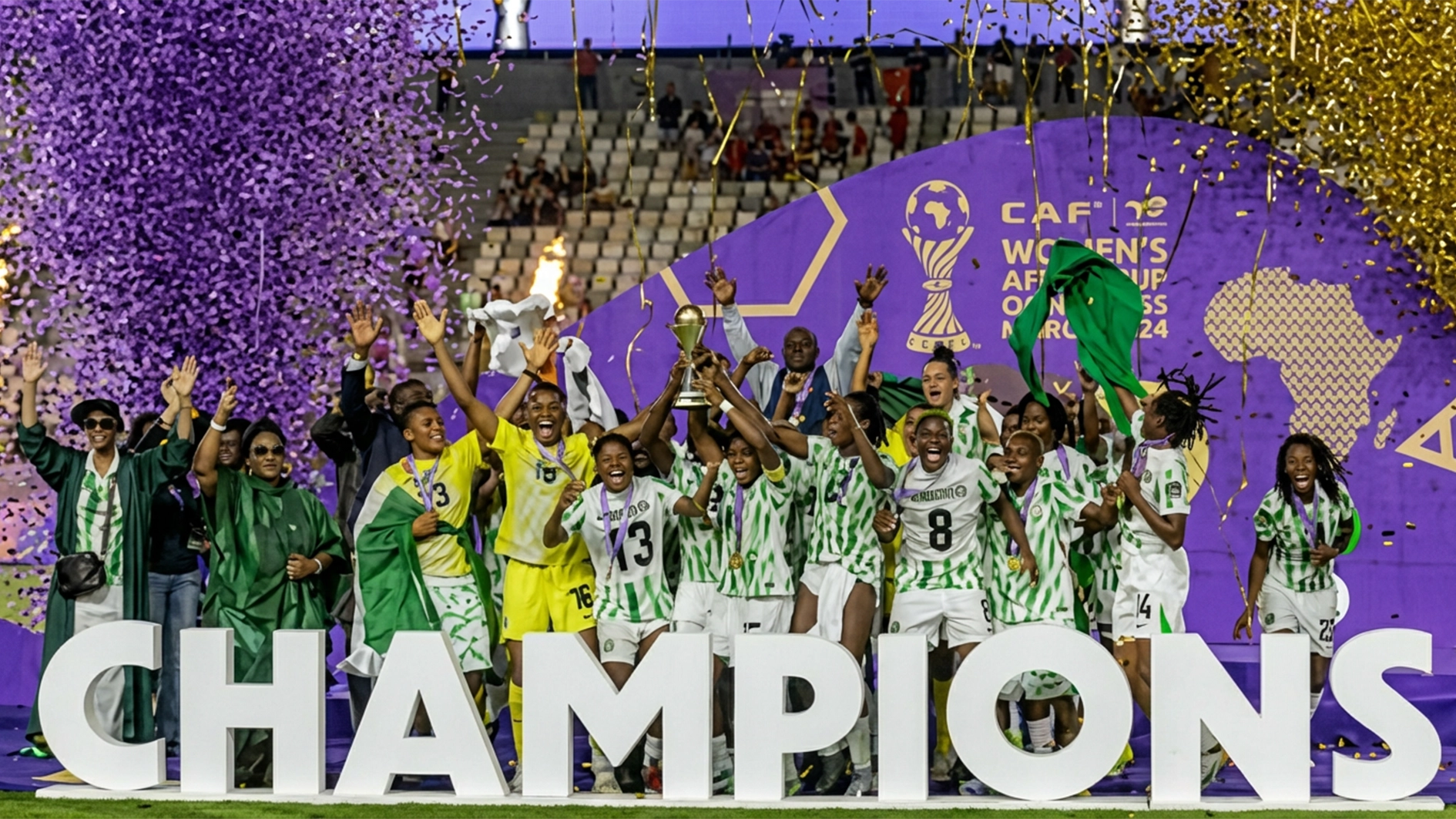
South Africa is set to emerge as the new host nation for the 2026 Women’s Africa Cup of Nations (WAFCON) after Morocco reportedly stepped aside barely two months before the tournament’s opening match.
The continental women’s championship is scheduled to take place between March 17 and April 3, 2026, under a shortened calendar necessitated by the disruption of the 2024 edition, which clashed with global sporting commitments, including the Paris Olympic Games.
Confirmation of South Africa’s takeover came late Sunday evening when Deputy Minister of Sport, Arts and Culture, Peace Mabe, disclosed that the hosting rights had been transferred to the Southern African nation.
Mabe made the announcement during the Super League Awards ceremony in Johannesburg, stating that arrangements had been concluded for South Africa to assume responsibility for staging the competition at short notice.
“I am pleased to confirm that South Africa will host the 2026 Women’s Africa Cup of Nations, which also serves as Africa’s qualifying tournament for the 2027 FIFA Women’s World Cup in Brazil,” she said.
Morocco’s sudden withdrawal has raised eyebrows across the football community, particularly as the country recently hosted the men’s Africa Cup of Nations. Neither Moroccan authorities nor the Confederation of African Football (CAF) have publicly outlined the reasons behind the decision.
However, speculation suggests the move may be linked to internal pressures following a tense AFCON final in Rabat, where Morocco fell short against Senegal. The aftermath of that match reportedly triggered criticism, disciplinary issues, and heightened scrutiny, possibly influencing the decision to temporarily step away from hosting further major CAF events.
The 2026 WAFCON will feature a 16-team expanded format, but it remains uncertain whether the original match dates will be adjusted following the late change in host nation.
While the timeline presents a significant organisational challenge, South Africa brings proven experience to the table. The country successfully hosted and won the 2022 WAFCON, with Banyana Banyana claiming their first continental title in front of home supporters.
Beyond the trophy, the stakes for the 2026 edition are especially high. The tournament doubles as Africa’s qualification route to the 2027 FIFA Women’s World Cup, with the four semi-finalists earning automatic tickets. Two additional African representatives will be determined through inter-confederation play-offs involving the quarter-finalists who fail to reach the semis.
As preparations begin in earnest, attention now turns to CAF’s official confirmation and the readiness of South Africa to once again deliver Africa’s flagship women’s football event on short notice.

