

By John Umeh
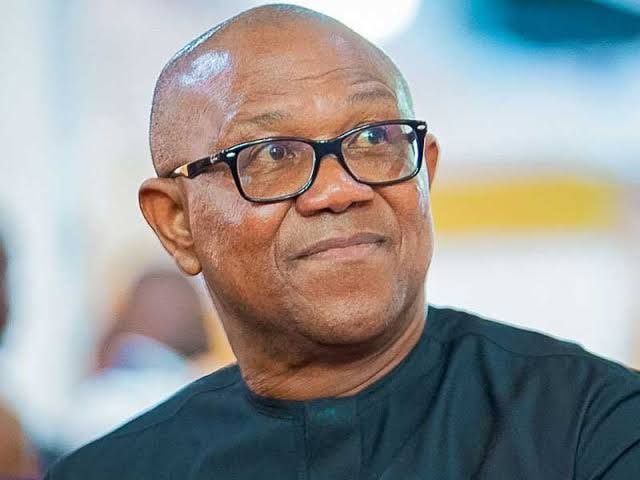
Former presidential candidate Peter Obi has pushed back strongly against claims that parts of Nigeria lack the network capacity required for electronic transmission of election results, insisting that such arguments can no longer justify delays in electoral reform.
Obi’s comments come amid renewed public pressure for the compulsory electronic transmission of results, following remarks by Senate President Godswill Akpabio suggesting that real-time transmission may be impractical in some states due to insecurity and network disruptions.
Speaking at the presentation of a book titled The Burden of Legislators in Nigeria, written by former senator Effiong Bob, Akpabio argued that real-time transmission could create legal and logistical challenges. He claimed that network outages in several states could render results invalid if strict real-time requirements were enforced.
According to the Senate President, “In more than nine states, network services are disrupted because of insecurity. If results are required to be transmitted in real time and the network is down, then elections in those areas may not produce valid outcomes. Even nationally, if there is a network failure, the results could be challenged.”
He explained that lawmakers only proposed removing the phrase “real time” from the provision to avoid legal complications, adding that the responsibility for determining how results are transmitted should rest with the Independent National Electoral Commission (INEC).
However, Obi dismissed the argument, describing it as outdated and unconvincing. In a post on his official X (formerly Twitter) account, the former Anambra State governor noted that Nigeria’s banking and financial systems rely on digital networks to operate daily across the country, even in challenging environments.
Obi made the remarks a day after participating in a peaceful protest at the National Assembly, where demonstrators demanded sweeping electoral reforms aimed at restoring public confidence in the voting process.
“Our demands are straightforward and cannot be compromised,” Obi wrote. “Anyone seeking public office must emerge through a process that is transparent, credible, and honourable. Aspirants should present verifiable educational records and meet all constitutional requirements, including age and qualifications.”
He further argued that candidates must subject themselves to open campaigns, debates, and public scrutiny as required by law, stressing that credible elections go beyond eligibility alone.
“Above all, election results must be transmitted electronically and promptly to safeguard the will of the people and prevent manipulation,” he stated.
Addressing the issue of network coverage, Obi said claims that some states lack connectivity are no longer acceptable in a country where digital banking functions nationwide.
“Financial institutions process transactions and collect taxes every day through secure electronic platforms across Nigeria. If our banking system can function nationwide, then our electoral process should not be an exception,” he said.
The former presidential candidate urged Nigeria to move away from practices that undermine its status as Africa’s largest democracy and instead set an example through credible governance, beginning with transparent elections.
He also called on young Nigerians to sustain their advocacy for reform, urging them not to lose momentum.
“We owe the younger generation a country founded on order, justice, and trust, not one plagued by impunity. I encourage our youth to remain committed and persistent until the right reforms are achieved,” Obi said.
Reaffirming his long-standing message, he added: “I remain fully committed to the vision of a New Nigeria—one that is achievable and inevitable if we stand together and take action.”

